

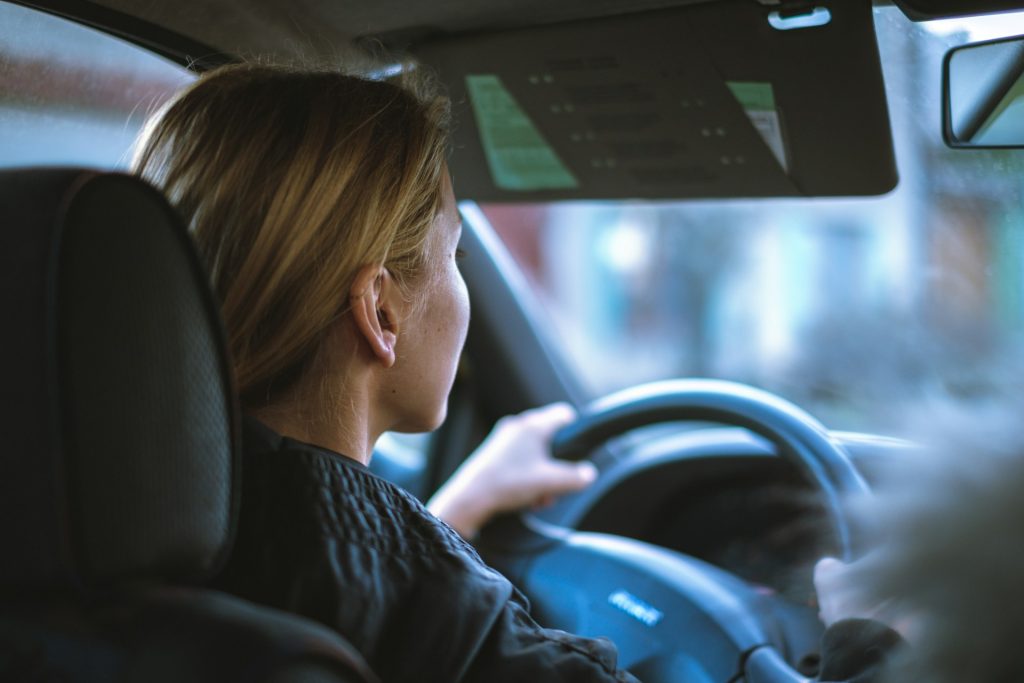
A test drive is one of the most important parts of buying a used car from a private party. It’s your chance to make sure the car runs smoothly, feels good to drive, and matches what the seller said. But beyond testing the vehicle, there’s another thing to keep top of mind—your safety.
Meeting up with someone you don’t know and getting into a car can put you at risk if you’re not prepared. Having a clear plan makes a big difference. The better prepared you are, the more confident and in control you’ll feel. Whether you’re driving the car or accompanying someone who is, following some common-sense steps helps everything go smoother and safer.
Choosing The Right Location
Where you choose to meet matters more than you might think. Always set the meeting in a public place with good visibility. Quiet back roads or empty lots might seem convenient, but they leave you vulnerable if something goes wrong.
Safer options tend to include:
– Grocery store parking lots during business hours
– Bank parking areas when the bank is open
– Gas stations with exterior lighting and cameras
– Police stations that provide safe-exchange zones
If there’s a location with video surveillance nearby, pick that over something less secure. Many communities now have spaces that were made with in-person transactions in mind, such as areas near city buildings or police departments. These places are often watched by cameras and have clear signage to let people know they’re meant for safe meetups.
Avoid meeting after dark, especially during the fall and winter months. Daylight is your friend, giving both parties a better chance to feel secure and properly check the car’s condition. The car’s appearance is easier to evaluate, and you’re less likely to miss a red flag when things are well-lit.
A well-thought-out location puts both the buyer and the seller at ease. It shows both parties take the situation seriously and are looking to make the exchange as professional and safe as possible.
Preparing For The Test Drive
Once you’ve agreed on a good meeting location, the next step is getting yourself ready for the test drive itself. A little preparation can help prevent misunderstandings and reduce risk.
Here are a few things to handle before anyone gets behind the wheel:
- Bring someone with you
Having a friend or family member tag along provides backup in case something feels off. They can stay nearby, ride along, or be on standby through a phone check-in. Two sets of eyes are always better than one.
- Ask to see a valid driver’s license
If you’re letting someone test drive your car, always ask for ID. You want to make sure the person driving is who they say they are and that their license is valid.
- Confirm insurance coverage
Ask if the other person has valid auto insurance, especially if they’ll be the one driving. Even a short test drive can result in accidental damage, and it helps to know where coverage would come from if something happens.
- Pick a short, simple route
Plan a drive that lasts about 10 to 15 minutes. Stick to roads you know. This makes it easier to get back quickly and lets you point out features or road performance elements without thinking about directions.
- Remove personal belongings
Take out anything valuable or personal from the car before the test drive. This includes papers, mail, or small electronics. Even if you’re staying in the vehicle, it’s best to limit risks and distractions.
Being ready shows clarity and seriousness about the deal. It keeps meetings from feeling rushed, and both sides can focus on assessing the car. When expectations are clear and the car is ready for showing, it creates a better environment.
During The Test Drive
Whether you’re the buyer or the seller, safety remains important throughout the actual drive. It’s easy to let your guard down once the key is in the ignition, but you still need to stay alert.
If you’re a seller, ride along. Never hand over your keys and let a stranger drive off alone. That removes your control over the situation. Being in the car gives you the chance to answer questions and monitor how the vehicle is being treated.
Don’t leave valuables inside the vehicle, and that goes for both parties. Carry your bags, phones, or paperwork with you at all times. If you’re the driver, treat the car with care, like it was already yours.
Keep the conversation friendly but stay focused. Engage with the other person naturally, but pay attention to what they say. Real buyers tend to ask about service history, fuel economy, or how the car handles. If the person rushing the process, skipping questions, or acting distracted, take note. Those are warning signs.
Stick to your planned route. This isn’t the time for scenic detours or special pit stops. Whether you’re driving or riding along, keeping things simple helps avoid confusion and puts everyone at ease.
One seller once agreed to a test drive but did not clearly limit the route. The buyer took the car to an unfamiliar area and started speeding. Within minutes, the seller ended the drive. No sale happened. Lessons like that are reminders to stay observant and protect your own limits.
Post-Drive Safety Measures
Once the engine is off and the drive is completed, your job isn’t finished yet. Now’s a good time to pause and take care of the final safety checks before moving forward with a sale.
Here’s what to consider:
– Politely ask to take a photo of the buyer’s driver’s license (with permission)
– Note the license plate number of the vehicle they arrived in
– Send a message to someone you trust to let them know everything went okay
– Meet in a public area for any cash or app-based payments
Don’t rush into the payment process. Count the money carefully, whether it’s cash or a payment made through an app. Only hand over the keys once the funds clear in your account.
Trust your instincts. If something feels off after the test drive, it’s okay to walk away. Completing a test drive doesn’t mean you’re committed to the sale. No deal is worth putting your safety at risk.
How Safety Strengthens the Sale
There’s a lot that goes into meeting someone for a test drive, especially when buying a used car from a private party. But those steps help create a safer process that works out better for everyone.
Choosing a busy, monitored location, bringing a buddy along, checking license and insurance, keeping valuables out of view, and being aware during the meeting—all of these are simple steps that help you stay in control.
Both sides benefit from a safe and smooth meetup. A seller feels better knowing their vehicle is in respectful hands, and a buyer gets the clarity they need to make a smart decision. Clear communication, set expectations, and staying prepared make all the difference.
When both parties take safety seriously, it usually means they are taking the deal seriously too. That helps build trust, which leads to better outcomes—and fewer problems.
Whether you’re just starting to explore or ready to close the deal, navigating the process of buying used car from private party transactions doesn’t have to be stressful. At PrivateAuto, we make the experience smooth, secure, and simple for both buyers and sellers.
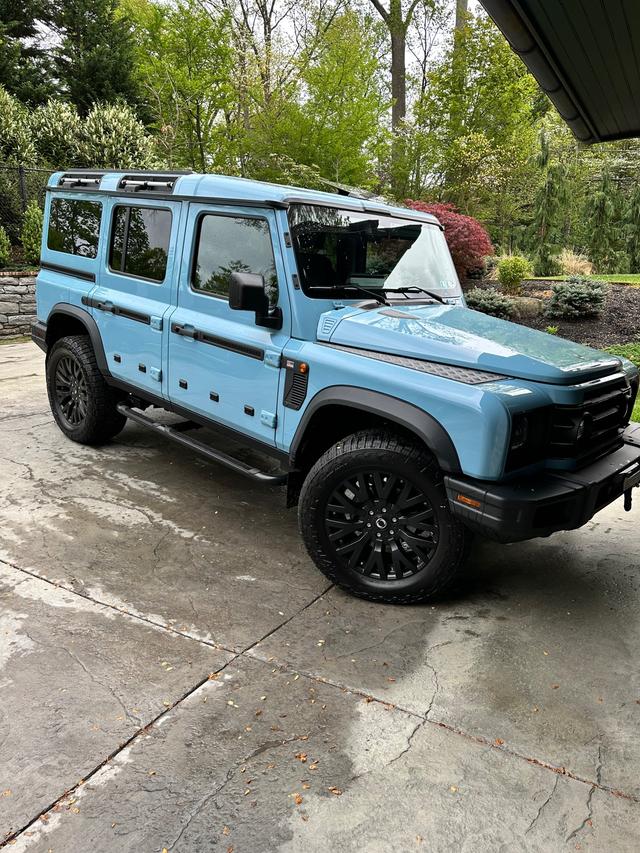
2024 INEOS Grenadier
Base • 3,300 miles
Ardmore, PA
$75,000

2024 INEOS Grenadier
Base • 4,200 miles
Bedford, VA
$74,000
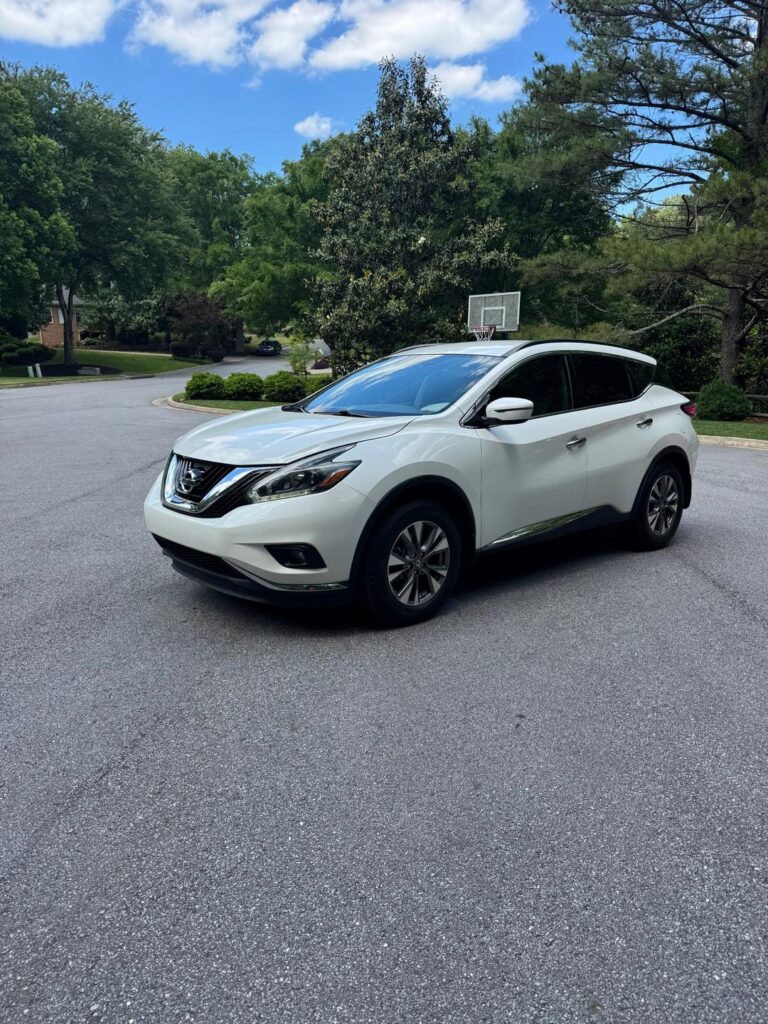
2018 Nissan Murano
Platinum • 78,500 miles
Atlanta, GA
$15,750
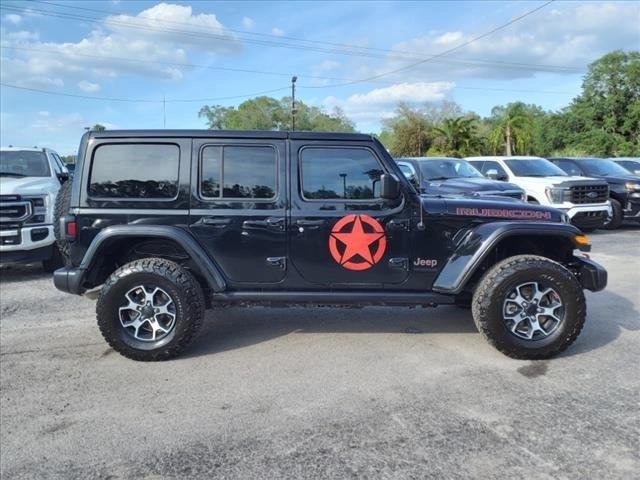
2022 Jeep Wrangler
Unlimited Ru • 41,235 miles
Ormond Beach, FL