

Selling a car to someone privately can be a smart move when you’re looking to get the most value. But meeting a stranger to close that deal comes with some risks. You’re not just selling a car, you’re also allowing someone into your world for a short time, so keeping the entire exchange safe and smooth should be part of your plan.
Plenty of deals go well when both sides are careful. Still, there are a few steps sellers often forget when setting up in-person meetings. Picking the wrong place or rushing into a test drive without vetting the buyer can get uncomfortable fast. Preparing ahead of time is the best way to get your car sold without unwanted stress. Here are some straight-to-the-point steps to help you stay in control during a private car sale.
Preparing For The Meeting
One of the easiest ways to help things go well is by picking the right location and time for your meet-up. It might feel convenient to have a buyer swing by your house, but it’s not always wise if you’ve never met before. Think through the plan, and don’t be afraid to say no if something feels off.
Here are steps to follow when setting up the meeting:
- Pick a public spot
Look for parking lots near banks, grocery stores, or police departments. These areas usually have security cameras or steady foot traffic. You want to avoid remote spots, empty parks, or quiet neighborhoods.
- Schedule during daylight
Meeting after dark adds confusion and increases risk. It’s easier to inspect a car, exchange paperwork, and talk through details when the sun’s out. Late morning or early afternoon usually works for most people.
- Let someone know the plan
Give a friend or family member the buyer’s name, phone number, and where you’re meeting. Even better, bring someone with you to keep an eye on things or help you stay focused while talking to the buyer.
Think of it this way. If roles were reversed, wouldn’t you feel more confident buying a car if the seller had everything set up in a public and organized way? One seller we spoke with met their buyer in a fast-food parking lot during lunch hour. It was bright, busy, and both felt more relaxed knowing there were people around. That kind of planning makes a big difference.
Verifying Buyer And Car Information
Before keys even change hands, make sure you know who you’re dealing with. Just like a buyer might ask for service records or check the car history, you should take a few reasonable steps too. Trust matters, but a few basic checks will help you steer clear of problems.
Start by asking to see a valid driver’s license. That may sound obvious, but it’s easy to forget in the middle of small talk. If the person seems uneasy about showing ID, that’s a red flag. Don’t feel bad about ending the meeting.
If you’re using a platform that includes buyer verification, make sure everything matches up before meeting. Verified users help create smoother transactions and give you some peace of mind going in.
Next, gather all your paperwork so you’re not scrambling at the last minute. Keep everything in one place, like a folder or envelope, so it stays neat. Here’s what you should have ready:
– Vehicle title (signed and lien-free)
– Bill of sale
– Maintenance records if available
– Odometer reading
– Any state-required forms
Having these ready shows you’re serious and organized. The less room there is for confusion, the faster the deal can move forward.
During The Meeting
Once you’ve got the location picked and prep work done, it’s time for the actual face-to-face meeting. Even with everything in hand, staying calm and organized makes all the difference.
Start by introducing yourself and asking the buyer any last-minute questions. Go over the car’s key details, even if you’ve already discussed them. It’s helpful to repeat the big stuff out loud, like repair history or features. That avoids surprises and shows you’re being open about the car’s condition.
Give the buyer time to check out the vehicle. Let them open the hood, look at the tires, and check the interior. Buyers are more confident when they can look everything over without pressure. Watch how they react. Body language often tells you how someone really feels.
If they want to test drive, don’t just hand over your keys. Either ride along with them or hold onto their ID during the drive. Some people go with a short route, like a loop around the block. It gives the buyer a feel for the car without risking awkward situations.
Being present and communicative goes a long way. Don’t rush the meeting, even if you’re eager to sell. Keeping things smooth and steady helps both sides feel better.
Transaction And Security Steps
The biggest stress point in private car sales is usually payment. That’s why it’s smart to talk about how the buyer plans to pay before the actual meeting. Make sure you agree on something that’s safe.
Avoid taking large amounts of cash unless you’re meeting at a bank where the money can be checked and deposited. Even certified checks can bounce or be faked, so be cautious. If you’re on a platform that handles payments, stick with that system instead of switching to something else the buyer suggests.
After payment is handled, take care of the paperwork together. Sign the title over, fill out the bill of sale, and go through any forms required by your state.
Before parting ways, check the car for leftover personal items. Look in the glove box, under the seats, center console, and trunk. Things like toll tags, phone chargers, or garage openers can be easy to forget.
This part of the sale can feel tense since it involves money and paperwork. Keep it polite and stay focused on finishing everything clearly.
Don’t Forget These Final Steps
After the buyer drives away, you still have a couple of final things to tie up. The first is contacting your local DMV or state office to report the sale. Ownership isn’t officially transferred until this is done. If you skip this step, issues tied to the vehicle, like tickets or fees, could still come back to you.
Depending on where you live, you may need to fill out a form online or submit it in person. Some states also require you to remove the plates from the car. Look up your state’s rules and take care of it soon.
Here’s a quick checklist to wrap it up:
– Confirm the buyer’s payment cleared
– Sign the title and verify name details
– Fill out and keep a bill of sale copy
– Notify the DMV or tax office
– Double check for personal items
Holding onto a copy of the paperwork is always smart. If something pops up later—like unpaid toll bills or a parking ticket—you’ll be able to prove the car was sold.
Why PrivateAuto is Built for Safer Deals
Private car sales today come with extra peace of mind when powered by the right platform. At PrivateAuto, we understand how tough it can be to find a trustworthy buyer, finalize paperwork, and make sure money is handled red flag-free.
That’s why we built a full system that helps sellers every step of the way. From verified users to secure messaging, fast payments, and organized paperwork, our platform keeps things smooth and safe so you don’t have to take chances.
Thousands of sellers use PrivateAuto to list their vehicles, set up safe test drives, and finish each sale with less guesswork. So if you’re looking to sell car privately without stress, we’re here to help simplify the process start to finish.
Selling a car can feel overwhelming, but it doesn’t have to be. If you’re planning to sell car privately, PrivateAuto offers simple tools that help you handle every step with confidence. From secure payments to verified buyers, we make the process smoother so you can focus on closing the deal with peace of mind.
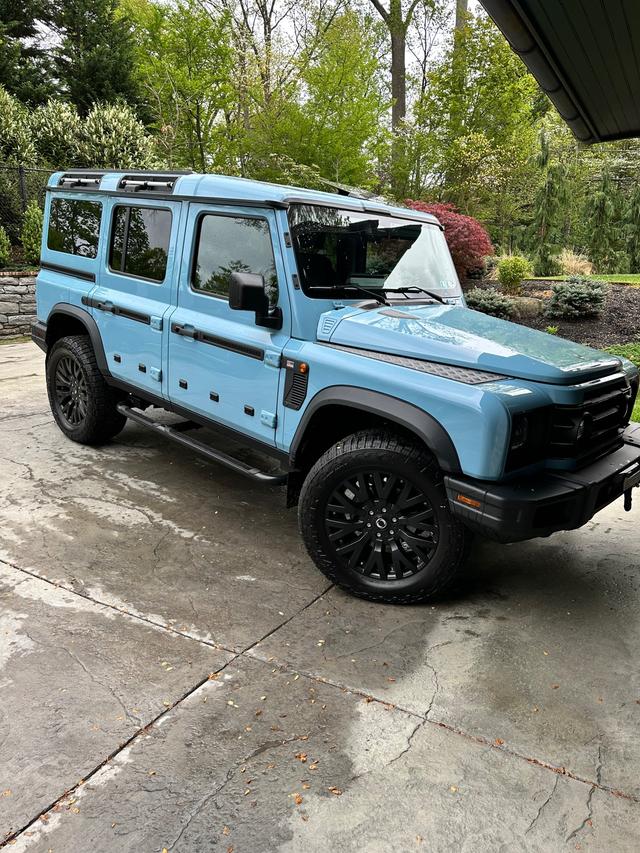
2024 INEOS Grenadier
Base • 3,300 miles
Ardmore, PA
$75,000

2024 INEOS Grenadier
Base • 4,200 miles
Bedford, VA
$74,000
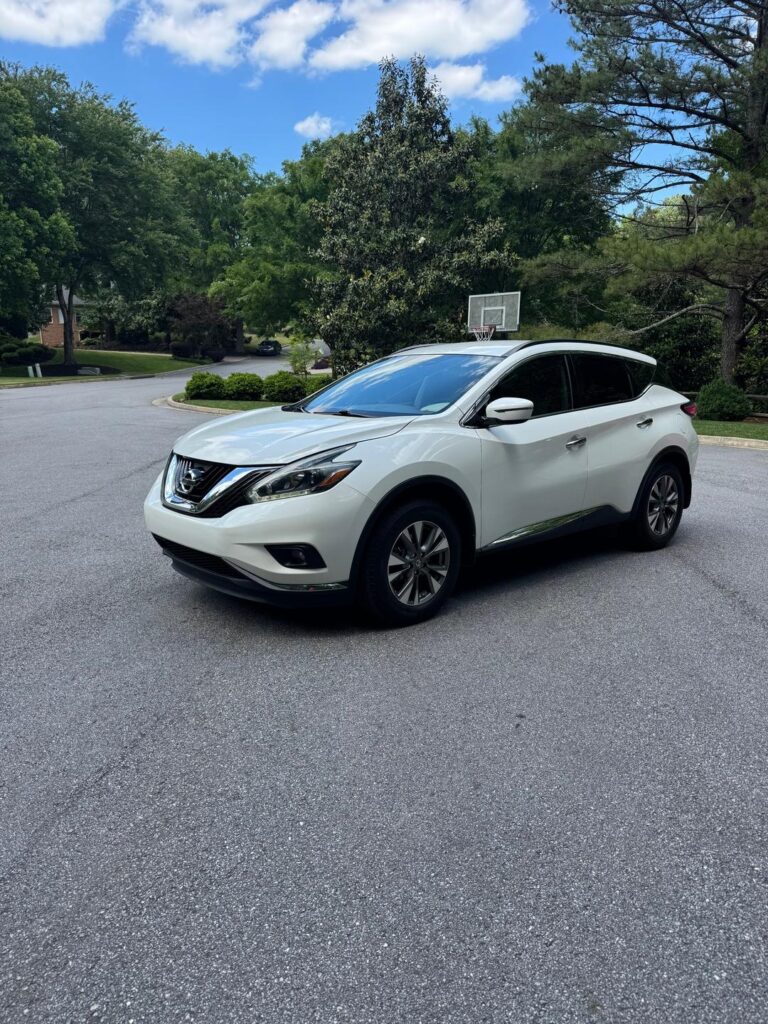
2018 Nissan Murano
Platinum • 78,500 miles
Atlanta, GA
$15,750
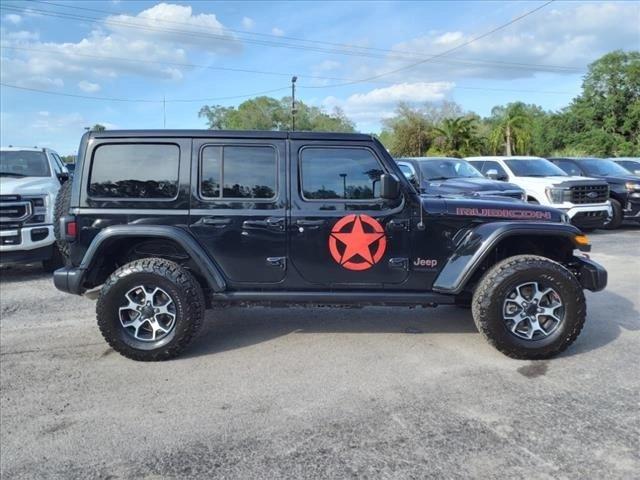
2022 Jeep Wrangler
Unlimited Ru • 41,235 miles
Ormond Beach, FL