


Summer is prime time for private vehicle sales. The weather is good, kids are out of school, and a lot of people want a different ride for road trips. At the same time, money can be tight with vacations, camps, and higher power bills. That is when buyers start asking, “Can we do a payment plan instead of paying all at once?”
A payment plan can work, but it needs to be set up the right way. Unlike a dealership, there is no finance office protecting you. It is just what the buyer and seller agree to on paper. We will walk through how to decide if installments are a smart move, how to structure the schedule, what to put in writing, how to handle the title and keys, and what to do if payments go late or stop.
Building a Payment Plan That Protects Both Sides
In a private sale, a “handshake deal” on payments is asking for stress later. When the plan is fuzzy, small misunderstandings can turn into big arguments. Clear terms help both buyer and seller relax.
A safe plan should cover:
- How much is due up front and in each installment
- When each payment is due
- When the car, keys, and title change hands
- What happens if a payment is late or missed
The good news is that with some structure and the right tools, you can give someone time to pay without putting yourself in a bad spot.
Deciding If Installments Make Sense
Before you agree to a payment plan, step back and look at all the options. For many private vehicle sales, a clean, full payment is still the best path.
Common choices are:
- Full cash or single electronic payment at the time of sale
- Buyer gets a loan from a bank or credit union
- Seller offers their own payment plan with installments
For sellers, a payment plan means acting a bit like a lender. You need to think about:
- How well you know or trust the buyer
- How much they can put down right away
- How long you are comfortable waiting for full payment
- Whether you are prepared to take the car back if they stop paying
Watch for red flags like pressure to rush, refusal to show ID, or stories that keep changing. Those signs matter.
For buyers, the big questions are:
- Does this payment schedule truly fit your budget?
- What happens if you lose hours at work or a big bill pops up?
- Are you clear on late fees, default, and repossession rules?
“I will figure it out later” is risky when we are talking about a car you need for work, school, or family.
Structuring a Clear and Realistic Payment Schedule
Once you both agree that installments make sense, build the schedule piece by piece. At minimum, you should agree on:
- Total sale price for the vehicle
- Down payment amount and exact due date
- Number of installments and payment frequency
- Final payoff date
Try to line payment dates up with the buyer’s paydays. That makes on-time payments more realistic. A solid down payment helps protect the seller and gives the buyer more commitment to the deal. It usually works better to keep the term shorter instead of stretching it so long that the car could need serious repairs before it is paid off.
Think carefully about payment methods. Cash meetups, paper checks, and wires can be:
- Harder to prove later
- Slower or subject to holds
- Risky if the money is fake or never shows up
Instant electronic payments with clear receipts are safer for both sides. Each installment should be documented so there is no debate about what has been paid.
Putting Every Term in Writing
Nothing should move, not money and not metal, until the deal is on paper. A basic written agreement for private vehicle sales should cover:
- Full legal names of buyer and seller, with verified identities
- Vehicle details like VIN, year, make, model, and mileage
- Total sale price and down payment
- Exact schedule of installment amounts and due dates
Then go deeper with protection clauses. For example:
- Late fee amount and when it applies
- Grace period, if any, for slightly late payments
- What counts as default, such as how many missed payments
- Whether the seller can take the vehicle back on default and how
- Who must carry insurance and at what level
- Who pays for taxes, registration, and fees
- How you will handle disputes, like mediation or small claims court
Both parties should sign and date the agreement. It is smart to keep both a digital copy and a printed copy. Secure e-sign tools and in-app messaging can create a clear history of what you agreed to and when.
Timing the Title, Keys, and Insurance
The trickiest part of seller financing is when to hand over ownership. You want to balance trust with protection.
Some common approaches are:
- Seller keeps the title until the last payment is made
- Title shows the seller as a lienholder until payoff
- A conditional sale agreement that gives the buyer possession but not full ownership until they pay in full
When the buyer takes the car, document:
- Odometer reading on that day
- Visible condition, including any existing damage
- Exact date and time of possession
The buyer should carry full insurance starting the moment they drive away. The seller should only cancel their insurance after the transfer is properly recorded. State rules on when you must report the sale, how long you keep or remove plates, and when the title must be filed can be strict, so it is smart to check your local DMV rules so you do not get stuck with tickets or accident liability.
Planning for Late Payments, Defaults, and Disputes
Hoping everything goes perfectly is not a plan. You want written steps for when things go wrong, before they actually do.
Your agreement should clearly say:
- What counts as a late payment, even if there is a grace period
- How late fees are calculated and when they start
- How many missed or partial payments equal a default
- What rights the seller has on default, including getting the car back
If a payment is late, keep communication calm and clear. Use written or in-app messages, not only phone calls, so there is a record. If things keep slipping, you may need legal help or small claims court, depending on the amount and your state rules.
Getting the car back can be tricky. Towing it in the middle of the night or entering private property could be illegal in many places. Before taking action, it is smart to:
- Review your state laws on repossession for private sales
- Ask a legal professional what methods are allowed
- Document the vehicle’s condition when it returns to avoid new disputes
Technology can make this whole process less stressful. At PrivateAuto, we built tools for private vehicle sales that combine identity verification, secure in-app messaging, instant payments, and guided digital paperwork based on the state where the deal happens. That way buyers and sellers can agree to a payment plan with clear terms, secure installments, and a full record of every step from the first message to the last payment.
Simplify Your Next Private Sale With Secure, Built-In Tools
If you are ready to sell your car with less hassle and more control, start with our streamlined private vehicle sales platform. At PrivateAuto, we give you secure messaging, verified buyer identities, and protected payments so you can move from listing to closing with confidence. Get your vehicle in front of serious buyers today, and if you have any questions about the process, simply contact us.
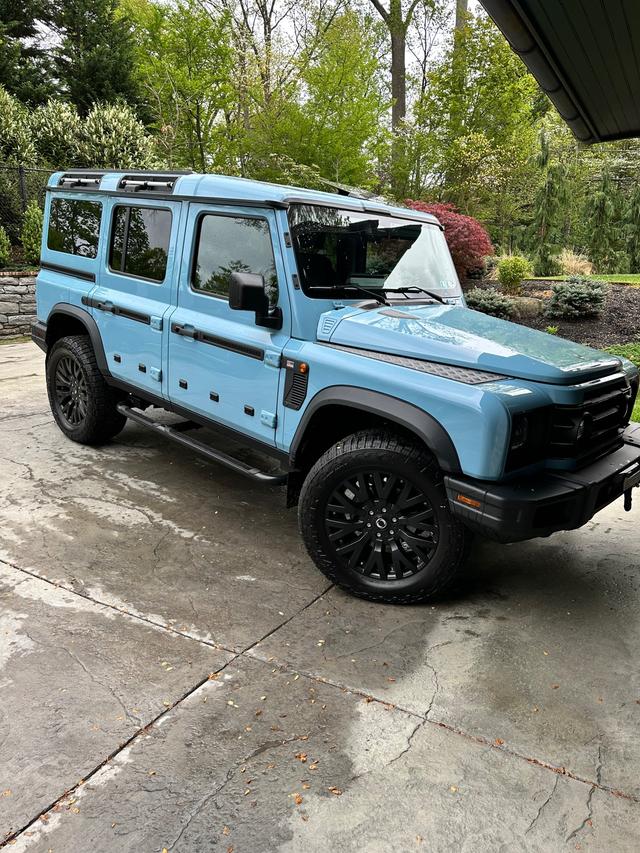
2024 INEOS Grenadier
Base • 3,300 miles
Ardmore, PA
$75,000

2024 INEOS Grenadier
Base • 4,200 miles
Bedford, VA
$74,000
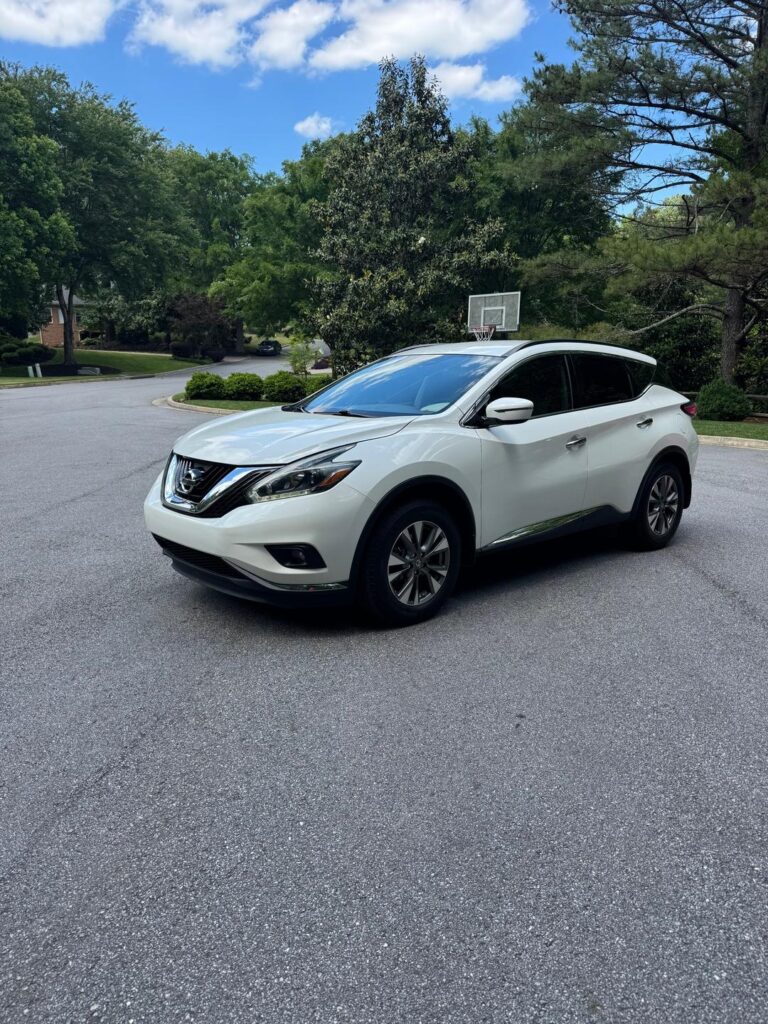
2018 Nissan Murano
Platinum • 78,500 miles
Atlanta, GA
$15,750
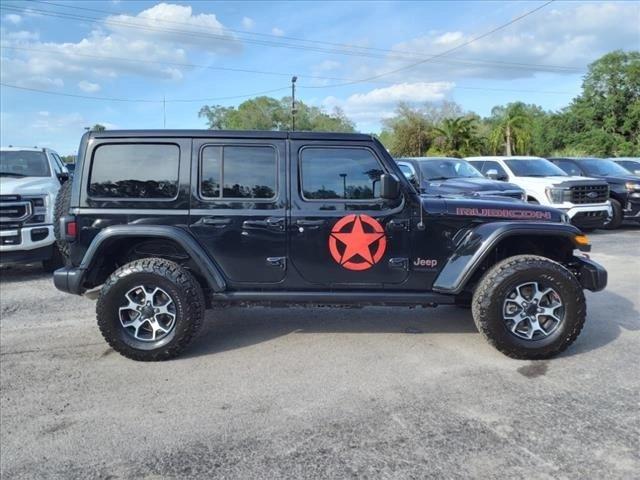
2022 Jeep Wrangler
Unlimited Ru • 41,235 miles
Ormond Beach, FL