

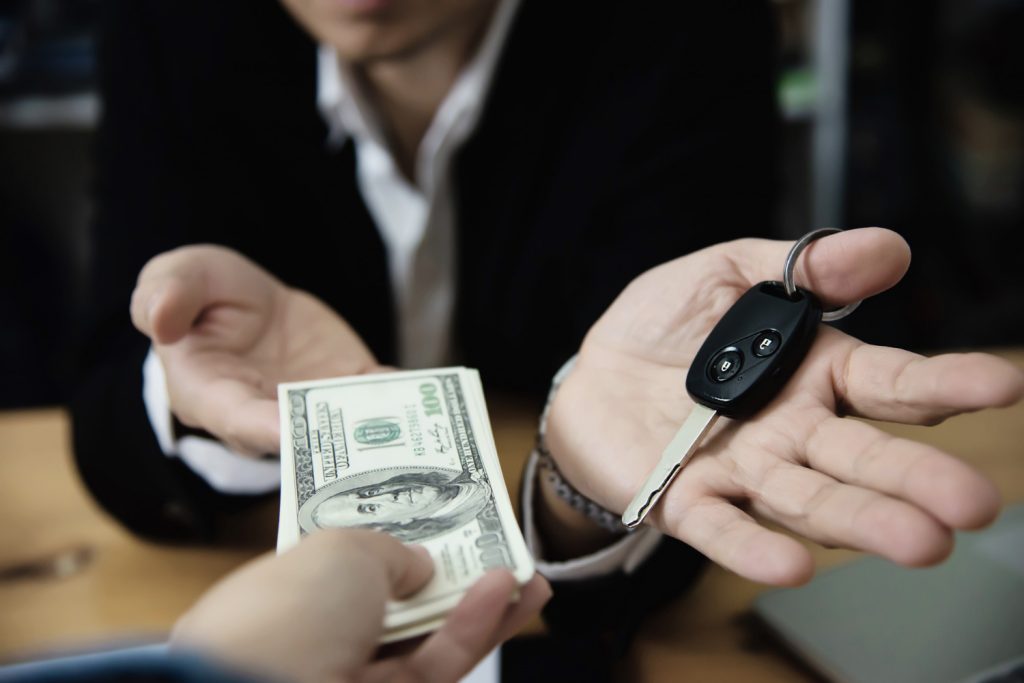
Car sale fraud has become a real concern for people who want to sell their vehicles privately. Scam artists don’t need to break into cars to steal them anymore. They can just fake a payment or create fake paperwork. When you’ve spent time getting your car ready and listing it for sale, the last thing you want is to fall victim to a buyer who isn’t what they seem. One wrong move during a private sale can cost you more than money. It can lead to identity theft, a stolen vehicle, and legal headaches.
That’s why it’s worth learning how scammers operate and what signs to watch for. Staying sharp during a car sale isn’t about being fearful. It’s about knowing who to trust, how payment should work, and how to keep your info protected. With the right tools and knowledge, you’re in a better position to finish your sale with zero regrets.
Recognizing Common Car Sale Scams
Scammers tend to follow the same playbook. Their tactics can be sneaky, but if you look closely, some red flags are easy to spot. Most scams during a car sale fall into just a few categories, though the details might vary every time. Knowing what to expect can give you the upper hand.
Here are a few well-known scam types and what to watch for:
- Fake Checks: The buyer looks real, maybe even friendly and quick to agree on your asking price. Then they hand you a check that later bounces. You’ve already handed over the keys by the time it hits your bank.
- Overpayment Trick: Someone sends you a check for more than you asked and asks you to wire back the difference. It seems like a mistake, but it’s part of the con. Their check turns out fake, and you end up paying real money to a scammer.
- False Pickup Services: Some buyers claim they’re out of town and want to send a third-party transport company to pick up the car. They’ll often try to pay through non-secure methods or pressure you into rushing the process.
- Identity Theft: Buyers may ask for copies of your driver’s license or personal documents under the pretense of checking ownership or registration details. Sharing this info can put you at risk of more than just a bad transaction.
- Phishing Messages: Scammers use email or text messages that look legitimate but are designed to trick you into sharing sensitive details or clicking unsafe links. If something seems odd or pushy, it probably needs a second look.
Any of the above red flags should slow you down. A real buyer will answer your questions directly, won’t try to over-complicate the payment, and won’t rush you to act immediately. One car seller shared a story where the buyer insisted on paying with a money order and sent someone else to pick up the car. Turns out the money order was fake, and the car was gone.
You don’t need to memorize every scam out there. What helps most is trusting your gut, slowing things down, and always checking twice if something doesn’t feel right.
Verifying Buyer Identity
One of the simplest, most effective ways to avoid fraud during a car sale is to make sure the buyer is who they say they are. It sounds obvious, but too many people skip this step because it feels awkward or they’re in a rush to close the deal.
It’s totally normal to ask for ID before you go any further in the sale. You can do this politely, just like you’d expect to show ID if roles were reversed. If someone resists, that’s reason enough to pause. Most legit buyers understand the need to verify identity, especially when it comes to high-value transactions like a car.
Once ID is shown, make sure the name matches the person you’re talking to and keep that information in mind when you get to the paperwork. If you’re using a phone or online platform to communicate, don’t let conversations drift into vague usernames or burner numbers. Text messages and vague emails are harder to track if something goes wrong.
A safer way to handle conversations is through tools that confirm identity or offer secure messaging. These systems add a layer of protection where both the buyer and seller know they’re dealing with verified users. If a buyer hesitates to use tools like these, that’s usually a warning sign worth paying attention to.
Scammers often count on sellers being too trusting too early. Asking someone to verify their ID doesn’t make you difficult. It makes you smart. Taking time now saves you from damage control later, whether it’s financial loss or legal trouble.
Checking ID, confirming basic details, and staying inside secure communication channels can make a big difference. You’re already managing everything from scheduling test drives to handling ownership documents, so working with someone who’s real helps make it all go smoother.
Safe Payment Methods That Work
When you’re selling a car privately, getting paid safely can be the hardest part. Scammers know this and often try to rush or confuse the process. That’s why it’s worth slowing down and choosing payment options that leave less room for risk.
Avoid things like wire transfers from unknown sources, money orders, and cashier’s checks unless you can verify them with the issuing bank before parting with your car. Even then, delays in processing can leave you stuck if the payment turns out fake. Cash might sound simple, but walking around with large amounts of money introduces a different kind of risk. Instead, look for secure, trackable payment options built for large transactions.
Safer choices include:
- Direct bank-to-bank transfers where funds fully clear before you hand over the keys
- Payment systems that confirm the receipt of funds in real time
- Escrow services that hold the money until both parties agree everything checks out
Whatever method you choose, make sure it’s one you fully understand. If a buyer tries to push an unfamiliar process or pressures you to bend the rules, take that as a red flag. You’re allowed to ask questions and wait for confirmation before finalizing the sale.
You want payment to be simple, clear, and fully accepted before you hand over the keys and title. Don’t feel rushed. The right buyer won’t hesitate to follow a safe and fair process.
How To Transfer Ownership Securely
Handing off a vehicle to someone else isn’t complete until the paperwork says so. Forgetting even one step in the ownership transfer can leave you open to fines, liability, or worse. If something happens with the car after it’s technically sold but still tied to your name, you’re the one who could end up dealing with it.
Start by checking your state’s rules on transferring ownership. Each one has its own requirements, but they usually involve signing over the title properly, noting the odometer reading, completing a bill of sale, and notifying your state’s motor vehicle department that you’ve sold the car.
Make sure the buyer’s name appears clearly on the signing area of the title. If you leave anything blank or messy, it gives room for someone to alter the details later.
Here are a few best practices when finishing your sale:
- Sign the title in front of the buyer
- Fill out a bill of sale with both your names, the sale price, and date
- Keep a photo or copy of everything you sign
- File a release of liability or notice of sale with your DMV
These steps give you protection if the new owner racks up parking tickets or gets in an accident before the state updates its records. One seller recalled skipping the release of liability form and didn’t realize the buyer hadn’t updated the title. Months later, unpaid toll violations started arriving in the mail.
By staying organized and following the legal steps completely, you’re saving yourself from problems down the line.
Keep Your Personal Information Private
Scammers aren’t just after the car. For some, the goal is your identity. During a sale, it’s common to swap certain details, but there’s a line you shouldn’t cross. Avoid handing out personal information like your Social Security number, home address, or copies of your driver’s license unless legally required and you’re sure the transaction is real.
Stick to communication channels that protect both your contact details and history. That way, you’re not exposing your email, phone number, or home location unintentionally. If you’re texting or emailing from your personal accounts, you’re giving someone information they can piece together and misuse. Instead, use secure systems when possible. These add extra steps that make it harder for sensitive info to fall into the wrong hands.
Tips to keep your info safe:
- Don’t share documents before verifying a buyer
- Avoid posting detailed info like VIN and license plate in your listing photo
- Meet in public spaces whenever possible, during daylight hours
- Keep all chatter related to the sale. If a buyer veers off-topic, stay alert
You’re doing more than passing off a car. You’re engaging in a process that involves money, trust, and identity. Guarding your personal details tightly makes sure that when the sale ends, you walk away clean with no spam calls, no stolen data, just peace of mind.
Stay Smart at Every Step
There’s a lot that goes into selling a car privately, from choosing the right listing details to closing the deal with confidence. The danger comes when small steps get skipped and assumptions take the place of clear actions. That’s when fraud gains a foothold.
Trust doesn’t have to be blind. It grows when both sides of the deal are open, responsive, and careful with each other’s time and safety. When questions come up, ask them. When something feels off, it’s okay to wait or walk away. Selling a car takes time and attention. Taking shortcuts usually leads to stress or mistakes.
The best way to stay safe during a private auto sale is by using protective tools, following smart habits, and being willing to pause when something doesn’t look right. Fraud falls apart when you’re paying attention and sticking to a smart process. When all parts work together – ID checks, safe payments, complete documents – you get to end the sale on your terms with no surprises.
Wrap up your car sale with ease and safety. If you want to avoid common mistakes and feel confident throughout the process, learn how being a private auto seller can work in your favor. PrivateAuto makes it easy to connect with verified buyers and finalize deals securely from start to finish.
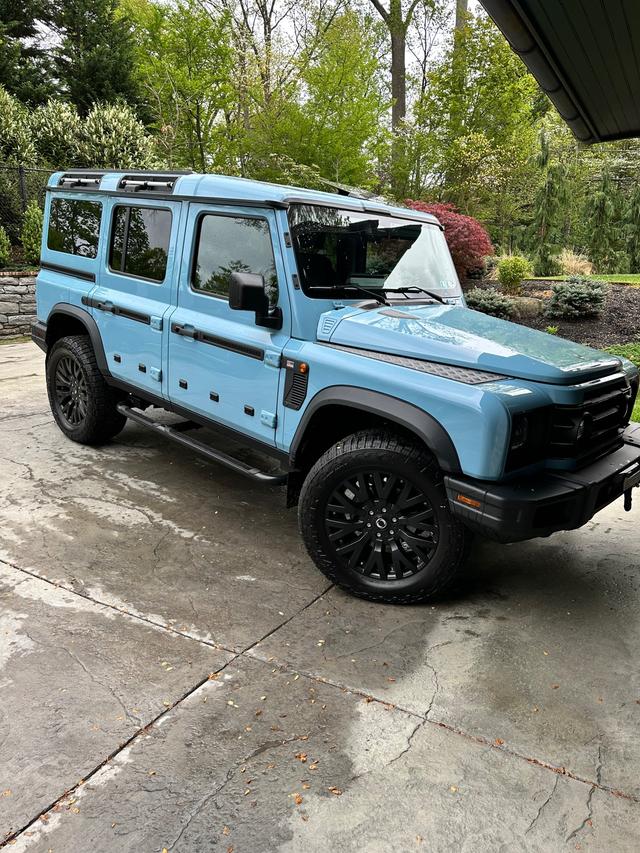
2024 INEOS Grenadier
Base • 3,300 miles
Ardmore, PA
$75,000

2024 INEOS Grenadier
Base • 4,200 miles
Bedford, VA
$74,000
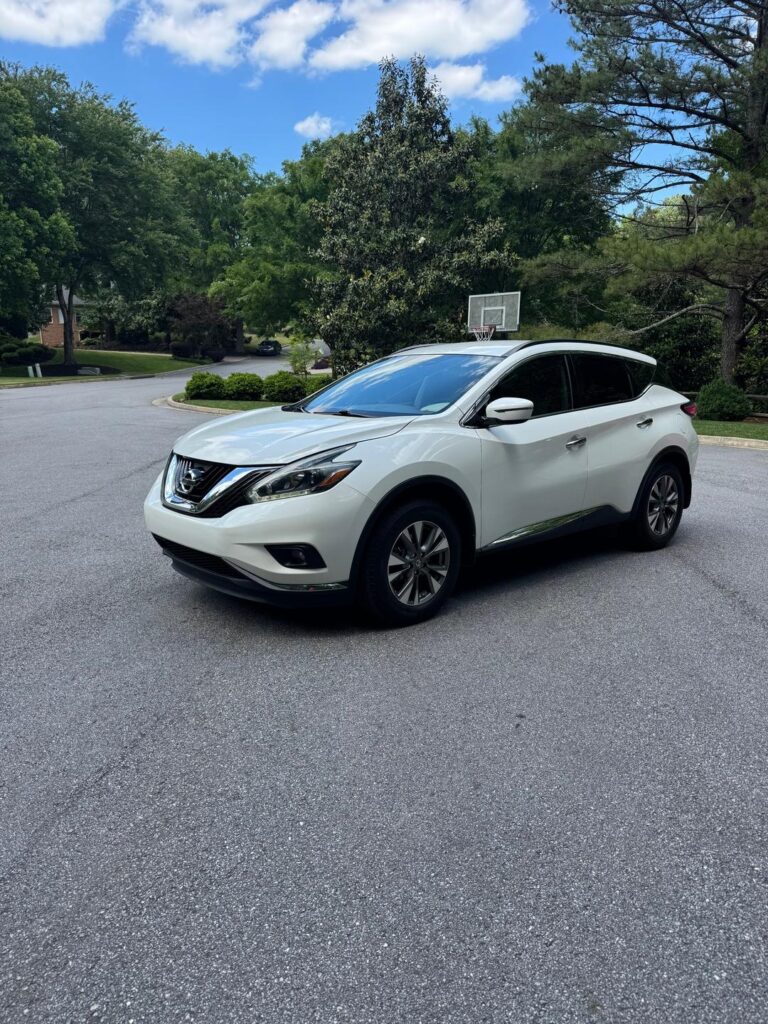
2018 Nissan Murano
Platinum • 78,500 miles
Atlanta, GA
$15,750
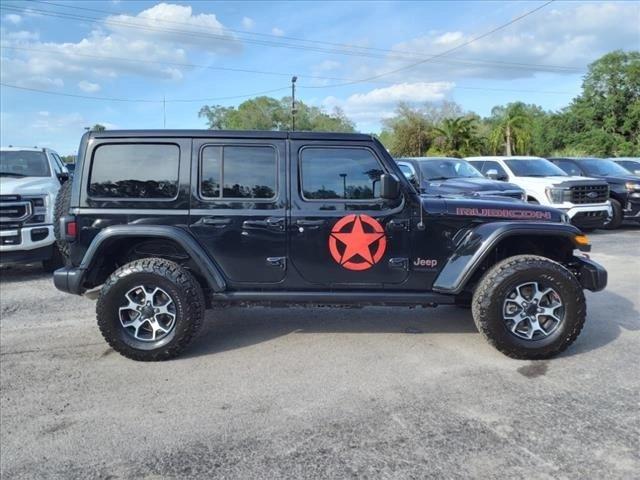
2022 Jeep Wrangler
Unlimited Ru • 41,235 miles
Ormond Beach, FL