

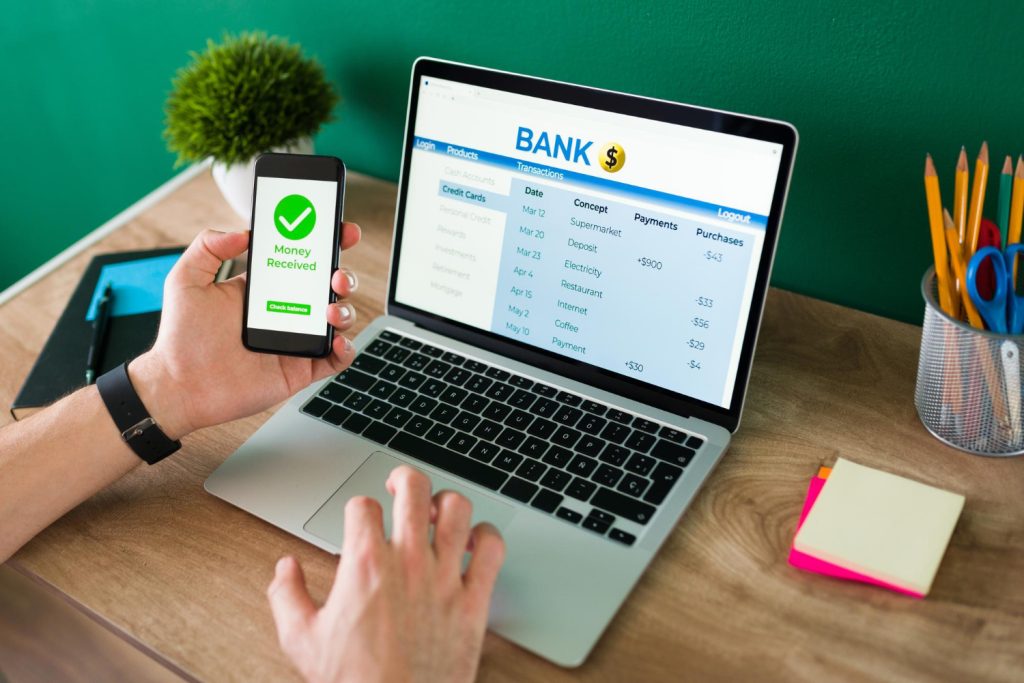
Selling a car privately is exciting, but the way you get paid can decide whether it feels smooth or stressful. When you are dealing with thousands of dollars, the payment method matters as much as the price you agree on. A safe, clear payment plan protects you from scams, awkward bank visits, and sleepless nights wondering if the money is real.
We will walk through the three main options people use for large private-party car payments today: escrow, instant digital transfer, and traditional wire transfers. We will look at how each one stacks up on fees, speed, chargeback risk, proof of payment, and everyday convenience, so you can pick what fits your next private sale.
What Makes a Payment Truly Safe in a Private Car Sale
Private car sales are different from selling a couch or a phone. You are dealing with:
- Large sums of money
- Strangers you usually just met online
- A title that must be signed over at the right time
- Scammers sending fake screenshots or “payment pending” notices
A safe payment method for a car sale has a few key parts. It needs to clear fast enough that no one is left waiting and wondering. It should be hard or impossible to reverse once the seller hands over the keys. It should connect to a real identity, not just a screen name. And it should leave a clear record that holds up if there is a disagreement about the vehicle or title later.
A lot of buyers and sellers mix up basic terms. For example:
- Pending vs cleared funds: Pending means the bank sees something started, but the money might not be spendable yet. Cleared means it is actually in the account and ready to use.
- Chargebacks vs disputes: A chargeback is when a bank or card company pulls money back from the seller. A dispute about a car sale is a disagreement that usually gets handled through paperwork, not pulled payments.
- Big transfers vs small app payments: Banks treat large, one-time transfers differently from small, casual app payments. Limits, holds, and reviews are all more common when the dollar amount is high.
Escrow Services Explained: Protection with Extra Complexity
With escrow, a neutral third party sits in the middle of the deal. Here is the basic flow:
- Buyer sends money into an escrow account.
- Escrow confirms it has the funds.
- Buyer gets the car, title, and any agreed paperwork.
- Once conditions are met, escrow releases the money to the seller.
This can feel very reassuring, especially for long-distance deals or rare cars. Benefits include:
- Both sides know someone neutral is holding the funds
- Clear steps help reduce misunderstandings
- Helpful for out-of-state sales or when the car is shipped
But there are tradeoffs. Escrow services usually come with higher fees that grow with the sale price. Money can take longer to land in the seller’s bank, especially if there are questions about the condition of the car or timing of delivery. Conditions can be confusing if they are not written clearly, and fake escrow sites are a real scam risk.
On chargebacks and proof of payment, escrow is fairly strong. Once funds are fully released, they are not easy to pull back. You also get a detailed record of who paid what and when. Escrow tends to fit best when:
- The car is high value
- Buyer and seller are in different states
- One or both people are not comfortable meeting in person
Instant Digital Transfer: Fast, Verified, and Low Stress
Instant digital transfer for car sales is all about real-time, bank-to-bank movement of money between verified people. Instead of checks or slow wires, funds move right when both sides are together, usually during the test drive or at the handoff.
On a platform like PrivateAuto, the payment is built into a guided process for secure payment for private car sales. Both people verify their identity first. When they are ready to deal, the buyer sends the money through the app, and the seller sees it land immediately, not as “pending later” but as spendable funds.
Compared with escrow or wires, instant digital transfers usually feel lighter and faster:
- No waiting days for a release
- No separate login to a bank portal during a busy Saturday
- Often fewer overall hoops to jump through
Chargeback risk is low because the money is pushed straight from one bank to another, not sent through a card network that allows easy reversals. The platform keeps a clear digital trail with receipts, timestamps, and payment records.
Extra security tools can make this even safer:
- Identity checks so you know who you are dealing with
- In-app messaging to keep all deal talk in one place
- Step-by-step paperwork guidance so the title transfer matches the payment timing
That mix of speed and structure is especially helpful when spring weather is nice, everyone is booked on weekends, and both sides want a same-day decision.
Traditional Wire Transfers: Bank Backing with Real Limits
Many sellers feel safer when the word “bank” is involved, which is why wire transfers are still common. With a standard wire, the buyer tells their bank to send money straight into the seller’s account, using routing and account numbers.
In theory, once the wire hits, it is final and hard to undo. But in practice, there are limits and headaches:
- Wires sometimes take hours or longer to show up
- Banks have cutoff times, especially on Fridays and holidays
- Staff may question large amounts or ask for in-person visits
Sellers are also open to fake proof. A buyer can show a screenshot saying “wire sent” while the money is not actually there yet. If the seller releases the car based on a screenshot instead of cleared funds, they are taking a big risk.
Wires leave a bank record, so there is some proof of payment. But there is no built-in process for car-sale issues. There is no identity verification, no automatic contract, and no title guidance. If something goes wrong, people are left with their own paperwork and whatever messages they saved.
Comparing Options and Locking in Your Plan
Here is how these three methods stack up in simple terms:
- Fees: Escrow usually costs the most, wires sit in the middle, instant digital transfers are often leaner overall.
- Speed: Instant bank-to-bank transfer is typically the fastest, wires can lag, escrow is usually slowest.
- Chargeback risk: Card-style chargebacks are rare with wires and instant bank transfers, and escrow adds extra structure on top.
- Proof of payment: All three leave a trail, but platforms built for secure payment for private car sales tie that trail to IDs, chat logs, and paperwork steps.
During the busy spring selling season, buyers often move fast and sellers may juggle multiple offers. A slow or clumsy payment method can cost you a good deal if someone else is ready with instant, verified funds.
Before you even list your car, it helps to decide your rules. Think about:
- Do you want on-the-spot confirmation that money is fully cleared?
- How comfortable are you meeting strangers at banks?
- Do you need guided paperwork so payment and title transfer stay in sync?
Set those ground rules ahead of time so you can politely say no to risky options like random payment apps or unverified checks. At PrivateAuto, we built our instant transfer and guided workflow around that exact goal, so private sellers can enjoy the good parts of a spring sale, while keeping their money and title protected.
Protect Your Sale With Fast, Secure Car Payments
Ready to sell or buy a car confidently without worrying about cash or risky transfers? See how PrivateAuto streamlines every step, from listings to secure payment for private car sales that protects both parties. If you have questions about getting started or need help with a specific transaction, contact us and we will walk you through your options.
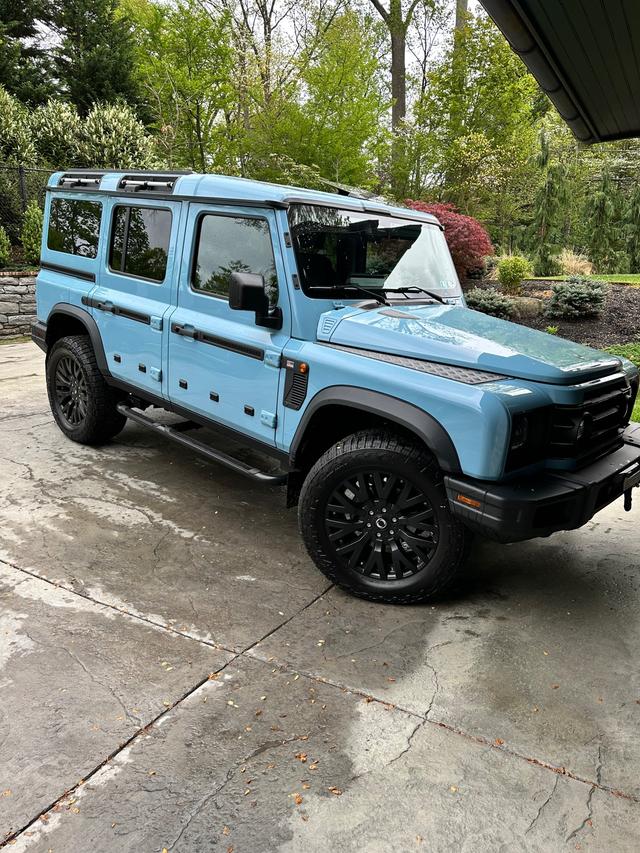
2024 INEOS Grenadier
Base • 3,300 miles
Ardmore, PA
$75,000

2024 INEOS Grenadier
Base • 4,200 miles
Bedford, VA
$74,000
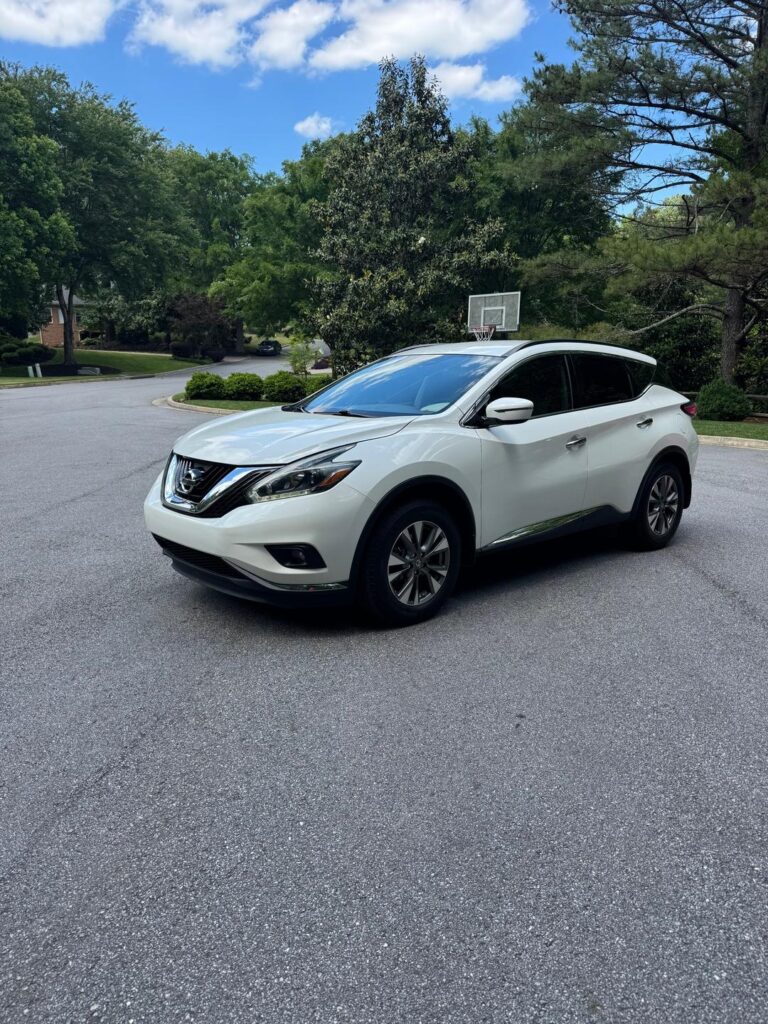
2018 Nissan Murano
Platinum • 78,500 miles
Atlanta, GA
$15,750
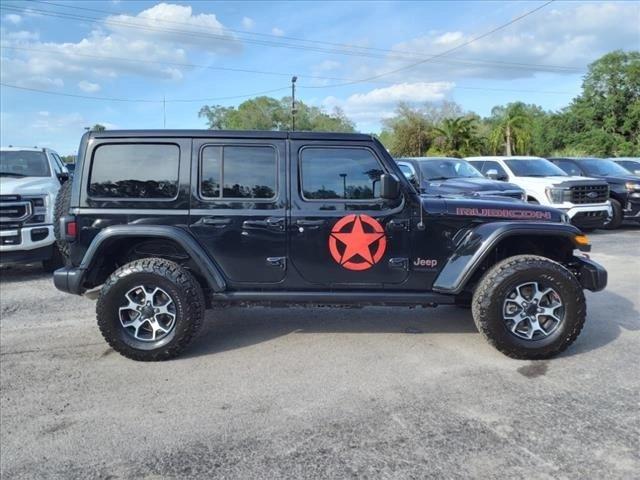
2022 Jeep Wrangler
Unlimited Ru • 41,235 miles
Ormond Beach, FL