


Selling or buying a used car through private party transactions can feel a bit like navigating a winding road with unexpected turns and bumps. It involves more than just finding a buyer or seller; there are numerous challenges along the way that can complicate the process. These include setting the right price, ensuring all the paperwork is in order, and safeguarding yourself from fraud. These obstacles can make the experience seem daunting and can deter many people from exploring this option. However, understanding these challenges and knowing how to tackle them can lead to a smooth and successful transaction.
Overcoming these hurdles not only makes the process easier but also boosts your confidence in handling private car deals. By preparing properly, you can save time and avoid the stress often associated with selling or buying a vehicle privately. Whether it’s your first time dealing with a private party sale or you’re a seasoned seller or buyer, getting a grip on these common challenges can make the journey a lot more enjoyable.
Understanding Common Challenges
When it comes to private party used car sales, a few common challenges often stand in the way. Let’s explore these obstacles so you can better understand what to expect and how to handle them effectively.
– Setting the Right Price: One of the first hurdles is figuring out the right price for the vehicle. Pricing too high can scare away potential buyers, while pricing too low might mean losing out on potential profit.
– Managing Paperwork: Next on the list is paperwork. You’ll need to ensure everything is in order to transfer ownership smoothly. Missing or incorrect documents can cause serious delays or even legal problems.
– Avoiding Fraud: Fraud is another significant worry. Scams can happen on both sides of the transaction, and staying alert is key. You’ll want to make sure both parties are legitimate to avoid being taken for a ride.
These challenges are common, but with a careful approach, you can overcome them. This will help ensure your buying or selling experience is not only smooth but also satisfying.
Pricing the Car Correctly
Getting the price right is crucial to attracting buyers and ensuring a fair deal. Here’s how you can approach setting the correct price.
- Research the Market: Begin by researching the market rates for similar vehicles. Check online listings and compare prices for cars with the same make, model, year, and condition.
- Consider the Car’s Condition: Take the condition of your car into account. Factors like mileage, wear and tear, and past damages should influence your pricing decision.
- Use Valuation Tools: Utilize online tools and resources that offer vehicle valuation services. These tools provide a clearer picture of how much your car is worth in the current market.
- Be Open to Negotiation: Lastly, be prepared to negotiate. Pricing your car slightly higher than the valuation can give you room to negotiate. However, be realistic about how much you can expect to settle for.
Setting the right price is an essential step in overcoming one of the biggest challenges in private party used car sales. By following these practices, you’ll create a fair and appealing offer for potential buyers.
Ensuring Proper Paperwork
Getting the paperwork right is a critical step in any private car sale. Without the correct documents, you could face delays or even void the transaction altogether. Here’s a straightforward guide to help you manage the necessary paperwork.
First, make sure to have the title of the vehicle. The title is the most important document, as it proves ownership. Both parties need to ensure that the details on the title are accurate. Check for signatures where required and verify that there are no liens on the vehicle. If the car has a lien, it must be cleared before the title transfer.
Next, prepare a bill of sale. This document outlines the terms of the sale and includes important information such as the purchase price, vehicle details (VIN, make, model, year), and contact information for both the buyer and seller. It’s not always legally required but serves as a valuable reference in case of disputes or questions later on.
Also, be aware of any state-specific documents that might be necessary. Each state has different requirements for transferring vehicle ownership, so it’s important to check the Department of Motor Vehicles (DMV) in your state or the buyer’s state, if different, to ensure compliance.
Fraud Prevention Tips
Fraud is a major concern in private party car sales, but you can take steps to protect yourself. Here’s how you can be vigilant about preventing scams:
– Verify Buyer and Seller Identities: Meet potential buyers or sellers in person, ideally in a safe, public location. Verify their identity by asking for a driver’s license or another form of ID. Avoid doing business entirely online or through only one mode of communication.
– Be Wary of Unusual Payment Requests: Avoid wire transfers or payments through platforms that don’t have buyer protection. Stick to secure payment methods like cash or certified checks. If a large sum is involved, consider using an escrow service for additional security.
– Trust Your Instincts: If a deal seems too good to be true, it probably is. Be cautious of pressure to close the deal quickly or any reluctance to meet in person or provide vehicle documents.
By staying alert and taking these precautions, you can significantly reduce the risk of falling victim to fraud during a private car sale.
Secure Payment Methods
Handling the payment safely is just as important as getting the paperwork and price right. Here are some recommendations to ensure a secure and hassle-free payment process.
- Preferred Payment Options: Cash is a straightforward option, but make sure to count and verify the bills in a safe location. Certified checks from a bank are another reliable option, as they are guaranteed by the bank.
- Escrow Services: For a safer transaction, especially when the sale involves a substantial amount of money, using an escrow service can be beneficial. This third-party service holds the funds until all conditions of the sale are met, providing peace of mind to both parties.
- Avoid Untrustworthy Methods: Stay away from payment methods that don’t offer protection, such as wire transfers. If a buyer insists on using an unfamiliar payment method, take extra precautions or suggest alternatives.
Final Steps in a Successful Sale
Concluding a private car sale successfully is about tying up loose ends and ensuring both parties are satisfied. After the sale, ensure that all documents are filed appropriately with the relevant state departments to formalize the transaction, and keep copies for your records.
Ultimately, staying informed and preparing in advance makes all the difference in a private party used car sale. By understanding the common challenges and knowing how to tackle them, you’re well-equipped to handle the process with confidence. Whether it’s preparing the right paperwork, setting a fair price, safeguarding against fraud, or ensuring secure payments, each step gets you closer to a successful transaction. Empower yourself with the knowledge needed to make your next car sale or purchase a smooth and seamless experience.
Whether you’re looking to buy or sell, understanding how to tackle common challenges helps you navigate private car sales with confidence. For those exploring private party used cars for sale, PrivateAuto offers an innovative platform to streamline your transaction with ease. Find exactly what you need and enjoy a smoother buying or selling experience today.
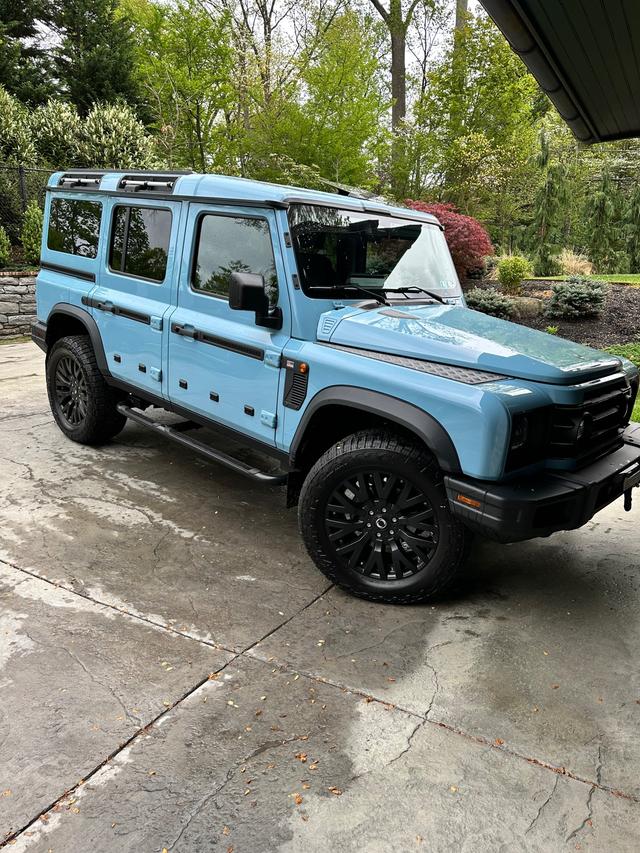
2024 INEOS Grenadier
Base • 3,300 miles
Ardmore, PA
$75,000

2024 INEOS Grenadier
Base • 4,200 miles
Bedford, VA
$74,000
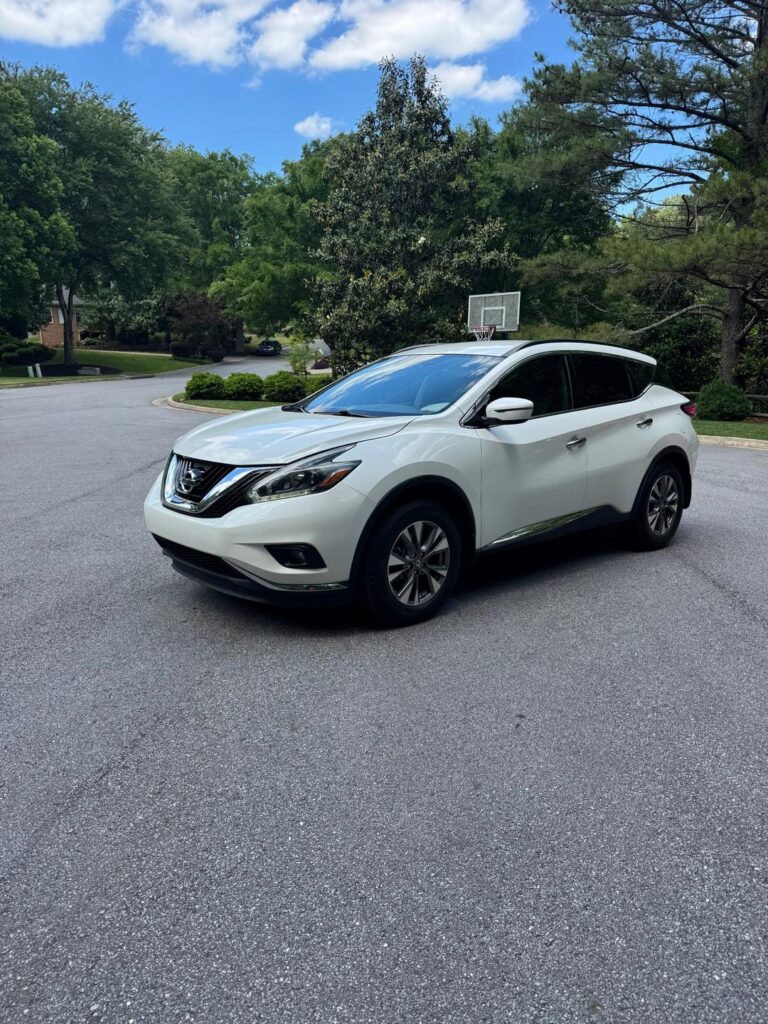
2018 Nissan Murano
Platinum • 78,500 miles
Atlanta, GA
$15,750
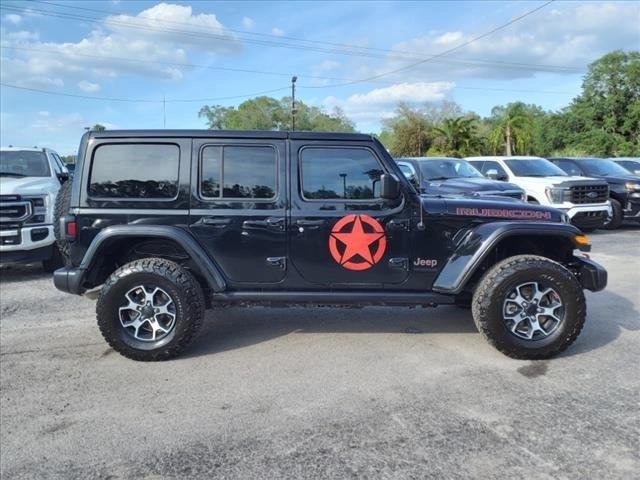
2022 Jeep Wrangler
Unlimited Ru • 41,235 miles
Ormond Beach, FL