


Buying a used car from a private seller can be a smart move. You usually have more room to negotiate the price, and you can find some well-kept cars that aren’t marked up like they often are at dealerships. But to avoid buying a money pit, you’ve got to do a little homework, and a big part of that is understanding the vehicle’s history.
A car’s past tells you a lot about what you might be dealing with. It helps you figure out if the deal is worth your time or if there are hidden issues that could come back to bite you later. Whether it’s how many owners the car’s had, how often it’s been serviced, or whether it’s ever been in a serious wreck, these details matter more than most people realize when looking at private party used cars for sale.
Why Vehicle History Matters
A test drive can tell you how a car feels on the road, but it won’t tell you if the car was totaled three years ago and rebuilt in someone’s garage. That’s the value of a vehicle history report. It gives you the backstory. You’ll learn about things that might affect your wallet down the road, like old damage, undisclosed repairs, or salvage titles.
Think of the report as a tool to help you avoid unpleasant surprises. Cars with clean history reports have often been well taken care of and show fewer risks. On the flip side, a car with gaps or red flags in its history might be cheaper, but it could cost a lot more over time with repairs or insurance headaches.
One buyer example that sticks out involved a car that seemed flawless at first. Nice paint, clean interior, and low miles. But the history report showed it had been through two minor accidents and had five different owners in six years. That didn’t seem like a stable mix. After looking deeper, the buyer found out the frame had been improperly repaired. Walking away saved a lot of time and money.
So don’t skip over the history check or treat it like just another step. It’s one of the easiest ways to spot problems before they become yours.
Key Elements To Look For
Once you pull the report, there are a few key things that deserve your full attention. These details can give you the clearest picture of a car’s past.
Here’s what to look for:
– Accident History: Check for records of any collisions. Even if it says “minor damage,” that could still mean hidden issues underneath.
– Ownership Details: Look for how many previous owners the car had and whether it changed hands frequently. Lots of short-term owners can point to recurring problems.
– Title Status: Make sure the title is clean, not branded as salvage, rebuilt, or flood-damaged. Title issues are hard to fix later.
– Service Records: Regular service suggests the car was cared for. Gaps in service can mean problems were ignored.
– Odometer Readings: See if the mileage increased consistently over time. A report that shows sudden drops or resets could mean tampering.
– Recalls: Some reports show if there are any open recalls that haven’t been fixed yet. That’s something you’ll want handled before buying.
Each of these checks helps you decide if the car fits what you’re looking for or if it’s best to keep shopping. A clean, easy-to-read report can build your confidence. A messy one should raise big questions. Either way, knowing what to look for puts you in control.
How To Access And Interpret History Reports
Getting your hands on a vehicle history report isn’t hard, but knowing how to read it makes all the difference. These reports come from a few well-known providers and are usually based on the car’s VIN, or Vehicle Identification Number. Once you’ve got that 17-digit number, you can enter it into most platforms to generate the report. Some private sellers may already have one ready, but don’t count on that. It’s worth checking the report yourself so you have full control over the process.
Once you’ve pulled up the report, start with the basics. Check the vehicle specs to confirm they match what the seller advertised—model, engine size, transmission type, and so on. After that, move on to the timeline and get a feel for the car’s life story. See where it was sold, inspect any major service events, and look at title transfers. These steps help you fill in the gaps before deciding to meet the seller in person.
When reading through the report, pay attention to language that might seem harmless but should make you look closer. For example:
– “Minor accident” can still mean structural damage if it wasn’t properly fixed.
– “Fleet vehicle” might suggest lots of mileage and heavy use.
– “Lien reported” means there may be an unpaid loan tied to the car.
– “Mileage inconsistency” should be investigated, as it could point to odometer rollback.
– “Rebuilt title” means the car was once declared a total loss and brought back to life.
Even small words can carry big meaning in a history report. If you’re unsure about the language or want a second opinion, it’s okay to pause the process and ask questions or request more records from the seller.
Red Flags And Deal Breakers
While no used car is perfect, some red flags can’t be ignored. Spotting these warning signs early helps protect your budget and peace of mind.
Here are some clear signs that a private party used car might bring more problems than it’s worth:
– Major accidents: Consistent or serious collisions, especially involving frame or airbag damage, are big warning signs.
– Title issues: A salvage or flood title should immediately make you think twice. Those types of damage often show back up later.
– Odometer rollbacks: If the mileage seems off or resets at weird points, you could be looking at tampering.
– No service history: While not always a deal breaker, a complete lack of records means you’re guessing about past repairs.
– Unfixed recalls: You don’t want to drive off in a car that’s missing safety updates.
– Frequent transfers: If the car has switched owners too many times in a few years, it’s worth asking why no one kept it long term.
Don’t be afraid to step away from a deal if something doesn’t feel right. You’re not just buying a car. You’re buying its history. If the story doesn’t add up, walk away before you’re stuck with a bad plot twist.
Make Smart Moves With Solid Information
Used car shopping doesn’t have to be stressful, as long as you’ve got the right info backing your decision. A vehicle history report gives you that extra boost of understanding so you can buy with more confidence. Once you know what to spot like title issues, service patterns, and matching mileage, you’re less likely to deal with unpleasant surprises.
Doing your homework lets you move forward in the buying process with a clearer head. It helps cut through the noise and focus on what really matters, whether the car you’re looking at can actually serve your needs without hidden headaches.
Treat the report like a flashlight, helping you shine a light into corners sellers might not talk about. With a solid eye for details and a bit of patience, you’re in a stronger position to make a smart decision. And smart decisions mean more good drives and fewer regrets.
Finish your research to make the best decision on a used car. When you’re ready to explore private party used cars for sale, consider using PrivateAuto for a seamless and secure buying process. Whether you’re browsing listings or preparing to make an offer, our platform has the tools and resources to make your purchase safe and straightforward.
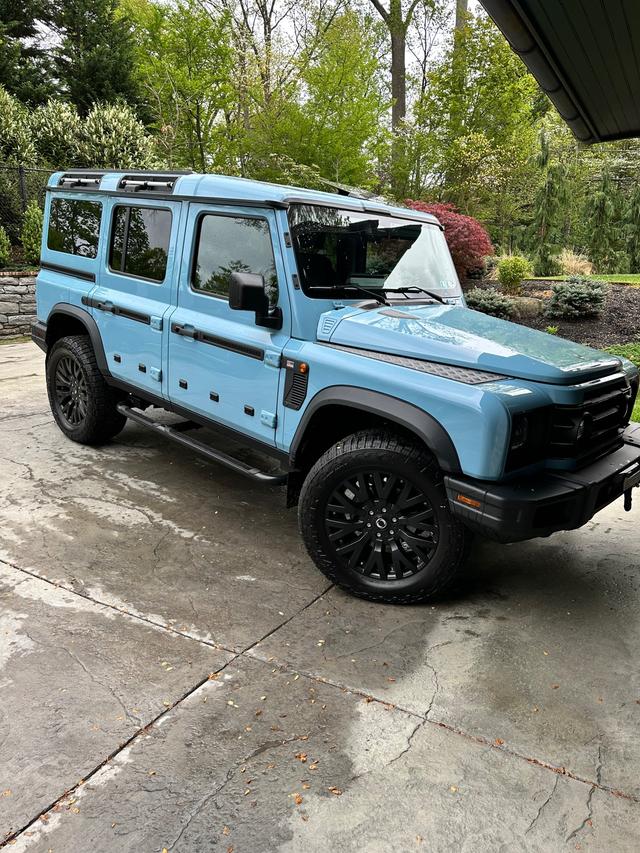
2024 INEOS Grenadier
Base • 3,300 miles
Ardmore, PA
$75,000

2024 INEOS Grenadier
Base • 4,200 miles
Bedford, VA
$74,000
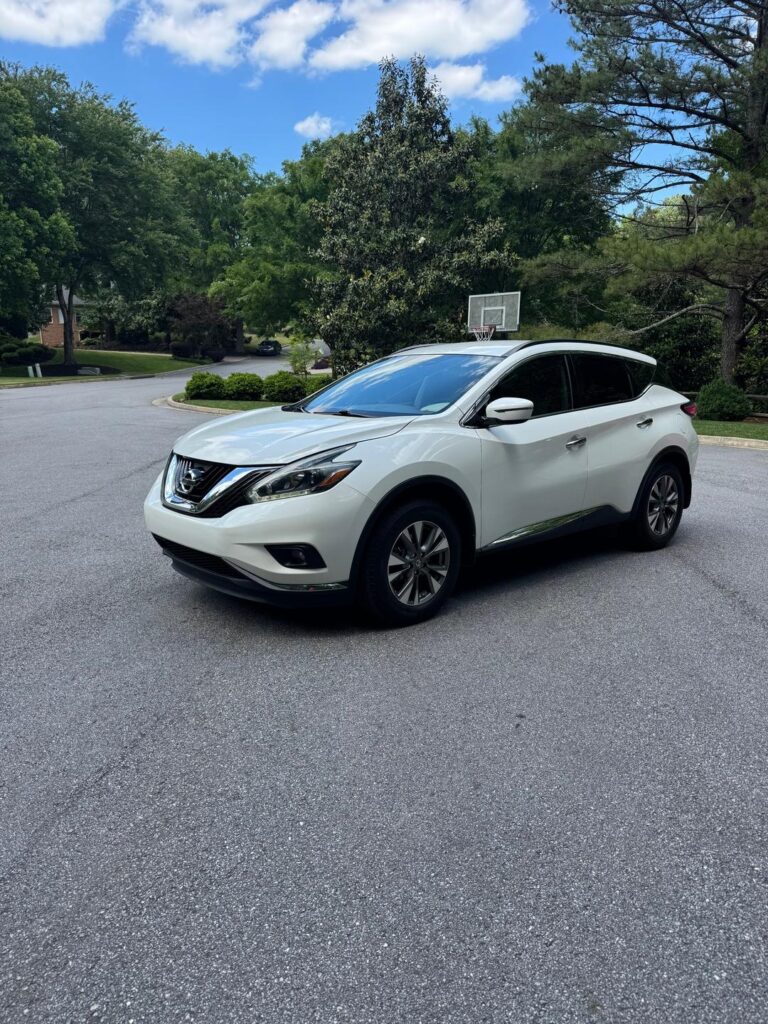
2018 Nissan Murano
Platinum • 78,500 miles
Atlanta, GA
$15,750
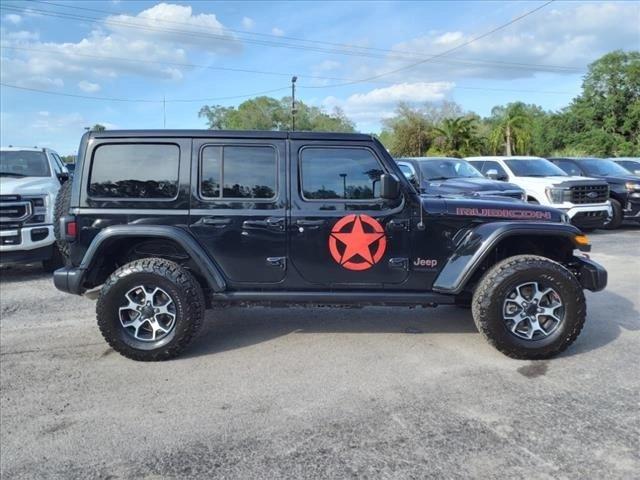
2022 Jeep Wrangler
Unlimited Ru • 41,235 miles
Ormond Beach, FL