


Figuring out how to talk numbers when selling a car to someone can feel a bit uneasy. You don’t want to leave money on the table, but you also don’t want to scare off a buyer by being too firm. That balance between standing your ground and keeping the buyer interested? That’s where good negotiation skills come in. Whether you’re selling your first used car or you’ve done it a few times before, having a clear plan makes a big difference.
The good thing is, you don’t need to be a salesperson or a smooth talker to get the price you want. You just need a little preparation and the right approach. A smart negotiation is really about knowing the value of what you’re selling, being honest, and making sure both sides walk away feeling like they got a fair deal. Let’s look at how you can make sure your private party sale works out on your terms, while keeping it respectful and smooth.
Know The Market Value
Before you ever talk price, you’ve got to know what your car is really worth. Pulling a number out of thin air won’t help. Buyers are doing their homework. If you’re guessing, it’ll show, and that’s not going to help you close the deal.
Start by checking what similar vehicles are selling for. Make sure you’re looking at private party listings, not dealership ads. Dealerships usually price higher because they add warranty, service, and overhead into the cost. Your private party sale should reflect the car’s condition, features, and mileage only.
Here are a few things to do when researching:
- Compare your car’s year, make, and model with other listings in your area
- Look closely at mileage, trim level, and upgrades like sunroofs or leather seats
- Check price trends on trusted vehicle pricing tools using private party values
- Use multiple sources to build a complete view
- Factor in any condition issues like worn tires or cracked windshields
Don’t forget seasonal timing either. Certain types of vehicles draw more attention at specific times of the year. A convertible may sell better in warmer months, while a 4-wheel drive SUV can appeal more to people right before or during winter. Since this article goes live in early December, snow-ready vehicles may attract higher interest.
Gathering this information before setting your price builds your confidence. You’ll be able to justify your asking price with facts, making conversations with potential buyers more productive.
Setting Realistic Expectations
Once you’ve come up with a solid price, think about your limits and how much wiggle room you’re willing to work with. This is when you set your minimum number—the price you absolutely won’t go below.
Listing the car slightly higher than your bottom number gives space for negotiation. For example, if you want to walk away with $8,000, you might list it at $8,500 or $8,750. That way, when a buyer talks you down a bit, it still lands in your comfort zone.
When setting expectations, keep these in mind:
– Negotiation is expected, so be ready to talk numbers calmly
– Don’t get defensive with offers that seem low—just redirect toward the value being offered
– Use the car’s strengths, maintenance history, or features to support your ask
– Think about what would make you feel good about the price if you were the buyer
Is your car cleaner than most? Has it been stored indoors or received regular oil changes? Did the tires or brake pads get replaced recently? Mention these details. Even smaller things can make your car stand out from others and create value in the eyes of buyers.
Having a plan and staying calm helps keep things on track, especially if tension starts to creep into the deal.
Effective Communication Strategies
When people start reaching out about the car, how you respond can make a big difference. Clear, fast, and polite communication helps move the sale along. If someone sends a message asking questions, don’t let it sit too long. Responding quickly shows you’re serious and respectful of their time.
As you get into talks about price, be clear and courteous. Avoid saying things like “make me an offer” if you’re not actually willing to negotiate much. If someone sends an offer way below your asking price, don’t take it personally. They could just be testing the waters or trying their luck.
Here are some tips for strong buyer communication:
– Keep your replies short but informative
– Express your price with confidence, not coldness
– Stay focused on why the price is fair—for example, highlight new tires or a recent tune-up
– Stay calm and patient
– If someone lowballs you badly, politely say no and steer back to the car’s value
Avoid complicated terms. Most buyers want the truth, not jargon. Say “just replaced the front brakes” instead of “performed front rotor and pad service using OEM components.” Keeping your words plain makes things smoother for everyone involved.
Lastly, don’t let emotions take over. If you’ve had the car for a long time, you may feel it’s worth more than its market value, but the goal here is to get a fair and successful outcome, not a personal win.
Closing The Deal The Right Way
Once a buyer agrees on a price, it’s time to wrap up the deal safely. Many sellers get nervous around this stage, especially when discussing the payment. That’s normal. You’ll want to make sure the funds are secure before handing over the keys.
Make sure the payment method you use is quick, traceable, and safe. Skip checks or IOUs, no matter how nice someone seems. Wait until the full payment clears before you release the car.
Here are a few tips to guide you through this final step:
- Accept verified and instant payment methods
- Refuse personal checks or payment promises
- Never hand over the car until the full amount is confirmed
- Prepare a bill of sale and keep one signed copy for yourself
- Meet in a well-lit, public place like a grocery store parking lot or your local DMV
Try to schedule the meetup when it’s light outside. Buyers may also feel safer this way. If paperwork can be handled digitally, many states now allow for remote document signing. This makes things faster and removes the stress of coordinating schedules.
Before handing off the keys, empty out personal belongings from the glovebox, floorboards, and trunk. Give the buyer everything that came with the car—manuals, extra keys, maintenance records if you’ve kept them. This adds peace of mind.
Finally, double-check the title to make sure your part is signed and filled out correctly to transfer ownership. This step protects you from any headaches if the buyer delays title transfer at the DMV.
Why Practice Makes You a Better Negotiator
There isn’t a single formula for negotiating used car prices, but the more prepared you are, the easier things get. Most buyers expect to have a conversation and may even toss out bold offers just to test your resolve. When they sense you’ve done your homework and aren’t just guessing, the whole tone of the negotiation changes.
Think of it less like a battle and more like a chat. Each question or offer teaches you something about how serious they are, what they want, and where the deal might settle. The more you listen and respond clearly, the more control you have.
Selling private party used cars doesn’t just happen with a post or a few messages. It comes together with research, planning, real conversations, and smart decisions. When you approach it with a bit of patience and a clear plan, you’ll likely walk away with a deal you feel good about.
If you’re ready to take the next step in selling confidently, PrivateAuto can help you handle everything smoothly. From secure payments to ready-to-go paperwork, managing your private party used cars transaction has never been easier.
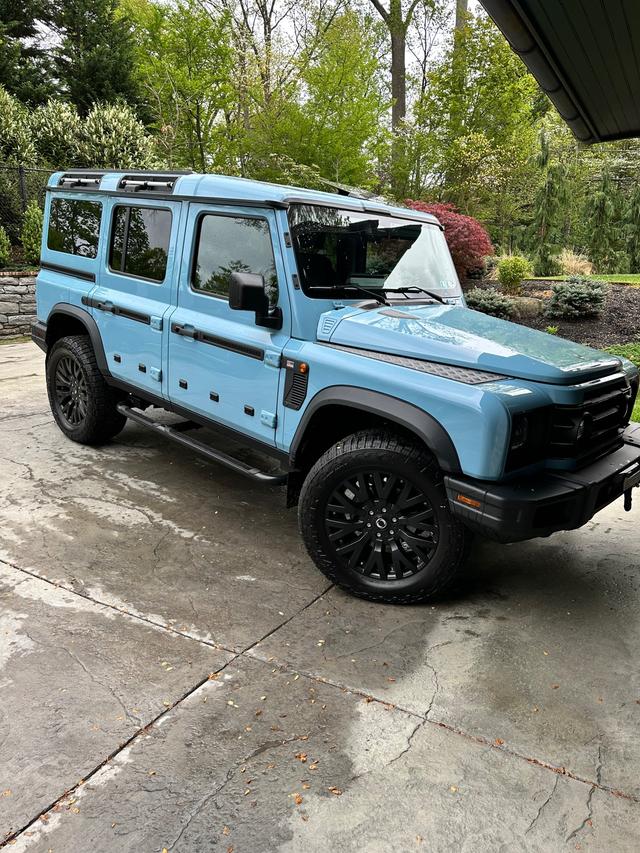
2024 INEOS Grenadier
Base • 3,300 miles
Ardmore, PA
$75,000

2024 INEOS Grenadier
Base • 4,200 miles
Bedford, VA
$74,000
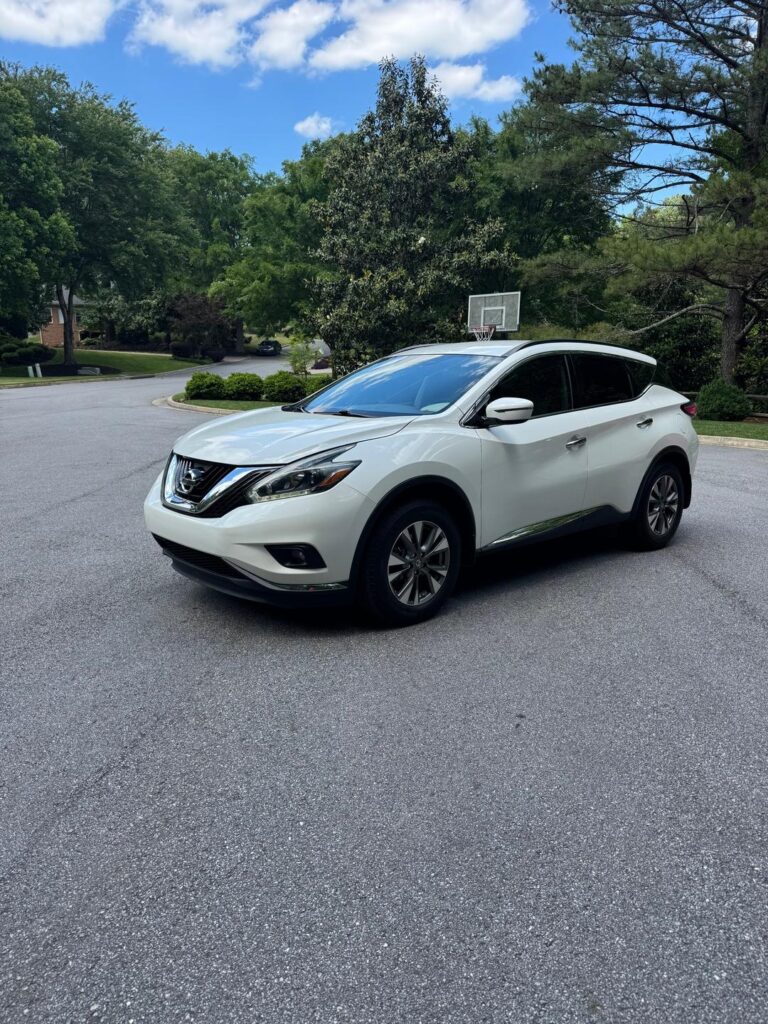
2018 Nissan Murano
Platinum • 78,500 miles
Atlanta, GA
$15,750
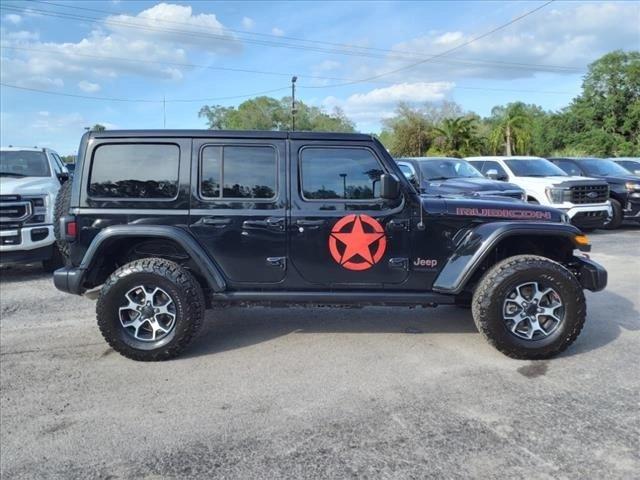
2022 Jeep Wrangler
Unlimited Ru • 41,235 miles
Ormond Beach, FL