

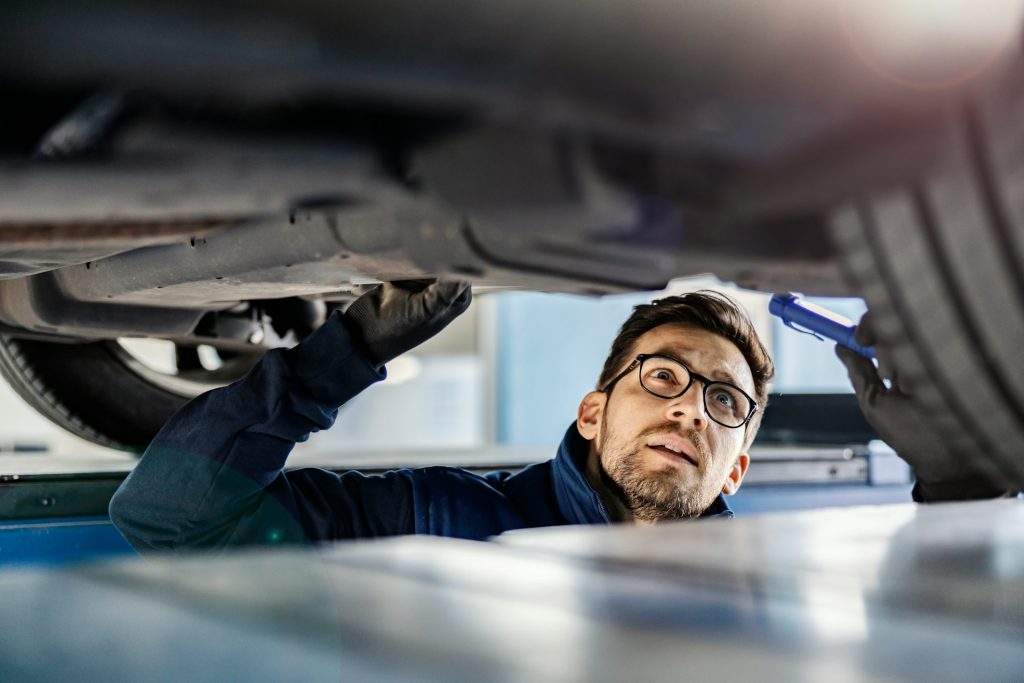
When you’re getting ready to buy a used car, everything can look good at first glance. The ad sounds promising, the photos make it look clean, and maybe the seller seems friendly. But before you hand over your money or even shake on a deal, there’s one last step you should never skip — the final inspection. It’s your last chance to walk through the car with clear eyes and make sure what you’re getting matches what was advertised.
A careful inspection helps you avoid surprises after the sale is done. Whether it’s wear and tear, old repairs, or hidden damage, spotting issues ahead of time gives you more control. You’re not just protecting your wallet. You’re also making sure your new ride is reliable and safe to drive. Here’s how to handle that final check before saying yes to the car.
Exterior and Interior Inspection
Start with what you can see right away. Walk around the car slowly during the day, and park it somewhere flat so you can look at it from every angle. Check to see if anything looks off or uneven.
Use this checklist during your walkaround:
– Look for any dents, scratches, rust patches, or spots where the paint doesn’t match. Different shades on different panels might mean it was repainted after a crash.
– Step back and check that doors and body panels line up evenly. Uneven spacing could be a sign of poor repair work.
– Inspect the windshield and all windows for cracks, chips, or signs of foggy moisture on the inside.
– Check the lights and lenses to make sure they’re clear, not hazy, broken, or filled with water.
– Look at the tires. All four should be the same brand and size. Tread should wear evenly. If one tire looks more worn, it might mean suspension or alignment trouble.
Next, get inside the car. Open each door and make sure the locks and handles work. Then sit in every seat. Look at the overall condition — rips, heavy stains, odd smells, or sagging headliners shouldn’t be brushed off. They might show how the owner cared for the car (or didn’t).
Focus on the interior like this:
– Try every button — windows, mirrors, locks, radio, climate control, and the infotainment system if there is one.
– Turn on the AC and heater. Make sure the air blows strong and evenly through all vents.
– Look at the dashboard for warning lights. When you turn the key to the on position, all icons should flash and then go off. If anything stays lit, that needs attention.
– Try the dome and interior lights to confirm they work.
– Press your hand into the carpet in corners, under mats, and near the seats to check for damp spots or moisture.
We heard from someone who got suspicious when a seller asked to meet at night in a dim parking lot. The car seemed clean at first, but when they looked during the day, they found bubbling paint near the wheel wells and damp padding under the carpet. That close check helped them dodge a bad deal.
So don’t skip the details. Bring a flashlight and ask questions if something looks patched, glued, or covered up.
Under the Hood Examination
Even if you’re not a car expert, you can learn a lot by peeking under the hood. You won’t have to pull anything apart or use special tools. Just take a slow look around and trust your senses.
Here’s what to check:
– Pull the oil dipstick. The oil should not look thick or black. Wipe it, put it back in, pull it again, and check the level.
– Look around for fluid leaks, especially near hoses or seals. A super clean engine could mean it was just wiped down to hide a leak.
– Gently squeeze hoses to feel if they’re firm but not brittle. Cracked rubber could wear out quickly.
– Inspect the belts for cracks or smooth shiny sections. Weak belts can fail out of nowhere.
– Check the battery. A little buildup on the terminals is normal, but heavy crust or a rotten egg smell (sulfur) is a bad sign.
– Smell around. If you catch burnt oil or rubber smells, there could be deeper problems.
If the vehicle has been sitting for a while, try a cold start. Turn the key and listen to how the engine responds. If it’s slow to start or clicks repeatedly, it might be a sign of battery or starter trouble. As the car idles, look at the RPMs and listen for anything strange like knocking or rattling.
This part might feel a little out of your comfort zone, but don’t rush it. Unusual smells, noises, or anything shaky deserve your attention before moving forward.
Test Drive Tips
After your visual and under-the-hood checks, it’s time to take the car for a spin. A good test drive can show you things that don’t show up while standing still.
Pick a route that includes different road types — smooth roads, rough surfaces, stop-and-go traffic, and somewhere you can get up to a decent speed. That variety shows you how the car acts in different settings.
Here’s what to watch for:
– Steering should feel smooth and direct, not shaky or hard to control.
– Brakes should work without squeaks or vibrations. The car should stop in a straight line and not pull to one side.
– Acceleration should be steady, not jumpy or slow. Hesitation might point to engine or transmission issues.
– Transmission shifts should be clean. If gear changes are jerky or delayed, that’s a red flag.
– No loud clunks or weird suspension sounds when hitting bumps or turning sharply.
– Pedals should respond well. Gas and brake pressure should feel firm and consistent.
– Make sure your view from the mirrors and windows is clear and feels comfortable.
– Try parking in a tight space or backing into a spot to get a feel for visibility and handling at low speeds.
Turn off the music while you drive. Quiet helps you hear anything that seems off — things like ticking, squeaking, or buzzing can hint at hidden problems. If something feels weird, ask the seller directly. You don’t have to rush if it doesn’t feel right.
Documentation Review
If the car looks and drives well, now’s the time to check the paperwork. This final moment is just as important as the test drive. Even if you feel good about the car, paperwork matters. Don’t be shy about asking for proof or looking closely at the documents.
Here’s what to double-check:
– VIN match: The Vehicle Identification Number should appear on the title, registration, and a plate on the car. These are usually found near the windshield or inside the driver’s side door. If they don’t match, walk away.
– Title status: Make sure it says clean. Titles marked salvage, rebuilt, or flood can have big problems. Look out for liens too.
– Maintenance history: Regular oil changes, tire rotations, or brake jobs show the car was cared for. Gaps in service aren’t always bad but might lead to questions.
– Vehicle history report: Check for past accidents or title issues. Reports may also show past owners and odometer concerns.
– Emissions or inspection: In many states, you’ll need proof that the car passed inspection. Ask about current stickers or certificates.
– Bill of sale: Make sure it lists the buyer and seller info clearly, includes the price, and is signed by both parties. That way, there’s no confusion later.
We heard from someone who found out after their purchase that the title and vehicle didn’t match. The dashboard had been replaced years earlier, but they never confirmed the VIN. Fixing the error slowed everything down and cost extra.
Looking through the documents might feel boring, but it will help you avoid headaches later. If the seller won’t give you clear answers or share records, that’s something to think twice about.
Trust Your Gut and Take Your Time
Putting all these checks together might take some time, but that attention up front protects your wallet and peace of mind. A used car can be a great deal when you take the steps to confirm it’s right for you.
Looking at everything from the tires to the title gives you more control. If it feels like something doesn’t add up, you’re not stuck — you can walk away. The right used car should feel solid, clean, and well-documented with no strange behavior on the road.
When that car checks all the boxes, you’ll know. Then all you’ll be focused on is enjoying the drive ahead.
With the right inspection and careful review, buying a used car can be a smooth and satisfying experience. Knowing what to look for helps ensure you drive away with confidence. If you’re ready to explore your options, PrivateAuto makes it easy to connect with the right used car listing and complete your purchase securely.
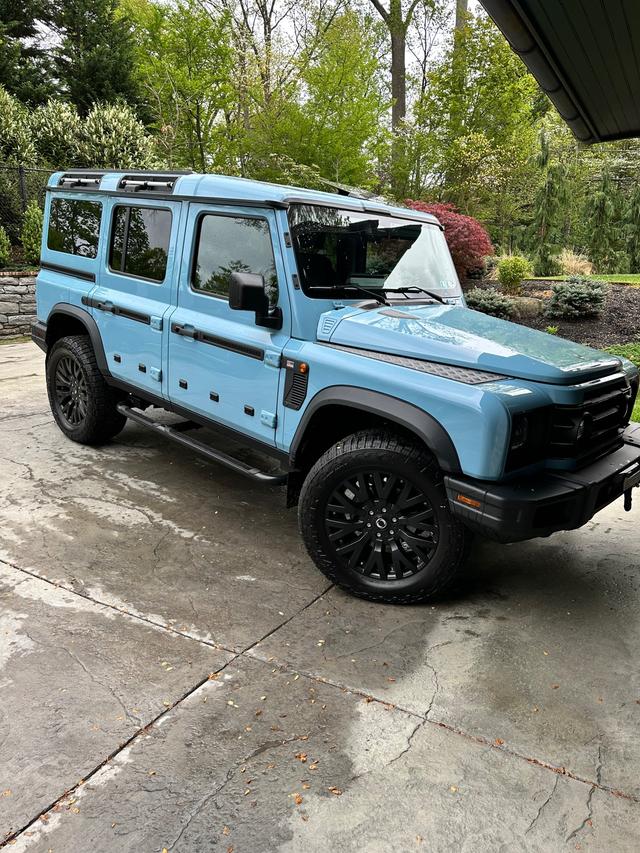
2024 INEOS Grenadier
Base • 3,300 miles
Ardmore, PA
$75,000

2024 INEOS Grenadier
Base • 4,200 miles
Bedford, VA
$74,000
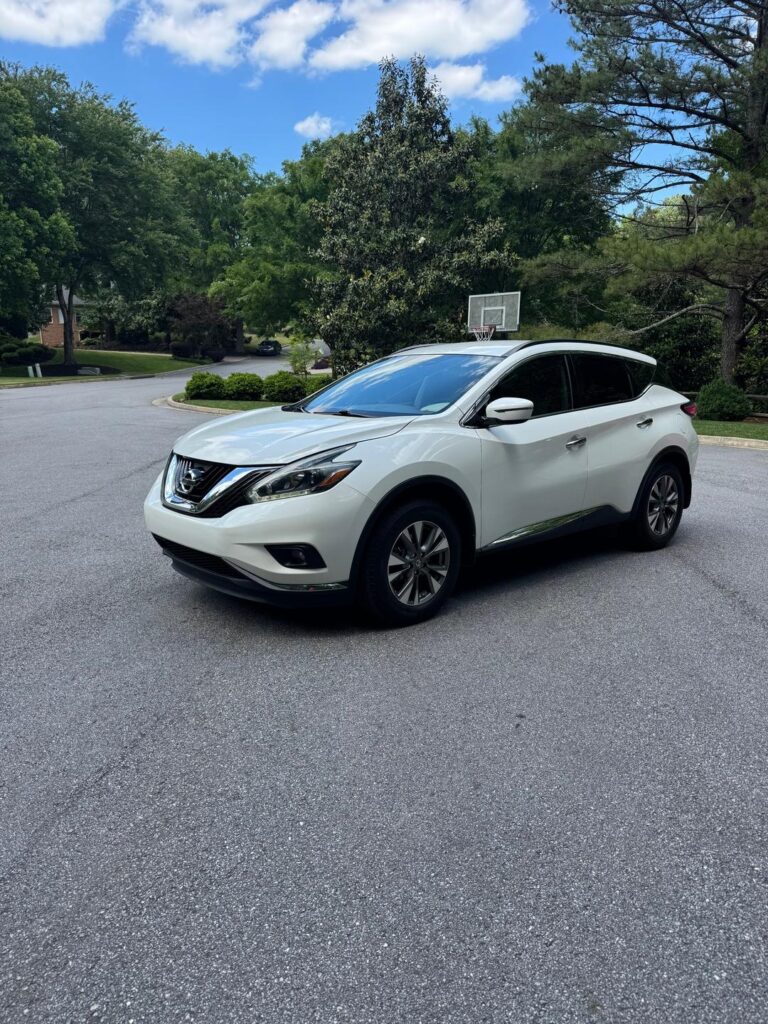
2018 Nissan Murano
Platinum • 78,500 miles
Atlanta, GA
$15,750
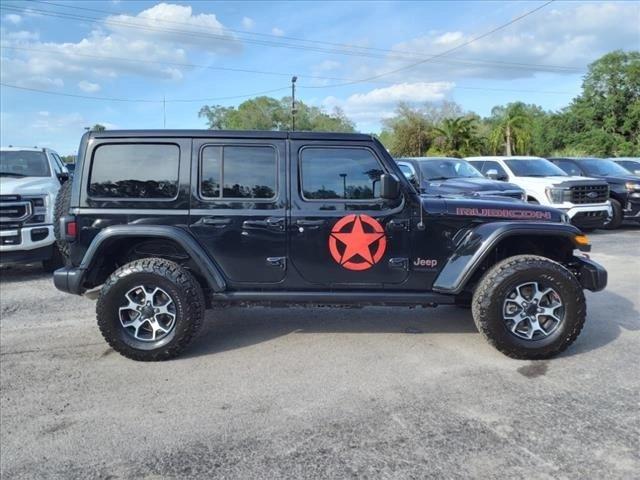
2022 Jeep Wrangler
Unlimited Ru • 41,235 miles
Ormond Beach, FL