


Turn Local Vehicle Listings Into Safer Deals
Local vehicle listings can be a smart way to get a good car without paying dealer markups. Summer makes this even more urgent. People are getting ready for road trips, campus moves, new jobs, and back-to-school runs, and they want wheels that fit their budget. Buying and selling locally helps keep things simple and close to home.
But the old meet-in-a-random-parking-lot plan comes with real risks. There are scams, fake payments, sketchy meetups, and titles that are not as clean as they sound. The good news is we do not have to accept that anymore. With the right platform and some modern tools, local private-party deals can feel organized and secure.
In this guide, we walk through how to pick safer local vehicle listings, how to vet the person on the other side, and how to handle payment and paperwork in a way that protects everyone.
Why Local Vehicle Listings Still Matter
Even with so many online options, buying and selling locally still has big advantages. When the car is near you, everything feels more real and less like a gamble.
Here is why local listings still make sense:
- You can see the car in person before you decide
- You can test-drive it on streets and highways you already know
- You skip shipping delays and surprise transport issues
- You handle the title and registration in your own state
For buyers, local deals can mean better negotiating power. Private sellers are not trying to cover showroom costs, and they are often more open to talking through price. During busy summer months, dealers may be low on stock, but local listings can open up more choices.
For sellers, local listings can help them get more from the car than a quick trade-in. They meet everyday drivers instead of only taking whatever number a dealership offers. That said, a lot of people still feel nervous about:
- Scam listings with fake photos or stolen ads
- Meeting a stranger with thousands of dollars at stake
- Not knowing how to handle the title or bill of sale
Local does not have to mean low protection. With the right process and platform, you can keep the hometown feel and add clear steps and safeguards.
Spotting Safer Local Vehicle Listings Before You Click
Your safety work starts before you ever send a message. The way a listing is written tells you a lot about how the deal will go.
Stronger listings usually include:
- A complete description: year, make, model, mileage, trim, and key features
- Realistic pricing that lines up with similar cars in your area
- Many clear photos from different angles, inside and out
- Notes about maintenance, repairs, and any known issues
- Simple, clear expectations about how to communicate
Red flags to watch for:
- Only one or two blurry photos, or photos that look like stock images
- A price that is way too low compared to similar cars
- Very short description with no details about condition
- Pressure to move fast before you can check anything
Once you see a car you like, cross-check the details. Ask for the VIN so you can run a history report. Compare the asking price to trusted pricing guides for your area and mileage. Make sure the VIN, year, model, and trim match what you see in photos and any records the seller shares.
It also helps to pay attention to where the listing sits. Platforms that require user accounts, offer in-app messaging, and have tools to report bad behavior add layers of safety. Anonymous classifieds or random social media posts, with no verification at all, leave you with less backup if something feels off.
Choosing Safer Buyers and Sellers From Local Listings
Behind every listing is a real person, and that person matters more than the photos. A clean car with a sketchy seller is still a bad deal.
Look for signs that the other party is serious and honest:
- Verified identity inside the platform
- Proof that they own the car, such as a title in their name
- Consistent info between the listing, messages, and documents
- Clear, calm answers when you ask direct questions
Before you ever meet in person, ask specific questions through the platform:
- How long have you had the car?
- What regular maintenance has been done?
- Any accidents or major repairs?
- What is the title status: clean, salvage, rebuilt?
- Is there a loan or lien on the car? If so, how will that be handled?
- Why are you selling or buying right now?
You are not being rude, you are being smart. Serious buyers and sellers expect these questions and will answer them without drama.
Platforms that support digital ID verification give everyone more confidence. When people know their identity is tied to their account, it is harder to hide behind fake names. In-app messaging also keeps a record of what was said and when, which can help clear up confusion later.
Secure Payments and Paperwork for Local Deals
Once you both decide to move forward, the biggest worry is usually money. Handing over large sums in person can feel risky, and old-school payment methods bring their own problems.
Common issues with traditional payments:
- Cash: hard to count, hard to verify, and not safe to carry around
- Personal checks: can bounce days later, leaving someone without a car and without money
- Cashier’s checks: can be faked, and it is tough to spot the difference
- Wire transfers: expose bank details and often require waiting and phone calls
More secure tools for instant payment inside a trusted platform can solve a lot of this stress. When funds are verified, moved instantly, and don’t require you to share account numbers, both sides can relax. The buyer knows the money only goes out when the deal is real. The seller knows the money is good the moment they hand over the keys.
Paperwork is just as important as payment. A safe local deal should always include:
- Matching names on IDs and the vehicle title
- Correct, state-specific title fields filled out in full
- A signed bill of sale that lists price, VIN, date, and both parties
- Lien release documents if there was a loan on the car
- Digital records, like photos or scans, stored in a safe place
Guided paperwork tools walk you step by step so you do not miss a line or box. That helps prevent title problems, rejected transfers, or later arguments about what was agreed.
Safer Summer Car Deals with the Right Local Tools
Summer is one of the best times to use local vehicle listings. Cars are easier to inspect in good weather, daylight lasts longer for test drives, and many people want to buy or sell before school routines kick in again. With a simple checklist, you can turn that busy season into a safer season.
Before you commit to any private-party deal, walk through this list:
- Is the platform built for verified users and secure messaging?
- Is the listing clear, detailed, and priced in a realistic range?
- Has the other person shared proof of identity and ownership?
- Is there a safe, instant way to move money without cash or checks?
- Is there guidance for filling out your state’s title and bill of sale?
Our team at PrivateAuto built our platform and mobile app around those exact steps. We bring digital ID verification, secure in-app chat, instant payment, and guided paperwork into one place, while you still meet locally and drive the actual car you are buying or selling. That way, you keep the comfort of local deals and add modern tools that make the whole process feel organized and protected.
Find Your Next Car With Verified Local Sellers
Browse our curated local vehicle listings to connect directly with real owners and skip the usual dealership markup. We give you secure messaging, identity verification, and built-in payment tools so you can buy with confidence. If you have questions about using PrivateAuto or need help with a specific listing, just contact us and we will walk you through the next steps.
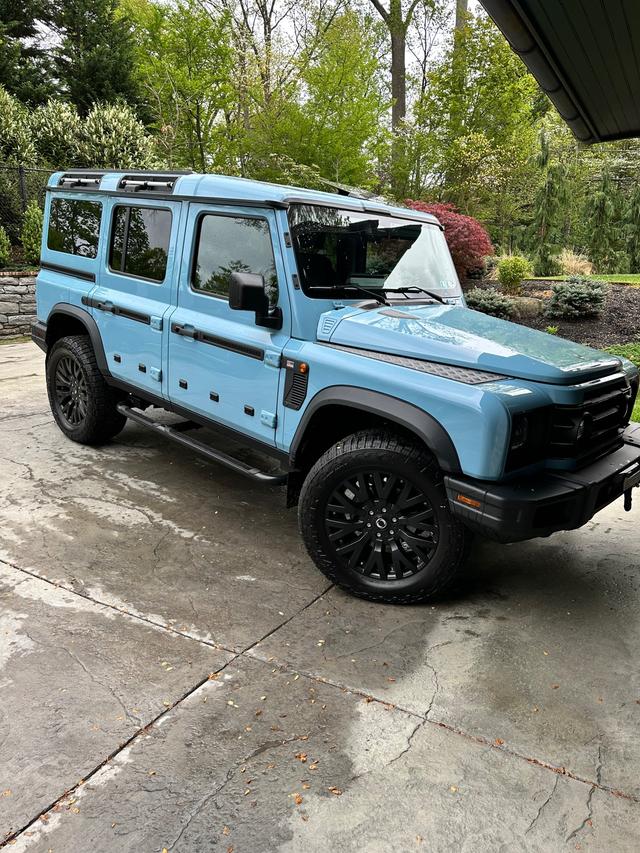
2024 INEOS Grenadier
Base • 3,300 miles
Ardmore, PA
$75,000

2024 INEOS Grenadier
Base • 4,200 miles
Bedford, VA
$74,000
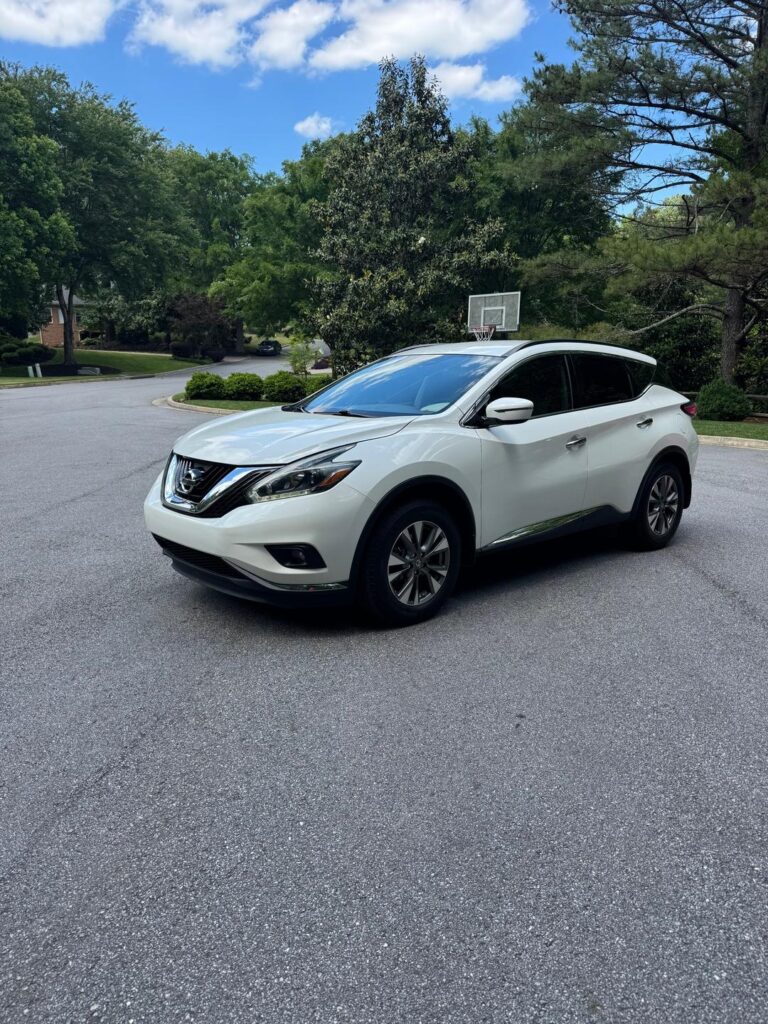
2018 Nissan Murano
Platinum • 78,500 miles
Atlanta, GA
$15,750
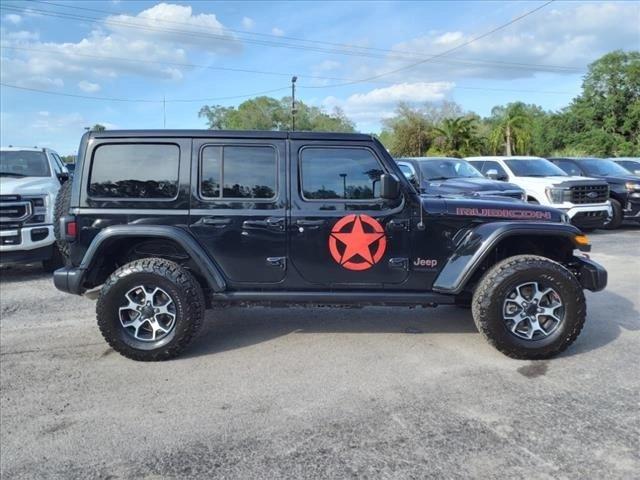
2022 Jeep Wrangler
Unlimited Ru • 41,235 miles
Ormond Beach, FL