

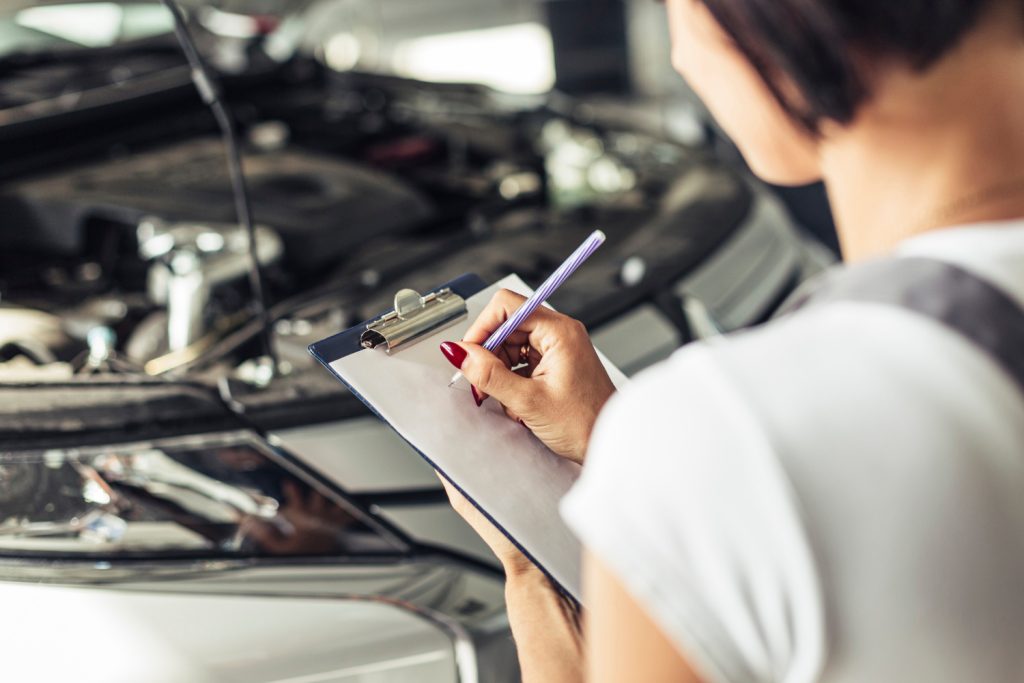
Buying a used car can come with a bit of uncertainty. You’re not just checking if it looks good or has a smooth ride — you’re trying to figure out if it’s a smart buy. That’s where a pre-purchase inspection steps in. It’s like a safety net that helps you know what condition the car is really in before you hand over any money. Whether you’re browsing through private auto listings or meeting a seller through a friend, a professional inspection can help you avoid future headaches and unexpected repair bills.
More buyers are turning to private listings to find deals on used vehicles. These platforms give people more freedom and usually fewer fees, but they also mean you don’t have a dealership backing the condition of the car. That’s why pre-purchase inspections are such a big deal. They give you the chance to make sure what you’re seeing on the screen matches what’s actually under the hood. It’s not just about trust. It’s about making decisions with as much information as possible.
Why Pre-Purchase Inspections Matter
Every car has a story. Some are well-maintained, others not so much. A pre-purchase inspection helps you understand that story before you commit. It’s your opportunity to learn what kind of shape the car is in right now, not just what the listing says. Here’s why that matters:
– Protecting Your Investment: You want your money going toward something reliable, not a future repair shop visit. Inspections can spot rust, poorly done repairs, or wear and tear that’s easy to miss unless you know what to look for.
– Uncovering Hidden Issues: Some problems aren’t visible to the everyday buyer. Faulty brakes, transmission troubles, or engine leaks can be missed without a trained eye. An inspection might catch them before it’s too late.
– Giving You Negotiation Power: If the inspection shows problems, that doesn’t always mean walking away. It can give you reasons to ask for a price adjustment or for those issues to be fixed before buying.
Let’s say you’re checking out a car with a clean title that looks great in photos and during a walkaround. But when a mechanic takes a deeper look during the inspection, they spot uneven tire wear that hints at suspension issues. That’s a repair you wouldn’t have seen coming and a perfect example of how an inspection can either save you some cash or stop you from buying a vehicle that needs expensive work.
Key Components Of A Pre-Purchase Inspection
A full inspection isn’t just a quick look under the hood. It’s a thorough check from bumper to bumper. A trusted mechanic will go through the car with a checklist that may seem long, but it’s there to help you make a confident choice. Here’s what they usually cover:
– Exterior and Interior: They’ll check for body damage, mismatched paint, windshield cracks, and signs of past accidents. Inside, things like seat condition, window function, and dashboard warning lights get a once-over.
– Mechanical and Engine Health: This includes looking at belts, hoses, fluid levels, and leaks. Worn engine parts and noises that point to trouble are easy to miss without this kind of inspection.
– Electronic Systems: Lights, navigation, climate control, power windows, and locks all get tested for proper function. These issues can be simple or costly, depending on the fix.
– Test Drive Observations: A test drive gives clues you won’t pick up while parked. The inspector checks for how the brakes feel, how the transmission shifts, and listens for odd sounds during turns or bumps.
These areas tell a lot about how a car has been cared for. Even little things like cracked rubber hoses or uneven tire wear often point to bigger maintenance issues. Together, they build a clearer picture of the car’s current shape and what to expect down the line.
Choosing A Qualified Inspector
Finding the right person to inspect your potential car is just as important as the inspection itself. It’s not enough for someone to say they know cars. You need a certified professional who understands what to look for and isn’t just glancing over the basics. A certified mechanic with experience in pre-purchase evaluations will know the difference between normal wear and something that signals trouble ahead.
Mobile inspection services are another practical choice growing in popularity. These services send a qualified inspector directly to the seller. This makes things easier, especially when you’re buying through a private seller and don’t want the hassle of moving the car to a shop. Mobile inspectors usually bring diagnostic tools with them, so they can run checks on-site and provide a clear overview of what you’re dealing with.
Trying to look the car over yourself might seem like a way to save money, but it’s often risky. Many issues are hard to spot without the right tools or training. You might not notice early signs of transmission problems or frame damage unless you’re a mechanic. It’s easy to overlook symptoms that are going to lead to expensive problems later on. That’s why hiring a pro is the safer bet. They don’t just help you spot issues. They offer peace of mind and can possibly save you thousands down the road.
What To Do With Inspection Results
Once you have your inspection report in hand, the question becomes: now what? A good report is more than a thumbs-up or thumbs-down. It should provide a breakdown of issues by severity, which gives you a chance to make a smart and fair decision.
Here’s how to work with the findings:
- Look for Major System Concerns: Look carefully at anything tied to safety or major mechanical functions. Brake problems, engine leaks, worn suspension parts, or electrical failures can be expensive and unsafe if not fixed.
- Review Routine Wear Items: Items like brake pads, tires, fluids, or filters are normal maintenance. It’s helpful to know about these ahead of time so you’re not surprised down the line, but these shouldn’t make or break the deal on their own.
- Ask Questions: Don’t just take the report as-is. Ask the mechanic what they think the car’s long-term outlook is and what repairs could wait versus which ones are urgent.
- Use the Info to Negotiate: If the inspection uncovers issues, you don’t necessarily need to walk away. Use what you’ve learned to ask the seller for a lower price or to take care of repairs before you finalize the deal.
- Know When to Walk Away: If there’s a long list of issues that will cost more than the car is worth to fix, listen to the inspector’s red flags. Sometimes the smartest thing you can do is move on.
You might look at a car that seems priced right and looks great, but after reviewing the inspection report, you realize the cost to repair everything knocks the value out of balance. On the flip side, a clean report can reassure you that you’re about to make a great buy.
How Private Auto Listings Can Work Smoothly
Buying from a private seller isn’t like walking into a dealership. There’s no sales manager, no service tech on standby, and no formal inspection guarantee. That’s why working with a seller open to inspection makes a real difference. It shows transparency and lets both sides move forward with less uncertainty.
Look for sellers who allow third-party inspections, and check if they’re comfortable meeting at a neutral location like an inspection shop or even their driveway if you’re using a mobile service. Honest sellers usually don’t have an issue with this process. If someone refuses, that might raise concerns worth thinking about.
Private sales give you the chance to get a better deal, but only if you’ve confirmed the car is worth the price tag. Inspections help level the playing field so you’re buying based on facts, not just hope. And when both buyers and sellers feel like they got a fair outcome, the process becomes a lot smoother across the board.
Peace of Mind Starts with a Pre-Purchase Inspection
Skipping a pre-purchase inspection to save time or money can backfire fast. You might get lucky, but you also might end up with a car that’s full of expensive problems. Spending a little up front gives you more control and fewer surprises. It’s a smart move whether you’re a first-time buyer or someone who’s been through this a few times.
A second set of trained eyes can give you facts that lead to smarter decisions. Inspections don’t just help you make up your mind. They help you stand by it. They bring confidence into a transaction that otherwise involves trust between two strangers. For used vehicles listed through individual sellers, that kind of confidence is invaluable.
If you’re looking to make the process of buying a used car smoother and more secure, PrivateAuto is here to help. Whether you’re searching for your next ride or comparing options, browsing through private auto listings can give you the control and transparency you need. Let us simplify your car search so you can feel good about your next move.
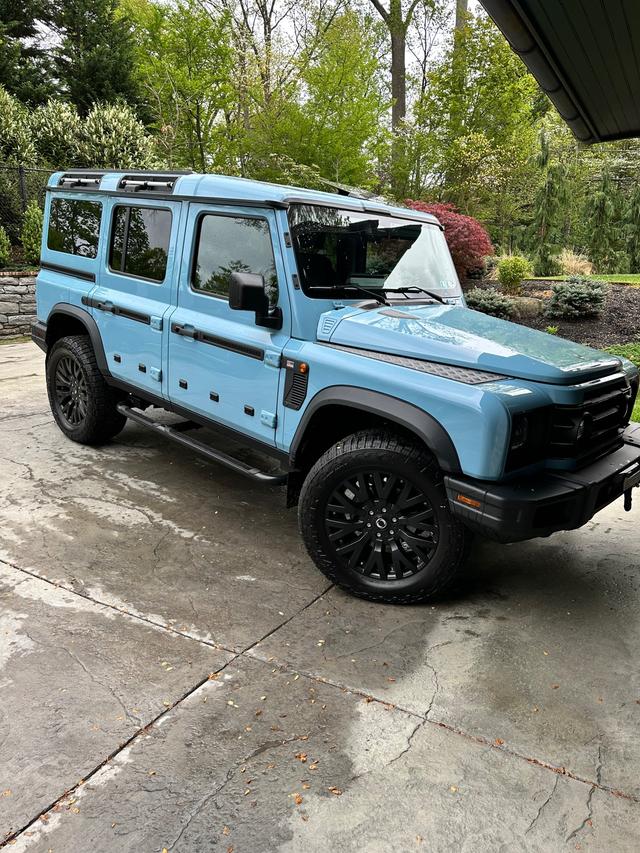
2024 INEOS Grenadier
Base • 3,300 miles
Ardmore, PA
$75,000

2024 INEOS Grenadier
Base • 4,200 miles
Bedford, VA
$74,000
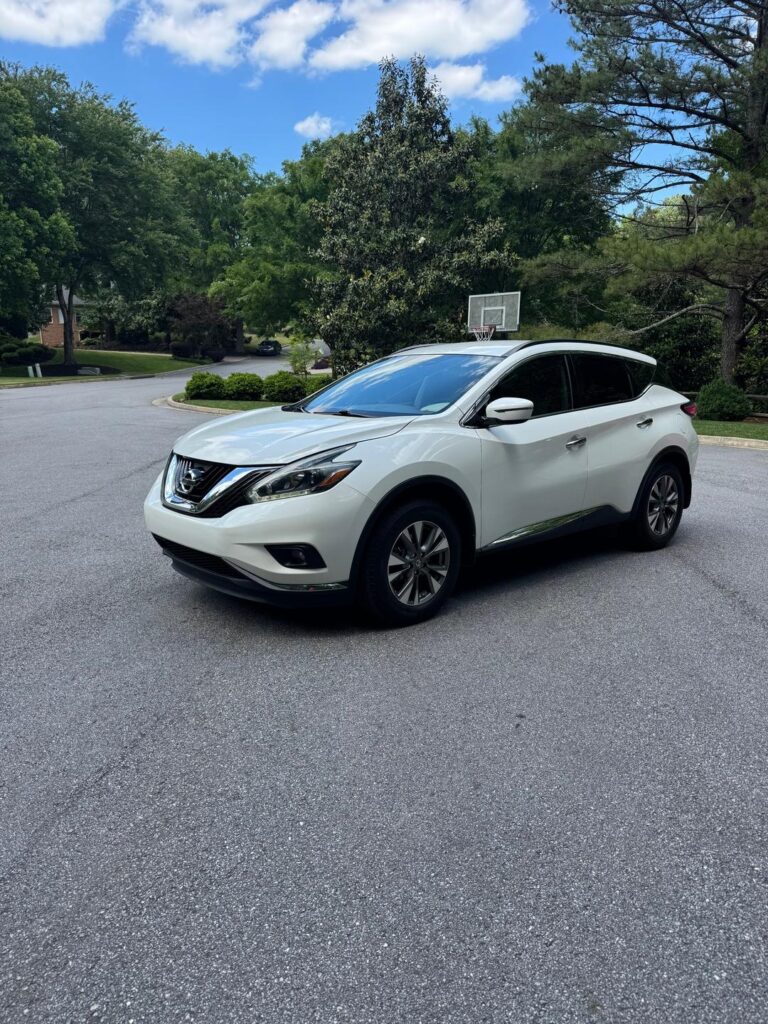
2018 Nissan Murano
Platinum • 78,500 miles
Atlanta, GA
$15,750
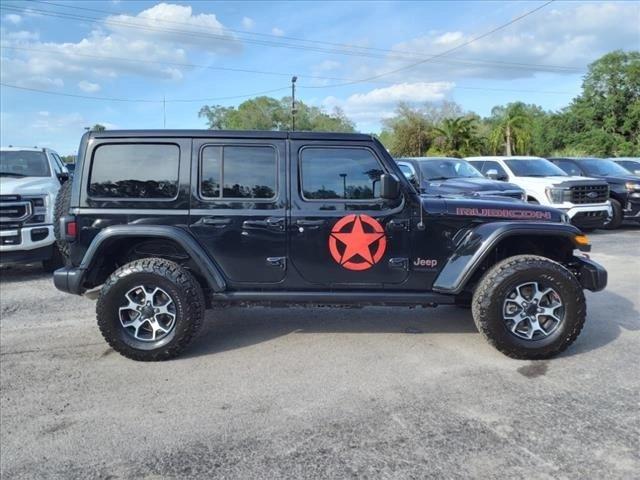
2022 Jeep Wrangler
Unlimited Ru • 41,235 miles
Ormond Beach, FL