


Buying or selling a car online may seem simple once you post a listing or scroll through available vehicles. But before any of that happens, there’s something a lot of folks skip—looking at the current car market. Knowing how the market is behaving can help you time things better, set smarter price expectations, and avoid getting stuck with a bad deal. Whether you’re thinking about selling your ride or browsing for your next one, understanding what affects car prices can save you time and money.
A smart move is starting with car market analysis. This sounds complicated, but it just means checking out what’s happening with supply, demand, prices, and trends. The more information you have upfront, the better your choices. When you’re buying or selling online, it’s even more important because you might never meet the other person face to face. So instead of guessing, let’s go over how the market works and what tools you can start using right away.
Understanding Market Trends
Market trends show the direction things are moving in the car world. These trends can help sellers figure out how much to list their car for and help buyers decide when it’s worth jumping on a deal. Some trends are easy to see, like price drops on older models. Others are more influenced by changes that happen over time.
One big thing that shapes trends is the season. For example, convertibles and sports cars usually get more attention in the spring and early summer. Trucks and SUVs tend to be more popular in months when snow or bad weather are common. By understanding this, sellers can time their listings to match buyer interest, and buyers can figure out when demand might be lower and prices better.
There are other parts that play into it, too. These include:
– Fuel prices: Gas prices can shift what cars people want, like favoring hybrids when fuel costs are higher
– New vehicle releases: When new models come out, the older ones often go down in price
– Loan rates: When loan interest rates go up, fewer people want to take on high monthly payments
– Lifestyle shifts: People move, change jobs, or want cars that fit phase-of-life changes like having kids or retiring
Watching these patterns helps you pick the right moment to buy or sell. For example, if a family-size SUV is in high demand going into winter, that’s a smart time to list yours. On the flip side, if you’re buying, it might be better to wait until demand drops in late spring.
Utilizing Online Tools For Analysis
Today, finding out what’s going on in the car market doesn’t require guesswork. There are online tools that can help you spot trends, set fair prices, and compare what other people are doing across the country.
Here are a few tools and what they’re useful for:
- Price calculators: These take into account year, make, model, mileage, and location to give you an estimated value
- Listing sites: Browsing other listings gives you a sense of what people are asking for similar cars in your area
- Market heat maps: Some platforms show where demand is high and where cars are taking longer to sell or showing price drops
- Vehicle history reports: These give a peek at a car’s background, which plays a big role in pricing. The cleaner the history, the higher you can price it
- Time-on-market trackers: Some websites show how long similar models have been listed and whether sellers are lowering their prices
To get the most out of these tools, set aside a little time and dig into actual listings—not just the ones with the lowest or highest prices, but the average ones that really reflect what’s working. For example, when looking to sell a used sedan, don’t just focus on the ones everyone else is listing. Look at which ones are getting marked as sold. That shows demand.
It helps to check more than one site. If you’re in a hurry, skip the all-in-one calculators and look directly at cars that closely match your own. Make note of patterns in pricing, like whether newer models are getting multiple offers while older ones with higher mileage sit for longer.
These tools don’t take long to learn, and they give buyers and sellers a serious edge. Making sense of them just takes patience and an eye for patterns. When combined with current market trends, they’ll help you make smarter, better-timed decisions.
Comparative Analysis Of Car Models
Once you’ve got a grip on the market and used some tools to see pricing trends, the next smart move is comparing car models directly. If you’re buying, it helps you see which cars are giving you the most for your money. If you’re selling, it shows how your car stacks up against others like it.
Let’s say you’re looking at mid-size sedans. Start by picking a few common models in that group. Look at their pricing, but also things like how much mileage is too much for each model before value starts to drop fast. Features like a backup camera, leather seats, or all-wheel drive can also affect value, depending on the demand.
Here’s one way to compare cars step by step:
- Pick three to five similar models from the same category
- Check their price ranges using a few listing sites
- Look at features and trim levels. Some trims hold value better than others
- Compare average mileage for each model and what kind of condition you’re seeing listed
- Pay attention to resale values by scanning listings that sold within days versus the ones that have been sitting for weeks
By laying it all out, patterns start to show. You might notice one model around the same age and mileage sells for more just because it has a better reliability reputation or slightly better gas mileage. Sometimes even the color matters. Neutral colors tend to sell faster than bold ones.
If you’re comparing your own vehicle against others for sale, be realistic. Look at more than just the asking price—consider whether your car has similar features, how many owners it’s had, and any damage history. Pricing your car too high compared to others in the same shape can push buyers away fast.
Leveraging Historical Data For Better Forecasting
Raw data from today’s listings is helpful, but looking at how things have changed over time can say even more. Historical data shows what certain vehicles used to sell for in different seasons, how long they took to move, and what impacted their resale performance.
Websites that focus on car pricing often have tools or charts that give insights into values from six months or even a year ago. Some platforms gear this toward dealers, but public users can still find enough to get a sense of what’s typical.
Here’s how using past sales data can help:
– See how long it usually takes similar cars to sell
– Find out if your vehicle’s price goes up during specific times of the year
– Spot any drops in value that seem to repeat each year
– Track price shifts after a new generation or redesign enters the market
Let’s say a used electric vehicle did well in mid-spring over the last two years but slowed down dramatically by November. That pattern matters if you’re thinking about selling. Or maybe a specific model shows fewer listings in your area around fall, giving your car more visibility that time of year.
Buyers can use this too. If the price of an SUV dips every year by late summer, that might be your window to buy. Keeping track of those patterns month to month could make a big difference, especially on something like a second car or primary family vehicle where you don’t need to rush.
Making Informed Decisions With Data
Once all these methods come together—understanding trends, using research tools, comparing specific cars, and checking past data—you’re in a much better position to make smarter calls. A good decision doesn’t happen just by looking at price tags. Context matters too.
For sellers, this info helps you list your car when buyer interest is strong and price it based on real comparisons, not just hope. For buyers, it can prevent overpaying or dealing with overpriced listings just because you weren’t sure what a fair number looked like.
When all the puzzle pieces come together, decisions don’t feel rushed. You’ll know where your car sits on the spectrum or what you can stretch your dollar to buy. There’s confidence behind your choices, and that leads to fewer regrets later.
The Smartest Way To Approach Car Deals
The used car market shifts all the time. That’s why it helps to arm yourself with smart information before jumping in. Whether you’re hoping to sell your vehicle quickly or trying to score a deal on your next ride, taking the time to understand pricing trends and model comparisons puts you ahead of the game.
Going slow at the start, doing the research, checking different models, and watching the timing can lead to faster results in the end. You’ll avoid common pricing traps, skip models that don’t hold their value, and discover what buyers or sellers are really looking for.
Choosing when and how to list or buy isn’t just about luck. It’s about reading the signs and using what’s already out there to your advantage. The more effort you put into your analysis, the less guesswork you’ll need to rely on when it’s time to make a move.
To make your car buying and selling experience as smooth as possible, try using PrivateAuto. Our platform ensures safety and ease in every transaction. If you’re ready to buy and sell car online, explore how our tools can help you make confident, informed decisions without the hassle.
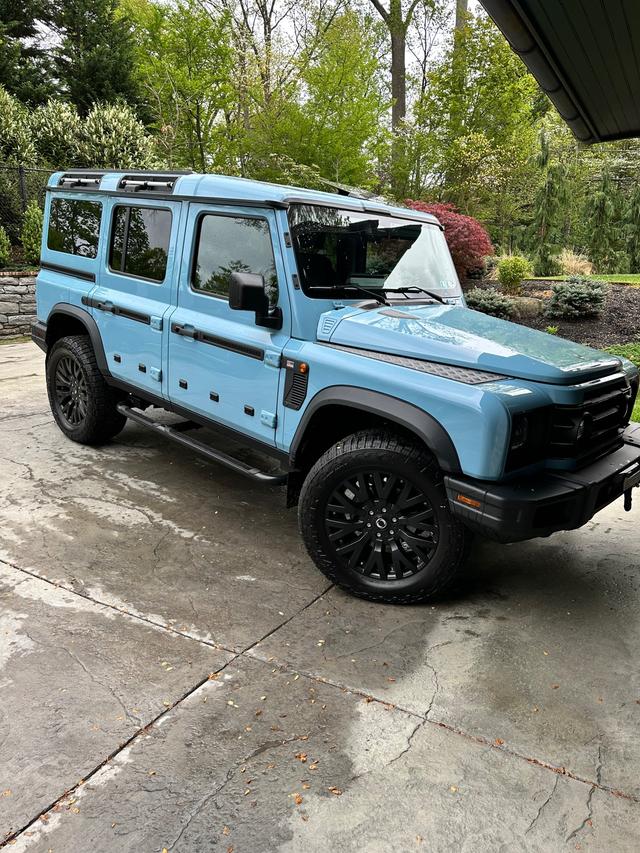
2024 INEOS Grenadier
Base • 3,300 miles
Ardmore, PA
$75,000

2024 INEOS Grenadier
Base • 4,200 miles
Bedford, VA
$74,000
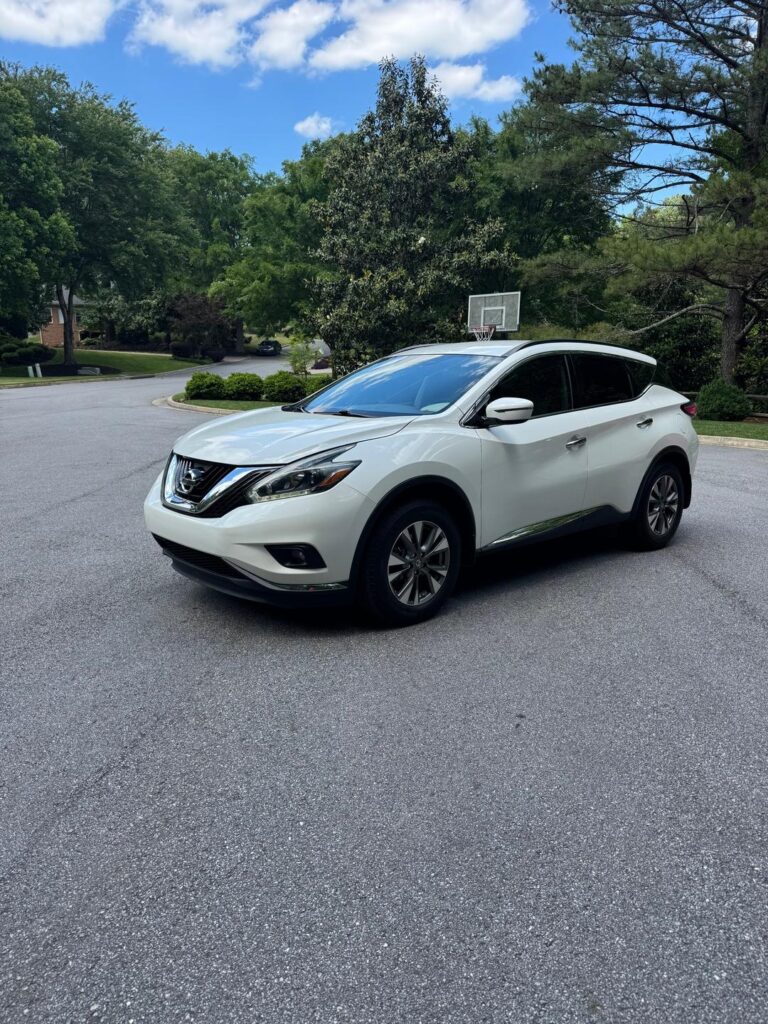
2018 Nissan Murano
Platinum • 78,500 miles
Atlanta, GA
$15,750

2022 Jeep Wrangler
Unlimited Ru • 41,235 miles
Ormond Beach, FL