

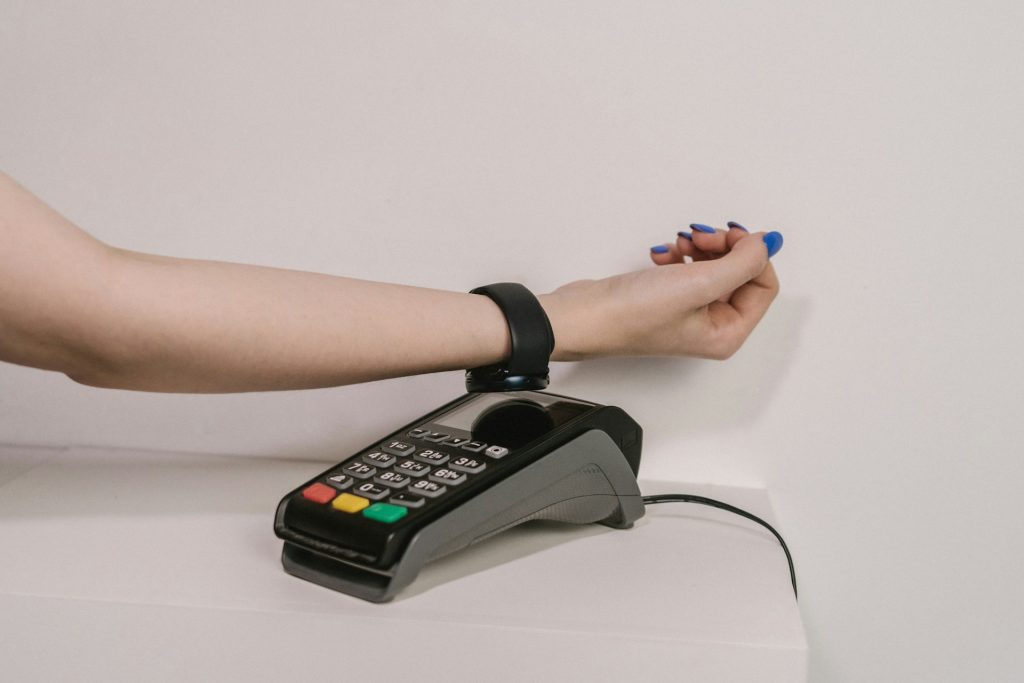
Spring is prime time to sell a car. The weather is nicer, people want new rides, and listings pick up fast. That also means more rushed meetups, strange payment methods, and chances for things to go wrong with money. Choosing the right cashless payment can be the difference between a smooth deal and a mess that keeps you up at night.
Here at PrivateAuto, we spend a lot of time thinking about how people actually buy and sell cars in real life. In this guide, we will walk through the main cashless options, what makes a payment truly safe, and how to plan your sale so you are not guessing at the curb with a stranger waiting.
Stop Risky Meetups: Choose Safer Cashless Options
Think about a warm Saturday in late spring. You meet a buyer in a parking lot. They bring a thick envelope of cash or want to use some random app you have never used for a big transfer. Your stomach drops a little. Is this safe? Is the money real? Is the app going to hold the payment?
Now picture a different scene. You meet in a public spot, you both already agreed on a clear, secure payment method, and you can see funds clear while you sit in the car going over the paperwork. No stress, no guessing, no awkward trip to the bank.
More buyers and sellers want that second version. As private sales grow, people are less willing to take chances with large amounts of cash or unverified digital payments, especially in busy selling seasons like late spring and early summer.
In this post, we will compare how different cashless methods work, including limits, fees, timing, and protection, so you can walk into your sale with an actual plan, not just a hope.
What Safe Really Means in a Private Car Payment
When we talk about secure payment for private car sales, we are really talking about four main ideas:
- Identity verification, knowing who you are dealing with
- Payment finality, money that cannot be pulled back once the car is gone
- Fraud protection, tools that lower the odds of getting scammed
- Clean records, clear proof of what was paid and when for title and tax purposes
A lot of trouble comes from simple confusion. Some common myths:
- A screenshot of a transfer is not proof of real money
- A “pending” alert from a bank or app is not cleared funds
- A cashier’s check is not always safe; there are many fakes
There is a risk spectrum across payment types:
- High risk: cash in person, personal checks, money orders from unknown sources
- Medium risk: basic P2P apps with low limits and weak ID checks
- More controlled: bank wires, verified instant transfers, and purpose-built platforms
Your goal is to move closer to the controlled side, where identity and money can be trusted before you hand over the keys.
Comparing Bank Wires, Zelle, Cashier’s Checks, and Apps
Bank wires are a common option for bigger car sales. They feel serious, and they usually are, but there are details to know:
- Limits can vary by bank and account type
- Many banks have weekday cutoff times for same-day wires
- Wires are often treated as final, but there can be rare recall attempts or fraud cases
- Banks usually do not offer strong help in simple person-to-person sale disputes
Zelle and similar P2P tools are built for fast payments, not major vehicle deals:
- Daily limits are often lower than the price of a car
- “Instant” can still mean some waiting or review
- If money is sent to the wrong person, there is often little recourse
- Many banks treat these like cash, with very little protection if something goes wrong
Cashier’s checks and money orders used to be the “safe” answer. Today, fakes are more advanced. A bank may show funds as “available” right after you deposit, but that does not mean the check is final. It can take time for a fake to be found, and then the bank can reverse the deposit.
Mobile payment apps like Venmo, PayPal, and Cash App also sound handy. But:
- Larger amounts can trigger reviews or holds
- Some charge fees for certain types of transfers or instant withdrawal
- Many limit motor vehicle sales in their terms or give weak coverage for them
- Buyer protection on some apps can even work against the seller in a car deal
Credit Unions, Escrow, and Marketplace Wallets
Credit union transfers can be a helpful middle ground if both parties use the same institution. In-branch transfers or internal moves can be:
- Fast, since the money stays inside one system
- Easier to confirm in real time with staff nearby
- Limited by branch hours, holidays, and transfer caps
Traditional escrow services hold the buyer’s money until the seller delivers the car and both sides agree the deal is done. This can be safer than random payments, but:
- There are fees
- Money can be held for a set period
- Fake escrow sites are a real scam tool, so you must be very careful about which one you use
Marketplace or in-app wallets, built for auto transactions, can bring several pieces into one place. They can:
- Tie payments to verified user accounts
- Use transaction limits that fit car prices
- Give a guided process so both sides know the next step
Platforms like this cut down user error and reduce fraud exposure, because they are designed around the way real car deals work.
Why Purpose-Built Auto Payment Platforms Stand Out
This is where PrivateAuto comes in. Our platform is built just for private party car sales, not for random one-off payments. We focus on three big pieces.
First, identity. Buyers and sellers go through ID verification, which gives both sides more confidence. In-app messaging keeps all conversation in one place, tied to the verified accounts.
Second, payment. PrivateAuto Pay provides instant transfer of funds between buyer and seller bank accounts, paired with transaction limits that actually match vehicle prices. Once the money moves, it is not subject to chargebacks the way some general-purpose apps can be.
Third, paperwork. We include a guided digital bill of sale, odometer disclosure, and state-specific documents. The whole transaction creates an audit trail that can help if the DMV or tax agencies have questions later.
Your Step-by-Step Game Plan for a Safe, Cashless Sale
Start before you ever meet the buyer. Pre-meeting prep should include:
- Decide which payment method you will accept
- Confirm limits and any fees with your bank or credit union
- Screen the buyer with simple questions and basic ID checks before test drives
- Plan a public, well-lit meeting spot, especially during busy late-spring weekends
On the day of the sale, follow a clear sequence:
- Re-verify IDs and compare with the person in front of you
- Confirm the vehicle details you agreed on: price, VIN, mileage, condition
- Initiate payment using your chosen method, inside a secure app or your bank
- Wait until you see confirmed funds, not just a pending alert or screenshot
- Only then, sign the title and digital or paper paperwork and hand over the keys
Finishing a private sale should feel calm, not rushed. By choosing a secure payment for private car sales, using a purpose-built platform like PrivateAuto to bring identity, money, and paperwork into one flow, you can avoid common scams, cut down delays, and enjoy that moment when both sides walk away confident.
Protect Your Car Sale With Secure, Verified Payments
If you are ready to sell or buy a car privately without worrying about cash, checks, or bank delays, we can help you close the deal safely. Learn how our platform handles secure payment for private car sales so both parties are protected at every step. At PrivateAuto, we combine identity verification, banking integrations, and digital records to give you confidence in every transaction. Have questions about a specific deal or situation? Just contact us and our team will walk you through your options.
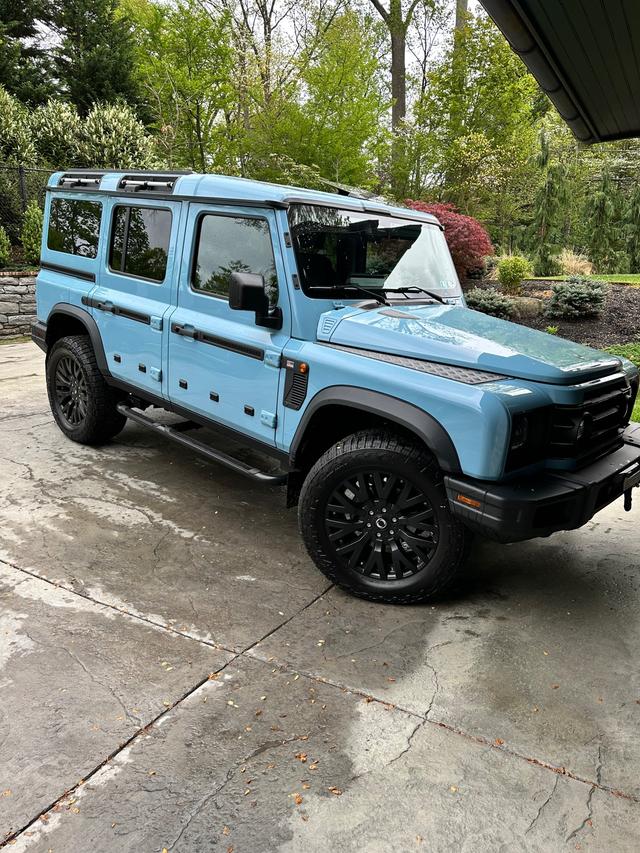
2024 INEOS Grenadier
Base • 3,300 miles
Ardmore, PA
$75,000

2024 INEOS Grenadier
Base • 4,200 miles
Bedford, VA
$74,000
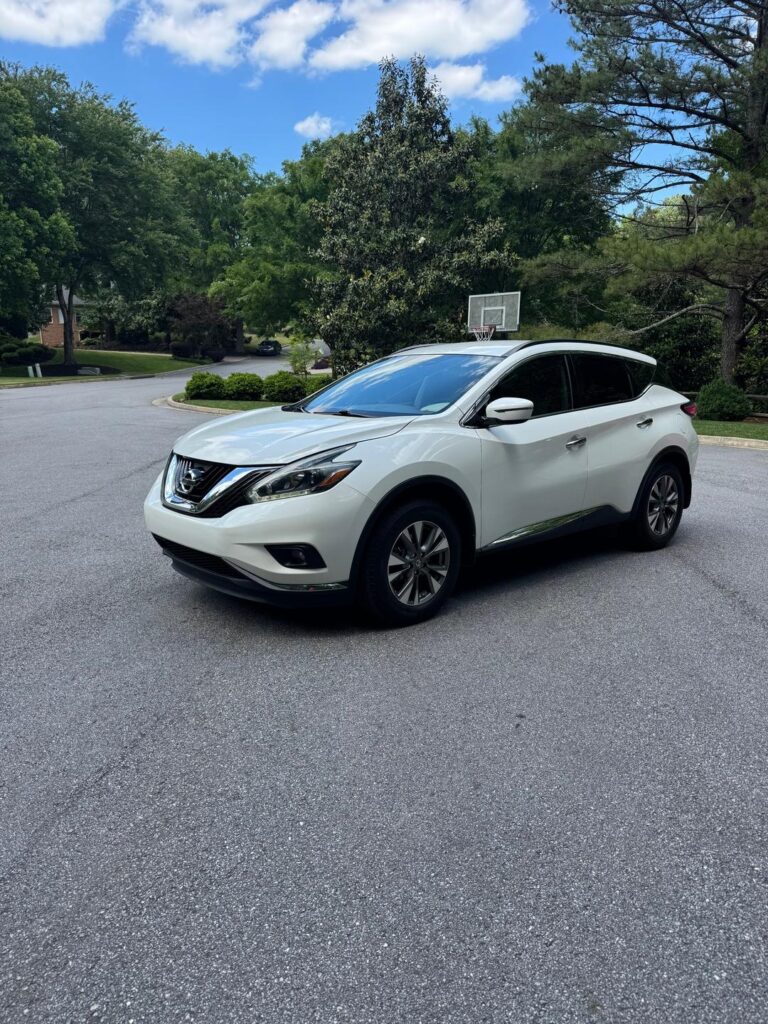
2018 Nissan Murano
Platinum • 78,500 miles
Atlanta, GA
$15,750
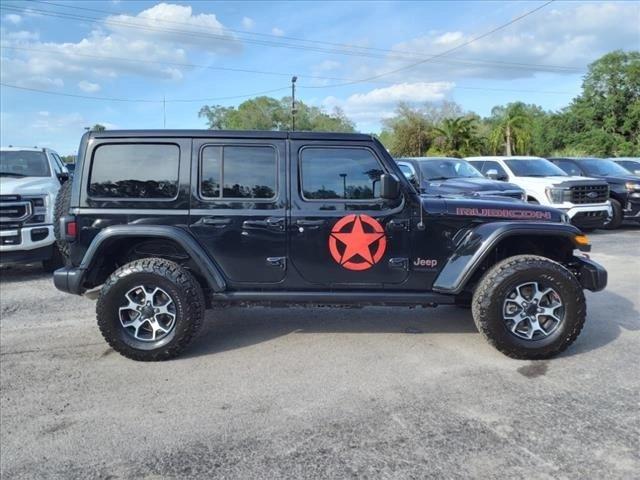
2022 Jeep Wrangler
Unlimited Ru • 41,235 miles
Ormond Beach, FL