

When you’re selling a car privately, getting through the final stretch can bring a lot of questions. You want to make sure the sale goes smoothly, the buyer is legit, and the transfer of ownership is done correctly. It doesn’t help that people are usually anxious about either losing money or falling into some kind of sketchy situation. That’s why understanding the right steps makes a big difference. The smoother you handle the finish line, the less chance there is for something to go wrong.
Private buyers and sellers used to rely on trust and handshakes, but that’s not really the case anymore. Whether you’re letting go of an old car or buying your next ride, a clear set of steps helps bring more peace of mind. From documents and cleaning to payment and keys, each piece plays a role in wrapping up the deal the right way. You don’t need to be an expert. It just takes a little preparation, some level-headed thinking, and the right tools to finish strong.
Preparing For The Sale
Before diving into any conversations or meetings, there’s some groundwork that needs to be done. If you’re the seller, this is the time to get everything organized and present your car as honestly and clearly as you can. Buyers can tell when things feel rushed or incomplete, and that can turn them away before they even take a test drive.
Here’s where to start:
- Documents: Gather your paperwork ahead of time so it’s ready when someone shows interest. You’ll need the title, registration, any loan payoff documents if the car’s not paid off, and your state’s required forms for selling a car. If you’re unsure what your state needs, it helps to check before listing your vehicle.
- Cleaning and Appearance: You don’t need a full vehicle detail, but giving the interior and exterior a solid cleaning helps. Remove trash, wipe down the surfaces, and wash the outside. Clean cars give buyers a better first impression and show that you cared for the vehicle.
- Set a Fair Price: Take a look around online and see what similar cars are selling for. Try not to go by guesswork or what you personally think the car is worth. Your price should reflect its condition, mileage, age, features, and any recent maintenance or repairs.
- Minor Fixes: If there are small, inexpensive things that can be fixed without much effort like a burned-out light, loose trim, or low tire pressure, get those addressed. Fixing the little things can help you avoid delay or haggling down the line.
- Be Ready for Questions: Buyers may ask about accident history, maintenance records, ownership length, and why you’re selling. Answering these clearly and confidently can build real trust from the start.
One seller had a car on the market for weeks without any luck. After they cleaned it up, reworded the listing with better detail, and got the owner’s manual and service records together, they got responses the same week. It really is about the full picture, not just the price.
Verifying Identities And Setting Up Meetings
Once someone is interested and ready to talk, the next step is making sure you’re both who you say you are. This might feel strange if you’re new to private sales, but it’s a simple step that can help you avoid a lot of trouble. When you’re dealing with people online or even through referrals, you never know who you’re talking to until things are verified.
Here are a few smart ways to make that happen:
– Ask to see a photo ID. It doesn’t matter if they’re the buyer or the seller. This confirms you’re not wasting your time.
– Make sure the name on the title or vehicle documents matches whoever you’re meeting with. If it doesn’t, something might be off.
– Use platforms that support ID verification to add another layer of safety.
When it’s time to meet, suggest a public place with good visibility. Some people like meeting outside a local police station or grocery store parking lot during daylight hours. You can also consider spots that offer camera surveillance or plenty of foot traffic. If a potential buyer wants a test drive, ride along with them or bring a friend. Never hand your keys over to a stranger without being in the car.
Clear communication helps here, too. Be direct when picking a time or place, and don’t hesitate to ask questions or speak up if something doesn’t feel right. The goal is to keep both sides comfortable and confident through each step. Everyone benefits when there’s structure and safety built into the process.
Negotiating The Sale
Now comes the part where you and the buyer try to settle on a price. This doesn’t have to be awkward. The better prepared you are, the easier it is to keep things calm and straightforward.
Start by knowing your bottom line. What’s the lowest amount you’re willing to take? Having that number in mind before the conversation prevents you from agreeing to something you’ll regret. If your car is priced fairly based on research and condition, most buyers won’t try to lowball, though there’s always a chance.
Here are a few reminders for smoother negotiating:
– Stay focused on facts. Mention recent maintenance, low mileage, or new tires instead of making emotional claims like saying how much the car means to you.
– Let the buyer speak first once they’ve taken a look or test driven the car. This gives you the chance to hear their concerns or questions before responding.
– Be ready for counteroffers. If someone makes an offer that’s lower but still close to your asking price, it may be worth it to accept or meet halfway.
– Avoid pressuring or rushing the conversation. People need space to decide, and pushing too hard can lose the sale.
Let’s say someone offers $800 below your listing price and says it’s all they’ve got. Rather than rejecting it immediately, ask why. If the reason makes sense and you were planning to accept a little less anyway, that could be your deal. If not, thank them for the offer and let them know you’re firm, but keep the conversation friendly.
Completing The Transaction
Once a price is agreed on, it’s time to handle payment and paperwork. This step needs your full attention. Nothing drags out a good transaction like missing forms or unclear payment details.
The safest option is a direct transfer where money moves between accounts instantly without requiring physical cash or checks. Both parties might prefer this route because it avoids bank runs, receipts, and delays. Whatever method you choose, make sure it’s one that protects both sides.
As for paperwork, every state has its own requirements, so take a moment to double-check what’s needed. Common forms include:
– Vehicle title (must be signed and completed properly)
– Bill of sale
– Current registration (if required)
– Odometer disclosure (especially for vehicles under a certain age)
– Release of liability or notice of transfer
Once signed, keep a copy of everything for your records. Don’t hand over the keys until payment is received and all forms are completed. It’s easy to overlook one signature or forget a box, so take your time before calling it done.
Ensuring A Smooth Handover
The final meetup is your chance to make sure the deal wraps up on a solid note. Don’t rush this part. A good handover can prevent problems down the road.
Here’s what to cover:
– Walk around the car together one last time. If there’s anything the buyer overlooked, point it out before passing off the keys.
– Go over the controls, spare key if you have one, owner’s manual, and anything extra like a remote start system or stored maintenance records.
– Make sure the buyer knows next steps on their end like visiting the DMV, paying taxes, and registering the car in their name.
It’s also smart to take a quick photo of the signed title and bill of sale after everything’s handed over. This gives both parties peace of mind and keeps a clear record of what’s been done.
If the car had removable items you’re keeping, like license plates or toll transponders, collect those beforehand.
Your Next Private Sale Can Be Even Easier
Selling a car doesn’t have to feel like a gamble. With the right prep and a step-by-step plan, you set yourself up for a safe, clear, and efficient sale. Start by organizing your documents and cleaning your car. Meet buyers in safe spots, and stick to verified communication. Stay calm during offers, don’t rush into anything, and take the time to get all the paperwork done right.
The reward for doing it all properly? Less stress, fewer surprises, and a finished sale that everyone feels good about. Whether it’s your first time or you’ve done this before, following the right steps helps you move forward with confidence.
For all of your car buy and sell needs, PrivateAuto offers a secure, user-friendly platform that makes it easy to connect with trusted buyers or sellers. Whether you’re closing a sale or searching for the right vehicle, you can count on PrivateAuto to simplify the process every step of the way.
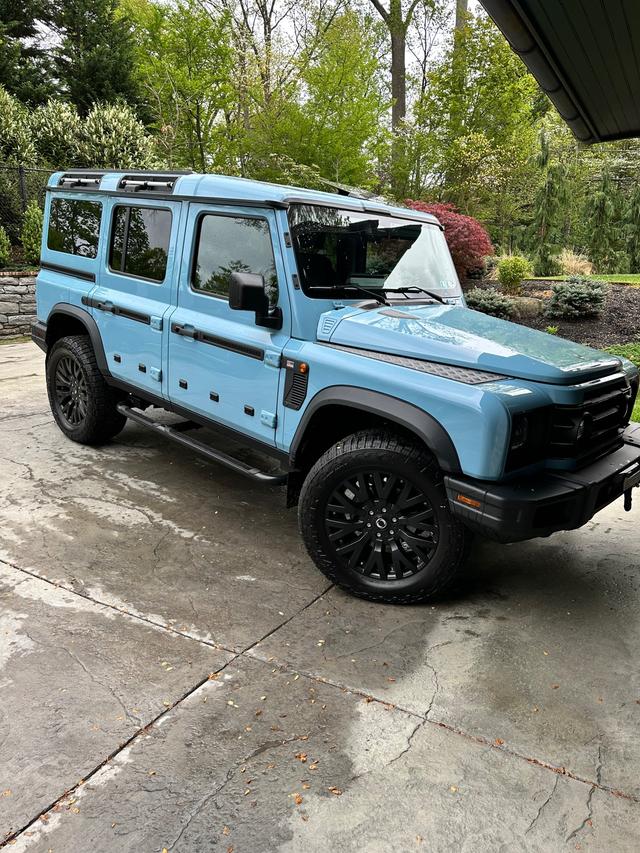
2024 INEOS Grenadier
Base • 3,300 miles
Ardmore, PA
$75,000

2024 INEOS Grenadier
Base • 4,200 miles
Bedford, VA
$74,000
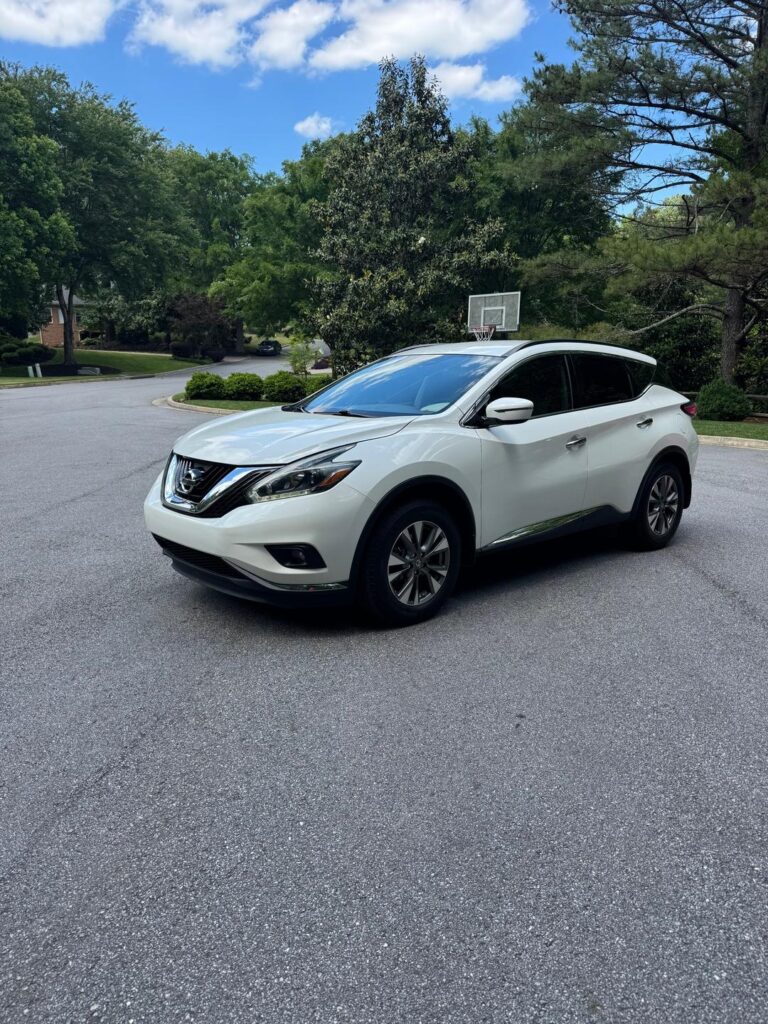
2018 Nissan Murano
Platinum • 78,500 miles
Atlanta, GA
$15,750
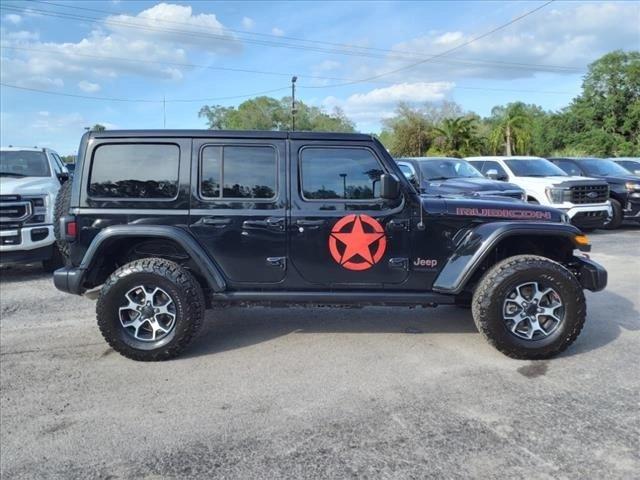
2022 Jeep Wrangler
Unlimited Ru • 41,235 miles
Ormond Beach, FL