

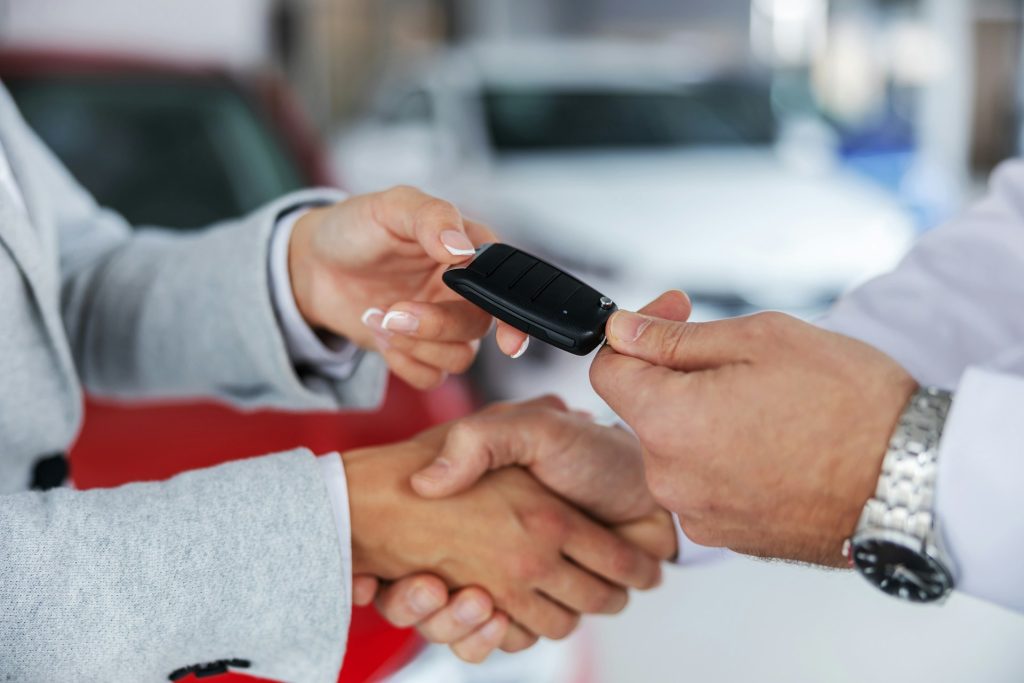
When it comes to buying or selling a car between private parties, the money transfer part can feel like the hardest step. It’s the point where real risk kicks in for both sides. You’re handing over thousands of dollars or a valuable car, and you want to know you’re not getting the short end of the deal. That’s why how you move the money matters just as much as what car you’re buying or selling.
Doing it the wrong way could lead to scams, delays, or even unexpected bank issues. The good news is, there are a few solid methods for transferring money that can keep both the buyer and seller protected. Whether you’re the person paying for the car or the one expecting the funds, it’s worth learning how each method works so you can avoid problems and wrap up the deal the right way.
Understanding Your Payment Options
There are several ways to pay for a private car purchase, and not all are equal. Some feel convenient. Some feel safer. It’s helpful to know the pros and cons before choosing what works best for you.
Here are some of the most common payment methods people use in private car sales:
– Cash
– Cashier’s check
– Online transfer or wire transfer
Each option has its own risks. Some are harder to fake, some are quicker, and some are easier to prove if something goes wrong.
Cash might feel straightforward, but it brings its own challenges. Carrying a large amount of cash isn’t just risky. It can also cause problems during the meeting, especially if either person gets nervous or has doubts. Cash also leaves no paper trail unless it’s counted and documented clearly in front of both parties.
Cashier’s checks are another common route. These are checks guaranteed by the bank, which makes people feel more comfortable accepting them. Still, fakes exist. If someone brings you a cashier’s check, it needs to be verifiable. Meeting at the bank where the check was issued is always smarter. That way the seller knows it’s legitimate and can cash it right away.
Online transfers or wire transfers are growing in popularity because they’re faster and reduce handling of physical money. That includes methods like sending directly from one bank account to another. They’re convenient but not totally risk-free. Delays due to clearance times or transfers being reversed after the fact can trip you up if you’re not careful.
So how do you choose the best way to transfer money for a car sale? It comes down to trusting the method and the person. Always ask yourself:
– Can I confirm this payment is real before I hand over the car?
– Is there a record showing we completed the payment?
– Is this method fast enough for both of us?
Never rely on “it should be fine.” The best option gives both the buyer and seller peace of mind and a clear finish to the deal.
Transfer Process For Each Payment Method
How you follow through also depends on the payment method you pick. Here’s a step-by-step breakdown to keep things clear and controlled during the transfer:
- Transferring Cash
– Schedule the transaction in a safe, public place like a bank lobby during open hours
– Bring a written bill of sale and count the cash in front of both parties
– Both sides should sign once the full amount is confirmed
– Immediately deposit the cash if you’re the seller to avoid walking around with large bills
- Using a Cashier’s Check
– Ask the buyer to get the check from a verifiable bank
– Meet at that bank’s branch if possible so the teller can confirm it’s real on the spot
– Hand over the title to the buyer only after you’ve deposited or verified the check
– Be cautious of checks from unfamiliar banks or out-of-state branches
- Sending a Bank Transfer or Wire
– Double-check the account number and routing details beforehand
– Trigger the transfer while you’re together so both sides can see it go through
– Wait for confirmation that funds are in the seller’s bank account if possible
– Consider using bank apps that confirm clearance instantly instead of those with delayed processing
Example: A buyer and seller agree to use a wire transfer for a $10,000 sedan. They meet at the bank, the buyer initiates the transfer on their phone, and the seller waits for a notification before exchanging keys and documents. It adds a few minutes, but both leave knowing the deal’s done right.
No matter which path you go with, the big thing is this: don’t rush the money part. Whether it’s real bills, a physical check, or a digital transfer, the whole car sale depends on this step being solid. In a deal like this, slow and smart works better than fast and loose every time.
Using Escrow Services For Security
Escrow services are a safe middle ground for private car sales, especially when trust hasn’t been built yet. These services act like a third-party holding area for the money. Once both parties agree on terms, the buyer sends the payment to the escrow service. The funds are held securely until the seller completes their end of the deal. Only when the vehicle is handed over and confirmed is the money released to the seller.
This type of setup works well when dealing with out-of-town buyers or sellers, or when meeting in person won’t work. It adds a layer of safety for both sides. If either party fails to meet the terms, the money can be returned or the vehicle deal paused without either person getting burned.
Here’s how using an escrow company for a car transaction usually goes:
- Buyer and seller agree to use an escrow service before the exchange
- Buyer sends payment to the escrow account
- Seller is notified when funds hit the escrow balance
- Seller delivers the car, paperwork, and keys
- Buyer confirms the car is received and accurate
- Escrow service releases the money to the seller
Always choose a service that focuses on vehicle sales or at least supports them directly. Some sellers think they don’t need escrow if they’ve seen the money hit their account, but remember, some payment methods can still be reversed or held unexpectedly. Escrow removes that risk. While there’s often a fee to use the service, many see it as a fair trade-off for peace of mind.
If a buyer insists on skipping escrow on a high-value deal, that’s a red flag. Both parties need protection, and escrow is built to do exactly that. It’s especially helpful when dealing with someone you’ve just met online and have no personal connection to.
Finalizing The Transaction
Once the payment is complete and confirmed, it’s time to wrap things up. This is the moment to slow down again. Don’t rush through the handoff. A few missed steps here can lead to big headaches later.
Start with the paperwork. The seller should sign over the title exactly as required by their state. Double-check it for spelling, mileage records, and signatures. Any mistakes or blank spaces could cause delays at the DMV. The buyer should walk away with the title, a signed bill of sale, and any other documents like a release of liability or maintenance records.
If possible, jot down a receipt showing the full amount paid, the date, and vehicle details like the VIN. Even if not required, this creates a simple paper trail that can help avoid future issues.
Before handing over the keys:
– Confirm that the funds are fully received and cleared
– Make sure all documents are signed and shared
– Exchange a bill of sale with both parties keeping a copy
– Remove personal items from the car
– Cancel insurance, registration, or autopayments tied to the vehicle
This is also a good time to take photos of the signed documents in case anything gets misplaced. If the buyer is driving the car away right then, they should already have temporary insurance and tags lined up to stay legal on the road.
Drive Away With Peace Of Mind
Buying or selling a car privately doesn’t have to feel risky. The key is taking your time through the payment and paperwork steps. For buyers, it’s about knowing your money is going to the right place and that you’re getting a car that’s legally yours. For sellers, it’s about making sure the funds are real and final before you let your vehicle go.
Start by picking a trusted payment method, work through it together without pressure, and make sure every part gets documented clearly. Whether you’re handling cash at a bank or using a secure escrow partner, strong steps at the money stage protect everyone involved.
Real peace of mind comes from knowing you didn’t skip any part of the process. Being careful now can keep your car sale from turning into a back-and-forth mess later. Stick to clear steps, protect your money, protect your title, and the rest can go smoother than expected.
Ready to make the most out of your car sale and ensure everything goes smoothly? PrivateAuto makes it easy by offering a secure and hassle-free way to handle the important steps, including how to transfer money for a car sale. Our platform helps you move through the transaction with confidence, from payment to paperwork. See how PrivateAuto can simplify your next car sale from start to finish.
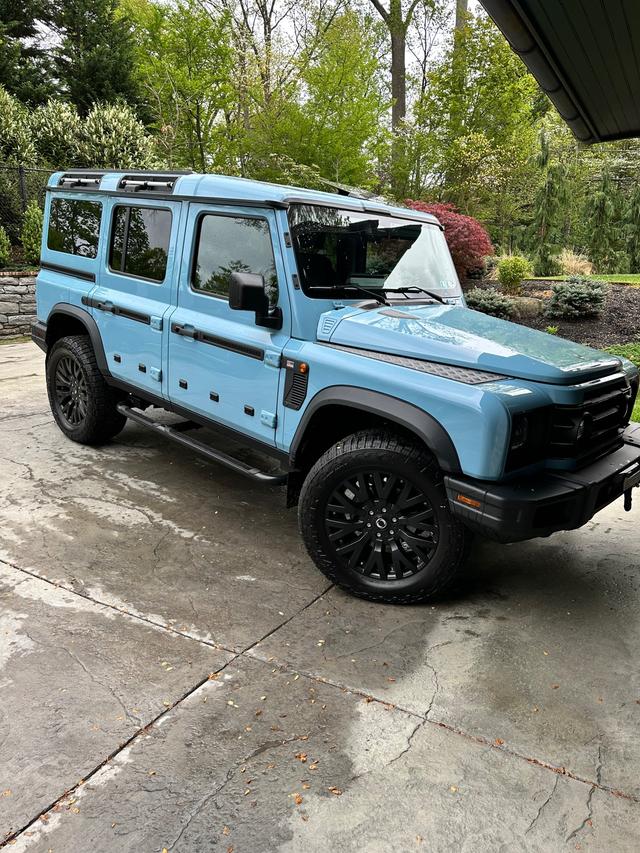
2024 INEOS Grenadier
Base • 3,300 miles
Ardmore, PA
$75,000

2024 INEOS Grenadier
Base • 4,200 miles
Bedford, VA
$74,000
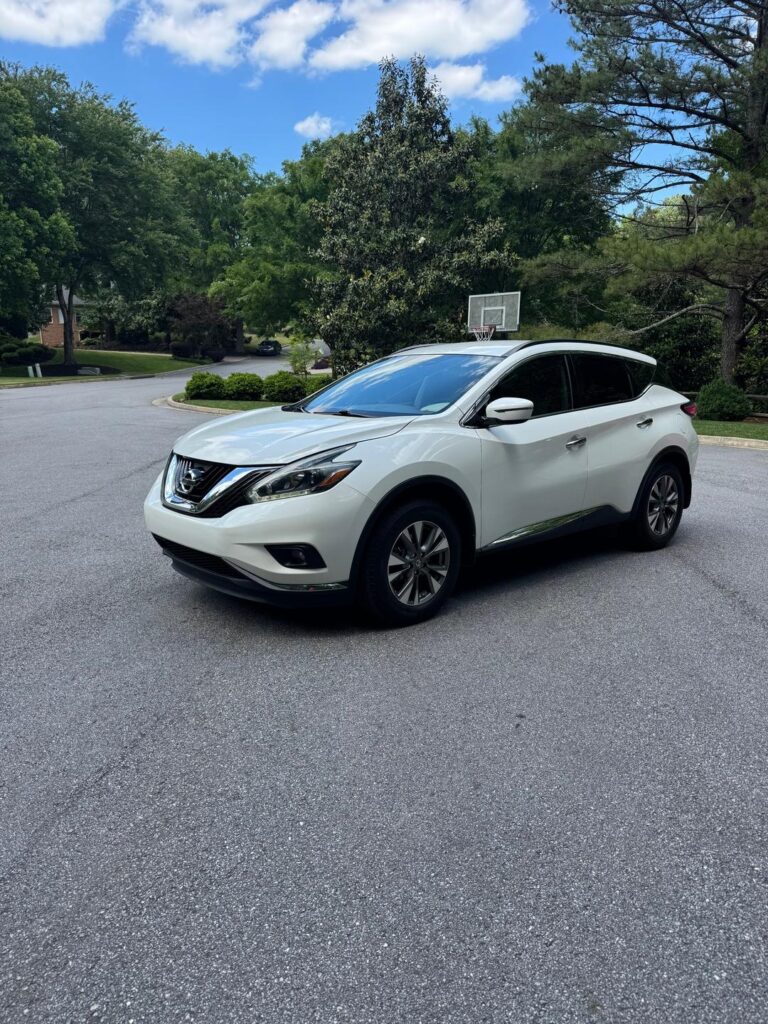
2018 Nissan Murano
Platinum • 78,500 miles
Atlanta, GA
$15,750
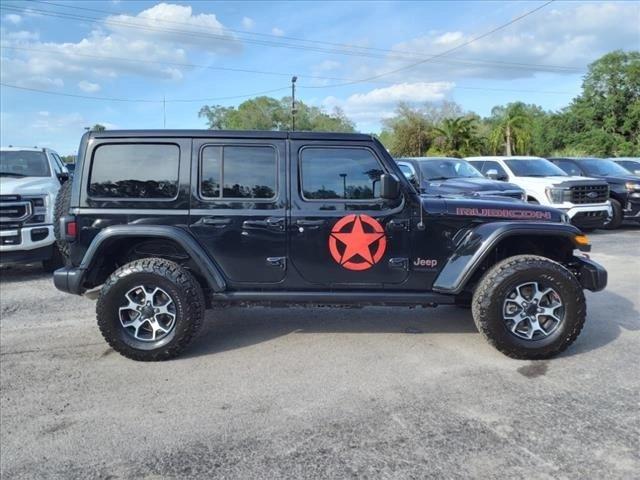
2022 Jeep Wrangler
Unlimited Ru • 41,235 miles
Ormond Beach, FL