


Rethinking How You Buy and Sell Cars Online
Buying or selling a used car through an online auto marketplace feels normal now. We scroll, filter, and tap through listings on our phones, then meet a stranger in a parking lot and hope it all works out. For something as big as a car, that is a lot of trust to put in a few photos and a chat box.
Many drivers feel the same pain points. Listings are confusing. Fees pop up late in the process. Scams are hard to spot until it is too late. Payments and title transfers often feel like a guessing game. The good news is we do not have to accept that as the only way.
There is a better approach when technology focuses on who you are dealing with, how the money moves, and whether the paperwork is right. In this article, we will question how common marketplaces really work, call out red flags, and look at a safer way to handle private-party car deals from start to finish.
What Online Auto Marketplaces Actually Do
Most online auto marketplaces are basically digital bulletin boards. They give private sellers a place to post cars and give shoppers a way to search by make, model, price, and distance. Once two people match up, the platform often steps out of the way and leaves the rest up to them.
Here is how many of these sites tend to make money behind the scenes:
- Listing fees or boosted posts to show a car to more buyers
- Upsells like premium ads, history reports, or promoted spots
- Ads for loans, insurance, and warranties that bring in referral payments
- Add-on services that are optional but heavily pushed
When a business makes more money by getting more listings and clicks, safety can slide into second place. The main goal becomes volume, not protection. That is why many marketplaces keep a hands-off approach. You handle identity checks. You figure out payment. You guess what forms you need for your state.
Most people do not read the terms and conditions, but those pages matter. In many cases, the marketplace limits its own responsibility. If a car is not as described, if money goes missing, or if the title is a mess, the platform usually points to those terms and says the risk sits with the buyer and seller.
Hidden Risks Lurking Behind Shiny Car Listings
A clean photo and a short description can hide a lot of risk. Some problems are hard to spot until they hit your wallet or the DMV line.
On the identity and fraud side, you may run into:
- Fake seller profiles that vanish after they get paid
- VIN cloning, where a shady seller copies a number from a clean car to hide a damaged one
- Curbstoners acting like private owners while really flipping cars without proper paperwork
- Minimal or no ID checks that let bad actors keep trying again and again
Money is another danger zone. Common traps include:
- Wire transfers to strangers that are nearly impossible to reverse
- Cashier’s checks that turn out to be fake days later
- Chargebacks when a buyer reverses a payment after taking the car
- Meeting with thick envelopes of cash in hot parking lots in the middle of summer
Paperwork can trip people up too. A car might have a salvage or rebuilt title that was not clearly explained. There might be a lien that still shows up when you try to register. Sometimes the odometer reading is off or key documents are missing. All of this can slow down registration or hurt the car’s future value.
These problems hit harder during busy buying seasons. Late summer brings road trips, college moves, and relocations. People feel rushed to lock in a car before school starts or before a long drive. That rush makes it easier to skip checks, overlook red flags, and say yes to a sketchy deal.
The Convenience Illusion of Big-Name Marketplaces
Big platforms can feel safe just because lots of people use them. We see a familiar logo and think the hard stuff must be covered. But size does not always mean stronger security. In many cases, those sites still leave payment, identity checks, and paperwork completely in your hands.
The search filters and glossy photos are nice, but they can hide what really matters. A great set of photos will not tell you:
- If the seller is who they claim to be
- Whether there is a lien on the car
- If the title has hidden problems in its history
- Whether basic maintenance records even exist
Communication tools can create more distance instead of less. Anonymous chat, burner phone numbers, and vague profiles make it hard to really know who you are dealing with. Some sellers push you to move fast or pay a deposit before you even see the car in person.
Summer adds more layers. Buyers might fly into another state to grab a car for a vacation or for a student starting school. They rely on an online auto marketplace to find the car, but when it is time to pay, they are stuck with cash, wires, or risky app transfers. Cross-state payments and paperwork become a scramble right when stress is already high.
A Smarter Way to Do Private-Party Car Deals
There is another way to handle private-party sales. Instead of just being a classifieds board, a modern platform can build safety into each step: ID checks, payments, and paperwork. That is the model we believe in.
For identity, that means:
- Government ID verification for both buyer and seller
- Authentication steps inside the app so you are not just trusting a username
- Confidence that the person you meet is the same person you talked to online
For payments, it means moving away from risky methods and toward secure, instant transfers that connect to real bank accounts. You should be able to pay or get paid in minutes, not days, without carrying cash or hoping a cashier’s check clears. This matters even more when you want to close a deal quickly before a big summer drive.
For paperwork, the platform should walk both parties through every step, based on the state where the car is registered. That can include:
- A digital bill of sale that both sides sign
- Prompts for title details, odometer readings, and lien release info
- Guidance so you do not forget a form that could later cause a DMV headache
At PrivateAuto, we have built our platform around those high-risk pieces. We are based in the United States, and we know how stressful private sales can be when the weather is hot, the days are busy, and people just want a smooth deal. Our goal is to let buyers and sellers still meet, talk, and negotiate, while we handle identity checks, secure payments, and paperwork support in the background.
Turn Your Next Car Deal Into a Safe Power Move
When it comes to your next car, trust should not be blind. The default does not have to be meeting strangers with envelopes of cash and hoping the title is clean. With a little clear thinking, you can keep the control and still enjoy the convenience of shopping online.
Before you say yes to any private-party deal, ask yourself:
- Are both identities verified with real government IDs?
- Is the payment method secure, instant, and non-reversible in shady ways?
- Has the title status and lien situation been checked and documented?
- Is there guided paperwork so the bill of sale and forms match your state?
If any of those answers are no, it might be time to rethink the path you are on. At PrivateAuto, we are focused on turning private-party car deals into a safe, confident move instead of a leap of faith, so you can enjoy the ride long after the keys change hands.
Discover a Safer, Smarter Way To Buy or Sell Your Car
Skip the dealership hassle and handle your next sale or purchase on your terms with PrivateAuto. Our secure online auto marketplace lets you negotiate directly, verify identities, and transfer funds instantly. See how simple the process can be, then reach out through our contact page if you have any questions.
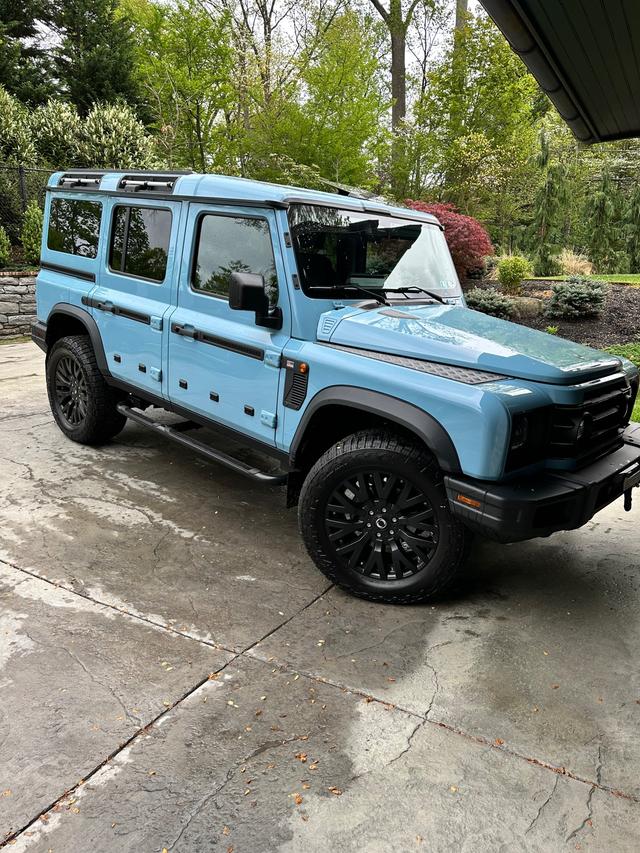
2024 INEOS Grenadier
Base • 3,300 miles
Ardmore, PA
$75,000

2024 INEOS Grenadier
Base • 4,200 miles
Bedford, VA
$74,000
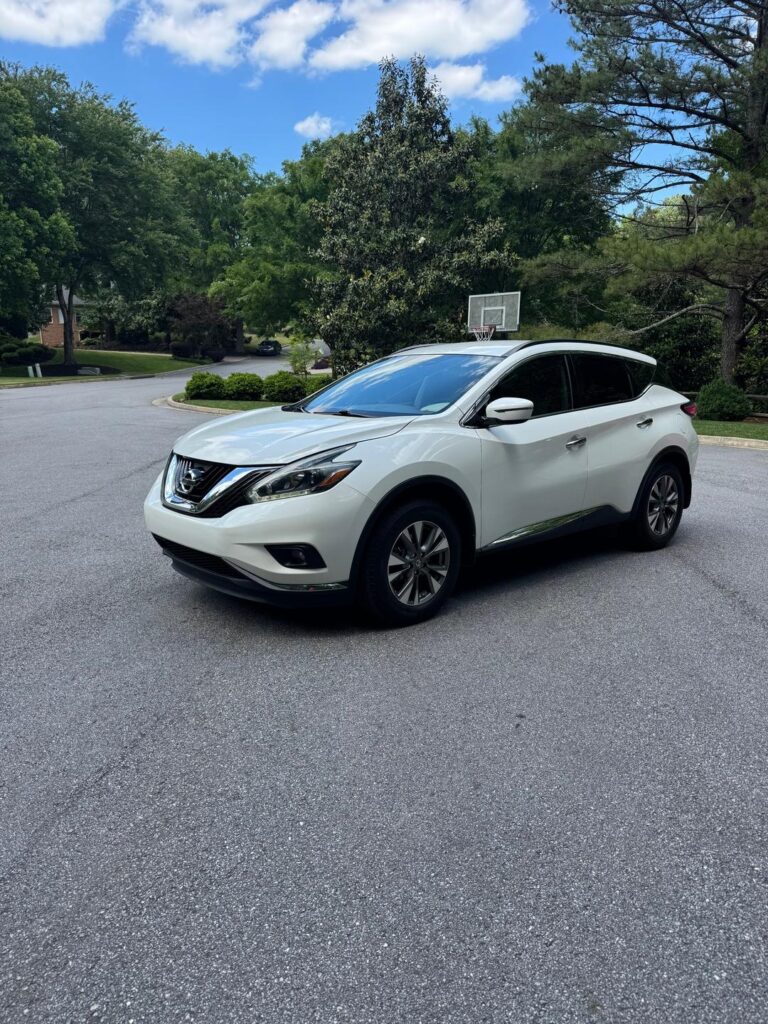
2018 Nissan Murano
Platinum • 78,500 miles
Atlanta, GA
$15,750
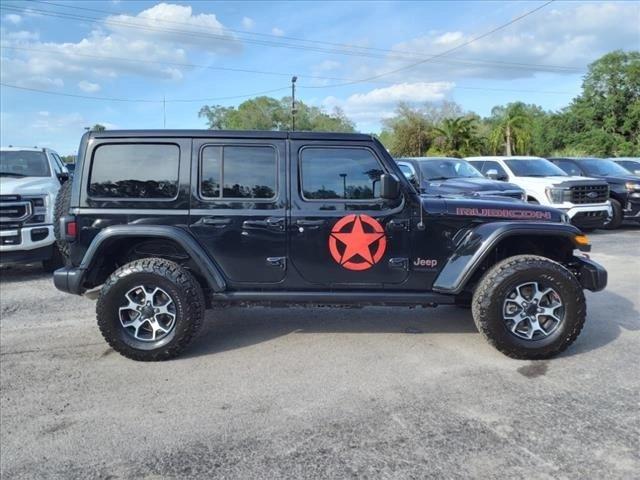
2022 Jeep Wrangler
Unlimited Ru • 41,235 miles
Ormond Beach, FL