


When a Simple Car Sale Turns Into a Nightmare
Private vehicle sales sound so simple. You find a car you like, agree on a price, hand over the money, sign some papers, and drive away happy. When it goes right, you can save money and get more choice than at a dealer.
The problem is that one tiny mistake can turn that dream into a mess. A lot of people end up with fake titles, bad payments, or paperwork that the DMV will not accept. A fun summer road trip car can turn into a car stuck in the driveway, or worse, a legal headache that drags on for months. We want to walk through some real-world-style horror stories that happen in private vehicle sales, break down what went wrong, and show clear ways to avoid the same traps.
PrivateAuto was built for exactly these moments, so we see the patterns. The good news: with better tools, safer payments, and guided steps, you can keep the good parts of private sales and leave the scary parts behind.
The Vanishing Seller: Title Trouble and Fake Identities
A buyer finds a used SUV that looks perfect for summer camping trips. The seller seems friendly and in a hurry to “get this done before the long weekend.” They meet in a parking lot at dusk. Cash trades hands, a title changes owners, and everyone heads home.
A few weeks later, the DMV says the title is fake or the name on the title does not match the seller. The phone number no longer works. The buyer is stuck with a car they cannot register and no way to find the seller.
Here are the main risks in that kind of deal:
- Handwritten bills of sale that nobody can verify
- Fake or borrowed IDs that do not match the title
- Cars with liens, salvage history, or unclear ownership
To avoid this kind of nightmare, it helps to slow down and check a few things every time:
- Always check a government ID and make sure the name matches the title and the registration. If the names do not match, walk away or at least ask why.
- Match the VIN on the car to the VIN on the title. They must be the same.
- Use tools that run VIN checks and guide you through ownership steps so you know the person actually owns the car and has the right to sell it.
- Keep all messages and records in one place so you have proof of what was agreed to.
When identities are verified and the title is checked up front, that “vanishing seller” trick becomes much harder to pull off.
The Payment Trap: Counterfeit Cash and Sketchy Apps
Another common horror story starts with a seller happy to clear out a truck before a big move. A buyer shows up with a thick envelope of cash or sends money through a popular payment app. It feels fast and easy, so the seller hands over the keys and signed title.
On Monday, the bank flags some bills as fake or tells the seller the app transfer has been reversed. Now the buyer has the truck, the title, and probably a new number or no contact at all, while the seller has little or no real money.
The payment risks in private vehicle sales are huge:
- Cash can be counterfeit, stolen, or lost
- Bank checks and money orders can look real but still bounce
- Most payment apps allow chargebacks and are not built for big car deals
- Meeting strangers with large sums of money can feel unsafe
Better options focus on verified money that cannot be pulled back later:
- Use instant bank-to-bank transfers that confirm the funds in real-time and do not allow chargebacks.
- Get clear proof of payment, with time stamps and records that match the sale details.
- Meet in a neutral, public, well-lit location, not at your home.
- Never hand over the keys or signed title until the money is fully cleared and confirmed, not just “pending.”
When both sides can see that the payment is real and locked in, the whole deal feels a lot less scary.
The Test-Drive From Hell: Accidents, Theft, and Liability
It is a hot afternoon, and someone comes to test-drive a sporty car they have been eyeing online. They seem serious and confident, so the seller tosses them the keys and waits in the driveway. Minutes turn to half an hour. When the car finally returns, there is fresh damage on the bumper. In worse cases, the car does not return at all.
Test drives are one of the riskiest parts of private vehicle sales. Problems can include:
- Theft if the buyer never comes back
- Accidents during the drive that damage the car
- Confusion about who is responsible if the driver has no insurance
- Disputes over what was said or agreed to before the drive
Safer test drives use clear steps and shared expectations:
- Always check and photograph the driver’s license. Also grab a quick photo of their plate if they parked nearby.
- Go along on the test drive. Sit in the passenger seat and keep the route short and simple.
- Decide the route and time limit before starting. Say it out loud and message it as well so there is a written record.
- Talk with your insurance company ahead of time so you know what happens if a test driver crashes your car.
- Use a platform that keeps all messages and details in one place so you can show what was agreed if something goes wrong.
When there is a clear plan and both sides know the rules, test drives feel less like a gamble and more like a normal part of the sale.
Paperwork Nightmares: DMV Rejections and Tax Surprises
Sometimes the scariest part does not show up until after the sale. A buyer brings their “new” family van to the DMV, ready to register and get plates before school starts. The clerk looks at the title, then shakes their head. A field is blank, the odometer section is wrong, or there is a lien that nobody mentioned. The buyer gets turned away again and again.
Paperwork problems in private vehicle sales can look like this:
- Titles signed in the wrong spot or with missing names
- Odometer readings skipped or written in the wrong section
- Bills of sale that do not match what the state expects
- Surprise fees or taxes because the paperwork does not meet state rules
Rushing through these parts almost always backfires. A calmer, step-by-step approach helps avoid DMV drama:
- Follow state-specific guidance for each form, including title, bill of sale, and any extra disclosures.
- Double-check that every required field is filled in, especially sale price, odometer, and signatures.
- Use digital contracts and time-stamped records so you can show when and how the deal happened.
- Rely on state templates built into a trusted platform instead of guessing which form you need.
Good paperwork might feel boring, but it is what turns “some car you paid for” into “your car” in the eyes of the state.
Turn Your Next Car Deal Into a Success Story
Every horror story here follows the same pattern: someone trusted a stranger with a lot of money and legal responsibility, but they did not have strong tools or a clear process. Titles were not checked. Payments were not protected. Test drives were loose. Paperwork was rushed.
PrivateAuto exists to flip those stories around. With verified identities, instant bank-to-bank payments, and guided paperwork steps, private vehicle sales can feel more like a smooth handoff and less like a leap of faith. When you know who you are dealing with, see real money move safely, and get help completing the right documents for your state, it is much easier to stay out of trouble and enjoy the car you worked so hard to buy or sell.
Simplify Your Next Private Sale With a Secure, Streamlined Process
If you are ready to buy or sell a car on your own terms, we make it simple to move forward with safe, efficient private vehicle sales. Our step-by-step platform guides you through each stage, from listing to payment, so you stay in control the entire time. Get started today, and if you have questions along the way, just contact us so we can help you complete your next transaction with confidence.
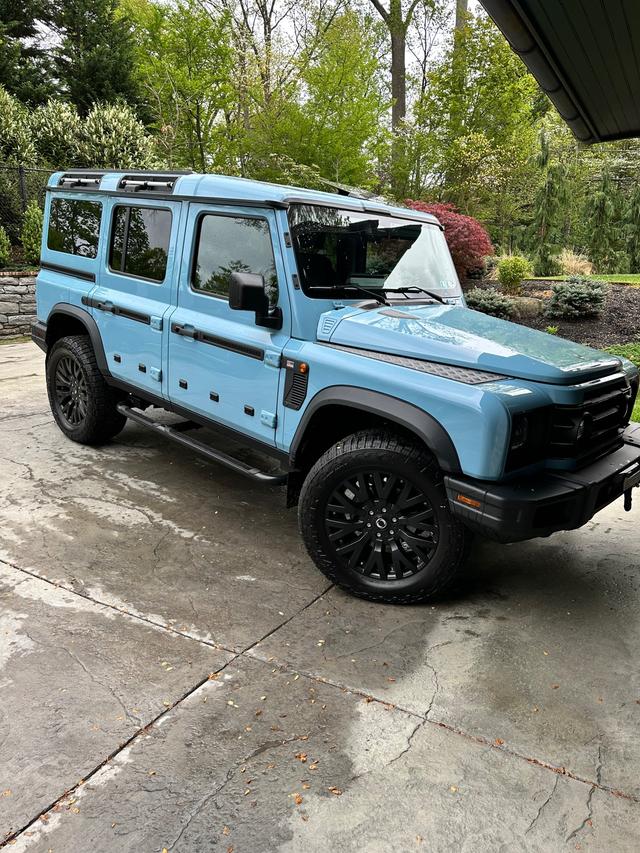
2024 INEOS Grenadier
Base • 3,300 miles
Ardmore, PA
$75,000

2024 INEOS Grenadier
Base • 4,200 miles
Bedford, VA
$74,000
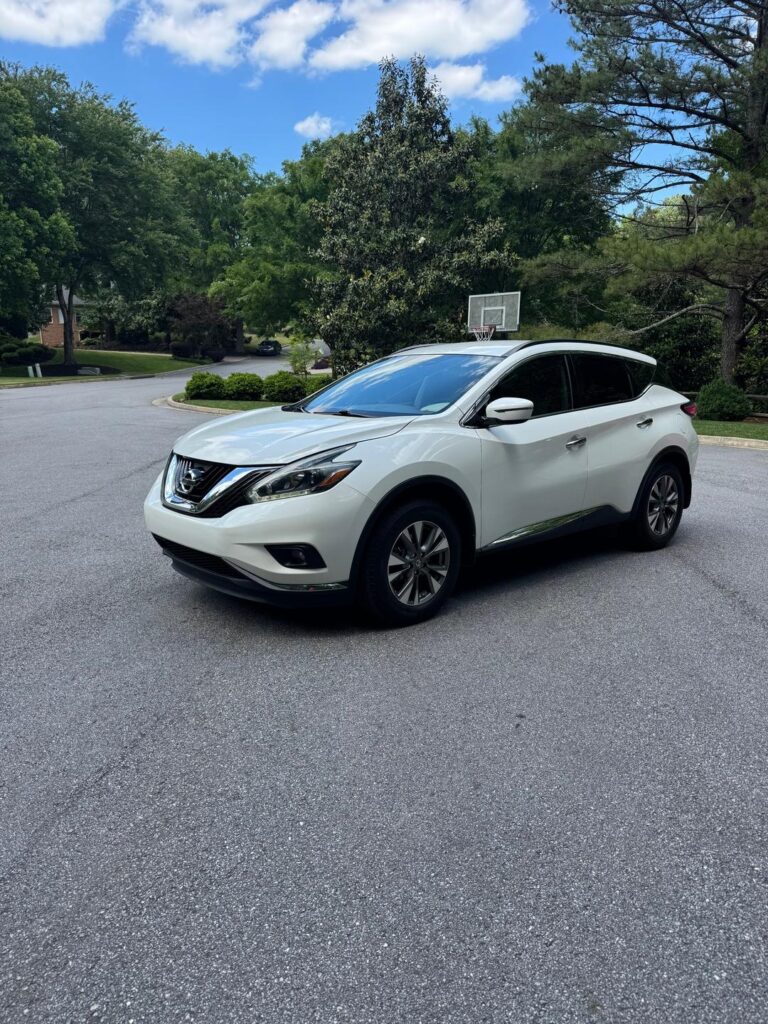
2018 Nissan Murano
Platinum • 78,500 miles
Atlanta, GA
$15,750
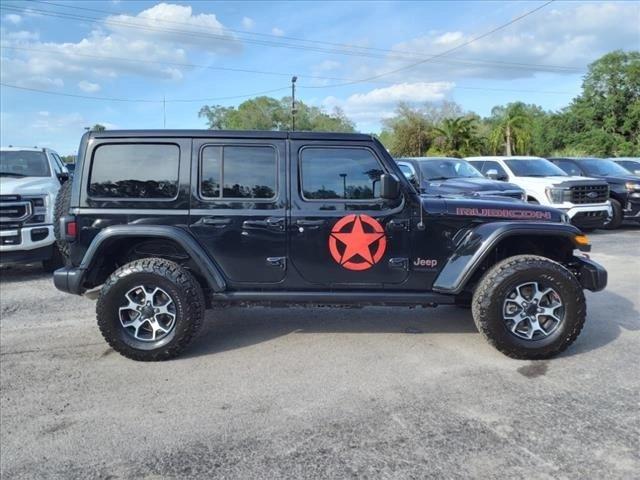
2022 Jeep Wrangler
Unlimited Ru • 41,235 miles
Ormond Beach, FL