


Avoid Costly Surprises When Shopping Private Listings
Private used car listings can look amazing on the surface. The photos shine, the description sounds perfect, and the price feels like a steal. That mix of excitement and fear is real, especially when you are scrolling in the heat of summer and cars seem to disappear fast.
But those tempting deals can come with big problems: hidden repairs, unsafe meetups, bad titles, or sending money and never seeing the car. Many buyers worry about scams, pushy sellers, and paperwork that is hard to understand. That worry is smart, and it can actually protect you if you pay attention to it.
In this guide, we are going to walk through the most common mistakes people make with private used car listings and how to avoid them. With better research, clear questions, safe meetings, and tools like verified identities and secure payments, you can shop private sales with much more confidence.
Rushing Research on Private Used Car Listings
When a listing looks perfect, it is easy to move too fast. This is where small details get missed and small details often turn into big headaches.
One common mistake is skimming instead of really reading. Buyers often scroll past clues like:
- Mileage that seems low for the age of the car
- Wording that hints at “minor damage” without any clear photos
- Missing or blurry VIN photos
- Descriptions that do not match the pictures
If something feels off, slow down. Read every line, compare it to the photos, and look for a clear VIN you can check. If the seller refuses to share the VIN or keeps delaying, that is a sign to be careful.
Another big shortcut is skipping the vehicle history and mechanical checks. When it is hot outside and everyone is trying to grab a car for road trips, it can feel like there is no time. But a quick sale is not worth getting stuck with:
- Hidden accident damage
- Flood or rust issues
- Odometer rollbacks
- Long lists of past problems
Pulling a vehicle history report and getting a trusted mechanic to inspect the car before you pay can save a lot of stress.
Finally, many buyers do not compare prices. They see one car, like it, and jump. Better to:
- Search several private used car listings in your area
- Compare similar years, trims, and mileage
- Use online pricing guides to see what is normal
When you know the fair market range, it is much harder for a seller to convince you that a bad deal is “the best you will ever find.”
Falling for Red Flags in Online Communication
Most problems start before you ever see the car. They begin in messages and calls that buyers ignore or explain away.
Watch for clear scam signals:
- Sellers who refuse to talk by phone or video
- People who push you to move conversations to random apps
- Copy-paste answers that never match your questions
- Stories that are all drama and urgency, like “I need this gone today”
Quick-sale pressure and confusion are not normal parts of a safe sale. If your gut feels tight when you read the messages, pay attention.
Another mistake is accepting incomplete answers. Before you meet, you should know:
- How long they have owned the car
- Why they are selling it
- If they have maintenance records
- Whether the title is clean, rebuilt, or branded
- If there are any loans or liens still on the car
It helps to create a simple question checklist before you respond to any listing. That way you do not forget key points once you start chatting.
Identity is also a big deal. Dealing with anonymous profiles or people who refuse to share their name can be risky. You want the name on the listing, the ID, and the title to match. Tools that verify identity before you meet give both sides more peace of mind and cut down the chance of fraud.
Taking Unsafe Test Drive and Meeting Practices
A great deal is never worth your safety. Still, many buyers agree to meet in places or ways that put them at risk.
Try to avoid:
- Meeting at night in empty lots
- Going alone to remote areas
- Walking into someone’s home when you feel uneasy
Safer spots include bright public parking areas or police station “safe exchange” zones where cameras and people are around. Tell a friend where you are going, share your location, and set a time to check in.
Before you even start the engine, ask to see:
- The title
- Current registration
- The seller’s ID
Make sure the VIN on the car matches the VIN on the paperwork. If the seller will not show documents before the test drive, that is a good time to walk away.
During the drive, do not let the seller rush you. Watch out if they:
- Refuse to let you drive on the highway
- Keep the only key the entire time
- Limit you to a quick loop around the block
Bring a friend if you can. Take the car on different roads, listen for odd sounds, and test basics like brakes, AC, windows, and lights. Jot down notes or take photos of anything you spot so you can decide calmly later.
Mishandling Payment, Paperwork, and Ownership Transfer
You can find a great car and still regret the deal if the money and paperwork are handled in a messy way.
Many buyers still use risky payment methods like:
- Large amounts of cash
- Wire transfers to strangers
- Payment apps that were not built for big private sales
If something goes wrong, it is very hard to fix. Tools that let you send and receive instant, secure payment while you are with the seller add a big layer of safety. The funds move, both sides see it, and there is a record.
Titles and liens are another problem area. Before handing over payment, confirm:
- The title is in the seller’s name
- The name matches their ID
- There are no liens listed or, if there are, how they will be cleared
Different states have their own rules about where to sign titles, what forms are needed, and when you must file paperwork. Missing a step can leave you stuck with a car you cannot register.
Then there are taxes, fees, and timing. Many buyers forget to budget for:
- Sales tax
- Registration and license plates
- Emissions or safety inspections
Summer is a popular time to buy a car, which also means longer lines and wait times. Guided digital paperwork helps here by walking you through each step and keeping everything organized so you do not miss anything.
Make Every Private Listing Work in Your Favor
Private used car listings do not have to be scary. When problems show up, they usually trace back to the same things: weak research, ignoring red flags in messages, unsafe meetings, and sloppy handling of payment or paperwork. That is how a “cheap” car turns into an expensive regret.
You can flip that script with a simple mental checklist:
- Research the car and compare prices
- Ask clear questions and expect clear answers
- Verify who the seller is and who owns the car
- Meet in safe, public spots and bring a friend when you can
- Inspect and test drive without rushing
- Use secure payment and follow your state’s paperwork rules
At PrivateAuto, we built our platform to support these exact steps, with verified identities, instant secure payment, and guided documentation that make private-party car sales feel safer and more organized for both buyers and sellers. When you combine smart habits with the right tools, you can shop private listings with much less worry and a lot more confidence.
Find Your Next Car With Safe, Simple Private Sales
Explore our curated private used car listings to connect directly with real sellers and keep more money in your pocket. We give you secure messaging, integrated payments, and digital paperwork so you can handle the entire transaction on your schedule. If you have questions or need help getting started, just contact us and we will walk you through the next steps.
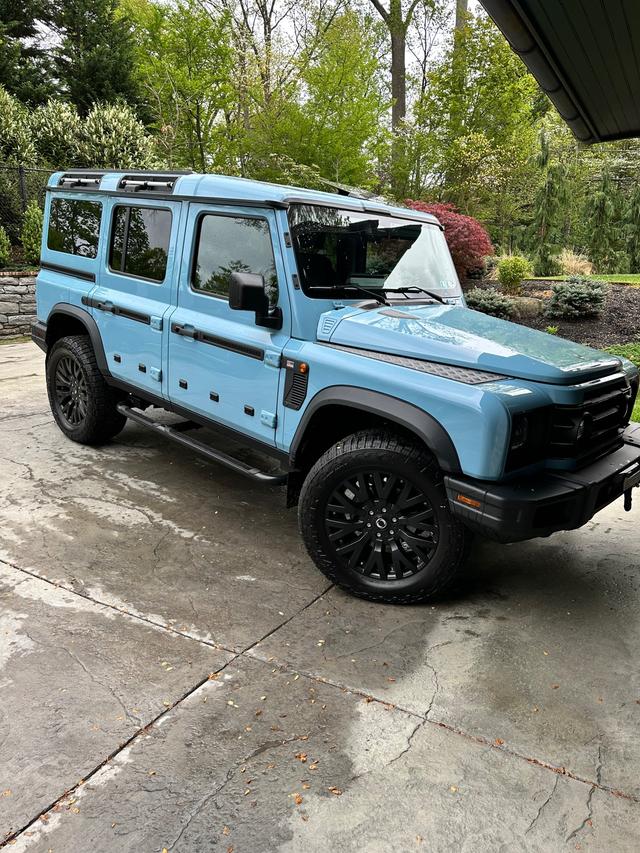
2024 INEOS Grenadier
Base • 3,300 miles
Ardmore, PA
$75,000

2024 INEOS Grenadier
Base • 4,200 miles
Bedford, VA
$74,000
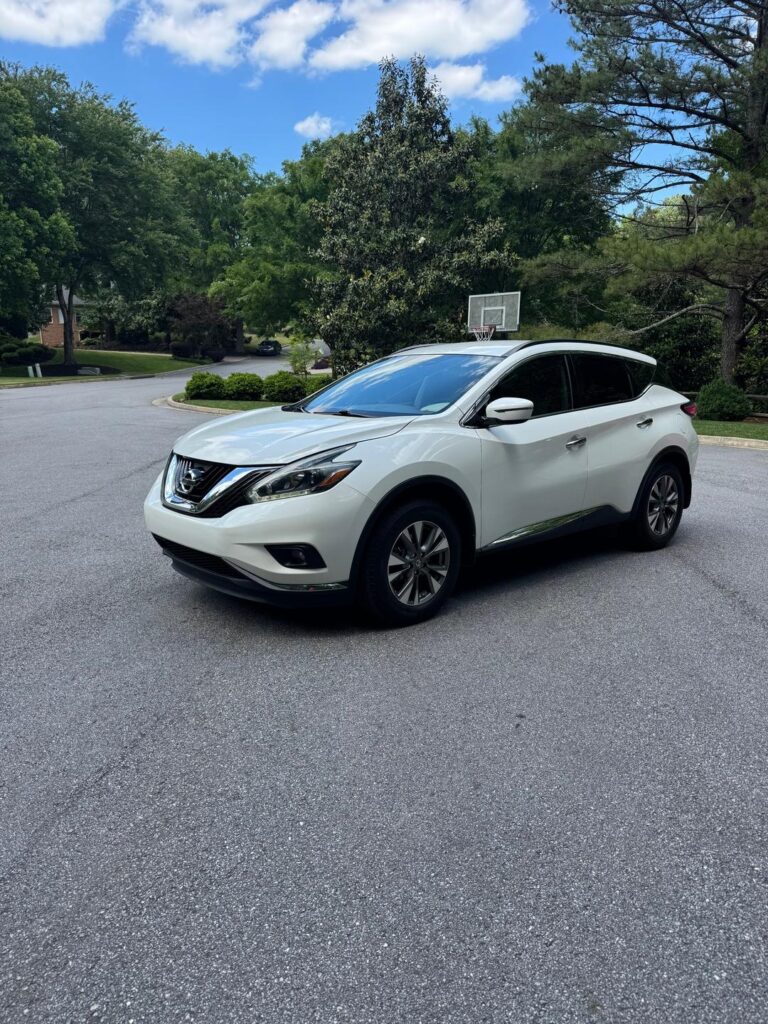
2018 Nissan Murano
Platinum • 78,500 miles
Atlanta, GA
$15,750
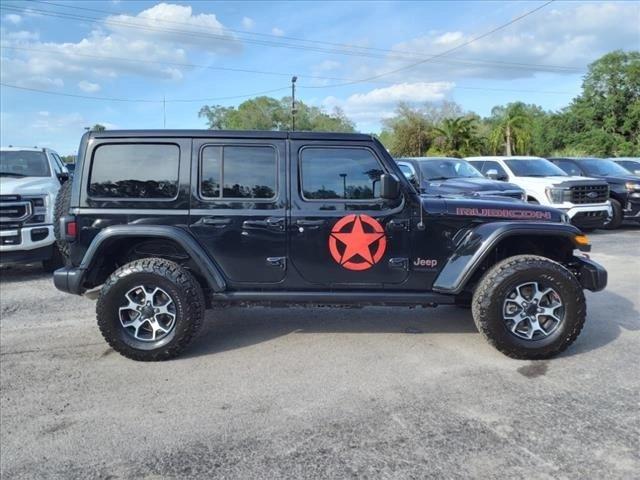
2022 Jeep Wrangler
Unlimited Ru • 41,235 miles
Ormond Beach, FL