


Turn Your Private Car Purchase Into a Protected Deal
A private car purchase should feel exciting, not stressful. You find the right ride, agree on a price, hand over the money, and drive away. The trouble usually shows up later, when someone asks for proof and all you have are a few random texts and a blurry photo of a title.
A smart way to avoid that headache is to build a digital audit trail. That is just a fancy name for a clear, time-stamped story of your deal: who you dealt with, what you both agreed to, how you paid, and what car you actually got. When something goes wrong with the DMV, taxes, or even a recall, that story can protect you.
As people gear up for summer road trips and buy cars for new grads, scams and paperwork mistakes pop up more often. Title rules, taxes, and ID requirements are strictly enforced, and a casual parking lot deal with cash and no records can turn into a mess. We want to show you how to protect yourself, whether you use a platform like ours or your own simple system.
What a Strong Digital Audit Trail Actually Looks Like
A good audit trail is not one single document. It is a stack of small, clear records that all match up with each other. At a basic level, you want:
- Identity proof for buyer and seller
- Details of the agreement, including price and condition
- Proof of payment, with amount and date
- Evidence of title and ownership
- History of your conversations about the car
Think through the deal from first contact to handing over the keys and ask, what can we save here?
- When you see the listing, grab screenshots of the ad, price, mileage, and photos
- Before meeting, keep chat logs where you ask about accidents, repairs, and title status
- During the meetup, take photos of the VIN, odometer, plates, and the car itself
- At closing, save the bill of sale, title photos, and a clear record of the payment
For legal protection, your records should be dated, time-stamped, and tied to the car by VIN and license plate. They should show that both sides agreed to the price, the condition (often “as is”), and any promises such as including extra wheels or fixing a small issue.
You can do this by hand with phone photos, email, and a shared cloud folder. Or you can use a platform that bakes in ID checks, e-signatures, and payment confirmation and keeps a clean log for you. Either way, the goal is the same: a story that is clear enough to hold up when someone questions what really happened.
The Must-Keep Records From a Private Car Purchase
Some records matter more than others. If you only focus on a few key pieces, focus on these.
ID verification and identity proof. It is not enough to say “I saw their license.” You want:
- Photos or scans of driver’s licenses or other ID
- A note of which ID you saw for which person
- Any platform-based ID verification result
This helps with fraud, title jumping, and cases where someone later claims they never sold the car.
Payment confirmation is next. Simple screenshots of a bank app or a photo of cash are easy to question. A more defensible record should include:
- Full names of buyer and seller
- Date and time of payment
- Exact amount and method
- A note or memo that references the car, VIN, or at least make, model, and year
Instant digital payments that are traceable are much stronger than a pile of bills in a parking lot.
Your bill of sale and title photos are the heart of the deal. A solid bill of sale should have:
- Full names and addresses of both parties
- VIN, year, make, model, and color
- Sale price and form of payment
- Exact odometer reading at sale
- “As is” wording or any agreed warranties
- Signatures for both buyer and seller
Then, photograph the front and back of the signed title. If plates are removed, or a temporary tag is added, snap that too. These images help when the DMV has questions later.
Finally, do not toss your chat logs or listing screenshots. This is where talk about “no accidents,” “brand new brakes,” or “selling as is” usually happens. Texts, app messages, and emails can show what was promised and what was not. A platform with in-app messaging and saved agreements keeps those all in one place instead of scattered across phones.
How Long to Keep Records and Where to Store Them
Once you have the records, the next question is how long to hang on to them. The answer depends on how they might be used.
For legal disputes, it is smart to hold your records at least several years. Many states give people a long window to bring contract or fraud claims, so keeping documents for four to six years is a safe range for most private deals.
For taxes, keep your purchase and the later sale records for at least seven years. These help with:
- Proving the purchase price for sales tax questions
- Showing registration fees you paid
- Tracking gains or losses when you sell the car later
For warranty and recalls, keep your records as long as you own the vehicle, and a bit beyond. Warranty timelines and recall campaigns can run for many years, and proof of when you bought the car and the mileage at that time can matter a lot.
If you take summer trips across state lines or buy a car from another state, use the longest timeline that might apply to you. It is easier to keep extra files than to rebuild them from nothing later.
For storage, aim for at least two formats:
- One cloud backup, such as a secure drive account
- One local backup, like a home computer or external hard drive
Create a folder named with the car’s VIN and the sale date, then drop in PDFs and image files. Non-editable formats like PDF or JPG are better than files that are easy to change. A platform that acts like a secure vault keeps this organized and cuts the risk of files getting lost or edited.
When Your Audit Trail Really Pays Off
You feel the real value of a clean audit trail when something goes sideways.
In disputes or claims of misrepresentation, your photos, chat history, and detailed bill of sale can settle arguments about hidden damage, mileage, or “you said you would fix this” talk. Time-stamped photos and texts taken before the sale are hard to argue with, especially when they match the bill of sale.
DMV and title issues are common. Titles get lost, VIN numbers get typed wrong, and mileages are sometimes entered wrong. When you can show clear title photos, IDs, and payment proof, you make the DMV clerk’s job easier and give any lawyer something solid to work with if it ever goes that far.
For taxes and money records, a digital trail makes it simple to see what you paid, what you collected later, and what you paid in fees and taxes. That matters for anyone who might claim business use, rideshare use, or other work-related driving.
On the warranty and recall side, the exact date of purchase, odometer reading, and proof that you truly own the car can make the difference between “yes, you are covered” and “sorry, you are outside the window.” A clear chain of ownership gives dealers and manufacturers confidence that they can move ahead with repairs and recall work.
Lock in Your Deal’s Protection Before You Turn the Key
In a private car purchase, your best protection is the story your documents can tell. Who bought what, when the deal happened, how much was paid, and what condition the car was in all live inside that digital trail you create.
Before you buy or sell, use a simple checklist: verify IDs, document the vehicle with VIN, photos, and mileage, agree on terms in writing, use secure, traceable payment, and stash every record in one organized digital place. Shifting from cash, random texts, and scraps of paper to a digital-first approach turns a risky parking lot swap into a well-protected transaction. Platforms like ours at PrivateAuto, built around ID verification, instant secure payments, and guided paperwork, make that audit trail part of the deal so you can focus on enjoying your new car instead of worrying about what might go wrong later.
Make Your Next Car Purchase Simple and Secure
Skip the hassles of traditional dealerships and take control of your next private car purchase with our streamlined, secure platform. At PrivateAuto, we give you built-in verification tools, smart pricing guidance, and safe payment options so every step is straightforward. Get started online in minutes, and if you have questions at any point, just contact us for support from our team.
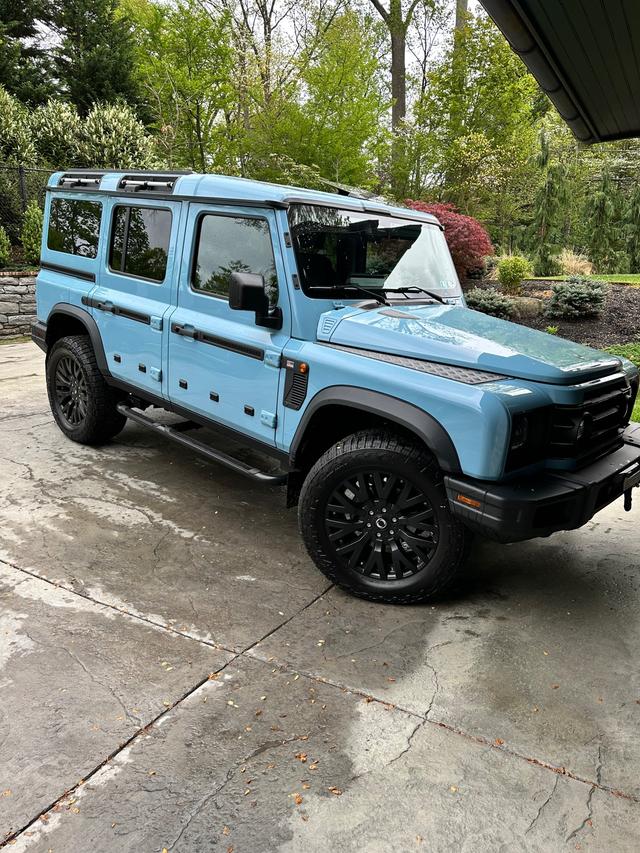
2024 INEOS Grenadier
Base • 3,300 miles
Ardmore, PA
$75,000

2024 INEOS Grenadier
Base • 4,200 miles
Bedford, VA
$74,000
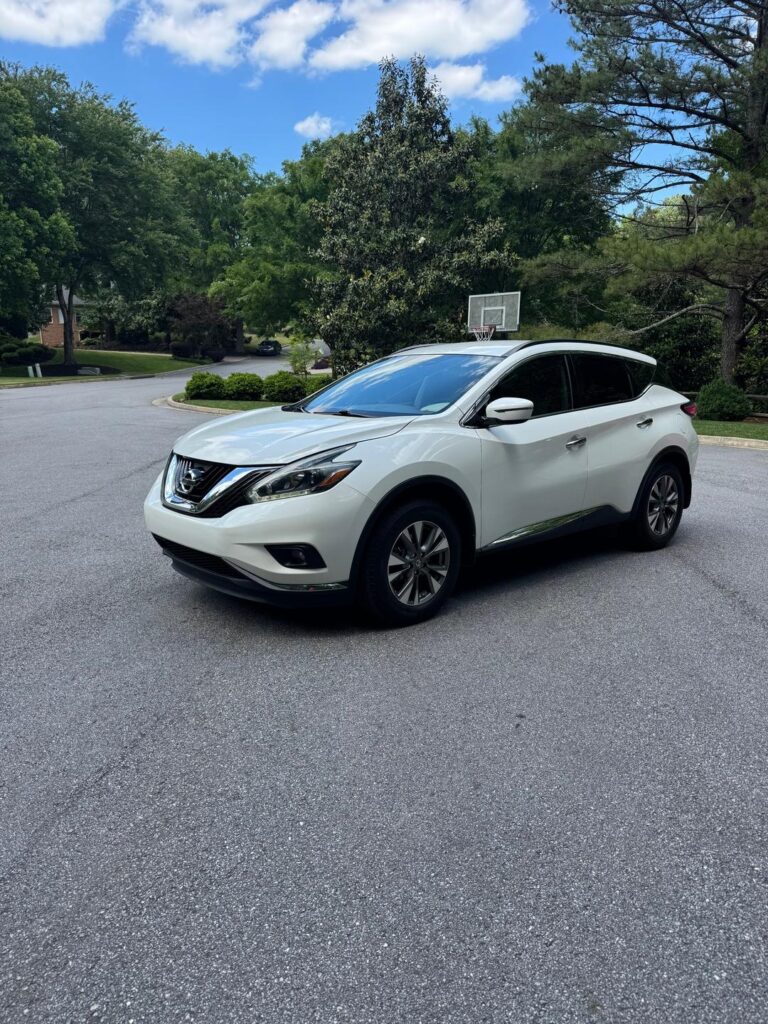
2018 Nissan Murano
Platinum • 78,500 miles
Atlanta, GA
$15,750
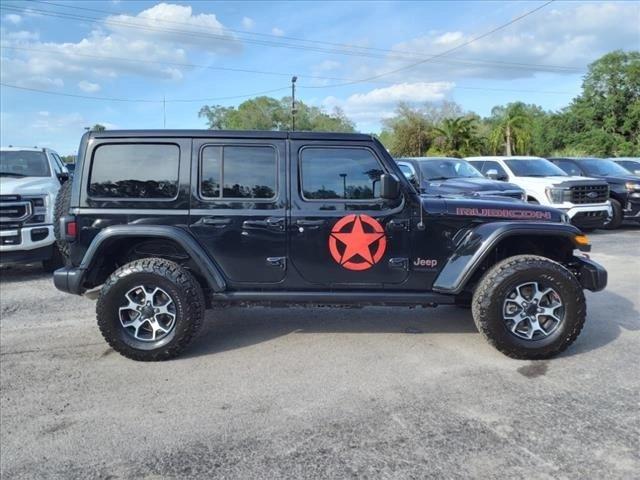
2022 Jeep Wrangler
Unlimited Ru • 41,235 miles
Ormond Beach, FL