


Buying a used car from a private seller can be a smart move, but the way you pay can either protect you or put you at real risk. Payment problems often show up late, after the handshake and happy drive home, when a bank reverses money or the car cannot be registered. Learning to spot payment red flags early keeps you from wasting time on shady listings and protects your savings.
We will walk through the signs that a listing or seller might be risky, what common payment scams look like, and how to structure a safer deal. We will also touch on how structured tools, like secure payment for private car sales, help keep both the car and the money tied together in one clear process.
Spotting Payment Risk Before You Waste Your Time
Many people have had that “dream summer deal” moment. The weather is warm, there are road trips ahead, and a sporty car pops up online at an amazing price. Everything seems perfect until the seller starts asking for a strange form of payment before you even see the car. That sinking feeling is your early warning system, and it is worth listening to.
Summer is busy for private car sales, from grads needing a first car to families planning long drives. More action also means more scammers trying to slip bad payment requests into listings that look normal at first glance. The wrong payment move can leave you with no car, no title, or money locked up by a bank review.
Spotting red flags in the listing and in early chats saves a lot of stress. A safe process starts long before you hand over a single dollar.
Too-Good-to-Be-True Prices and Vague Vehicle Details
One of the biggest early warning signs is the price. Scammers know a low number pulls people in fast.
Watch for these clues:
- The car is thousands below similar listings with no reason given
- The description says “perfect condition” but skips details about mileage or history
- The seller refuses to explain why the price is so low
That kind of pricing is often meant to rush you. The seller may push you to “lock it in” before you can get an inspection or run a history report.
Vague or sloppy details are another bad sign. Be careful if:
- The VIN, mileage, or title status is missing from the ad
- Photos look like stock dealer pictures, not real driveway shots
- The photos do not match the trim or options listed
A safer listing usually includes:
- A clear VIN and current mileage
- Honest notes about dings, scratches, and repairs
- Photos taken from several angles, inside and out
- A seller who can explain basic history and share title or maintenance info when asked
When details line up, it lowers the chance that the car or the seller is fake.
Suspicious Seller Behavior and Communication Tactics
Even a decent-looking listing can hide trouble if the seller acts strange once you start talking. Payment risk often shows up as delay, distance, or pressure.
Be careful when a seller will not meet or show the car. Red flags include:
- Claims that the car is “in storage,” “at a relative’s place,” or “out of state” with no clear plan to show it
- Requests for full or partial payment before you see the car in person or on a live video call
- Constant excuses to avoid meeting somewhere public
High-pressure or slippery messages can also signal risk:
- “I have three other buyers ready to send money right now” paired with demands for fast payment
- Dodging simple questions about the title, accidents, or where the car is stored
- Details that change from text to email to phone call
Another common move is pushing you off the original platform into private email or random messaging apps. When conversations leave a structured space, it becomes easier for a seller to vanish after payment. Using a system that keeps messaging and identity checks in one place reduces the odds of a disappearing act.
Risky Payment Requests That Put Your Money in Danger
Payment is where many scams become obvious. If the way the seller wants to get paid feels odd, slow down.
Big red flags include:
- Requests for gift cards, cash apps marked as “friends and family,” or cryptocurrency
- Pressure to send a wire transfer to a stranger
- Refusal to meet at a bank or use any secure payment method
Scammers like these tools because once the money leaves your hands, it is hard or impossible to get it back. If anything goes wrong with the car or title, you are stuck.
Watch for strange deposit and overpayment setups:
- “Refundable” deposits just to hold the car, especially before you have seen it
- A seller who keeps delaying after you send money, then stops responding
- A buyer who sends more than the agreed price and asks you to refund the difference
With overpayments, the first payment can bounce or be reversed later, and you lose the refund you sent.
Safer options work more like this:
- Money moves from buyer to seller in a controlled system both can see
- Payment is tied to this specific car, not just sent to a random account
- Once complete, it is not subject to surprise chargebacks
Tools like secure payment for private car sales are built to keep the money traceable and locked to the deal, which helps both sides.
Title, ID, and Paperwork Gaps That Signal Bigger Trouble
Even if the car looks great and the payment sounds simple, title and ID issues can wreck the deal. You want to know exactly who owns the car and that the paperwork is clean.
Pay close attention if:
- The seller will not show the physical title before payment
- The name on the title does not match the name on the seller’s ID
- There are marks for salvage, rebuilt, or other brands that the seller shrugs off
Paperwork confusion is another warning sign. Be cautious when:
- The seller has no clear plan for a bill of sale or odometer form
- They say “just sign it and the DMV will figure it out”
- There are hints of a lien or loan on the car but no payoff proof
Matching a real government ID to the name on the title is a key step before money moves. A guided process that walks both sides through state forms, signatures, and order of steps lowers the risk of missed details or fake paperwork.
Turning Red Flags Into Action Steps for a Safer Sale
Once you know what to watch for, you can turn that knowledge into simple habits whenever you shop for a car.
Use this quick checklist before sending any money:
- Compare the price with similar cars in your area
- Confirm the VIN, mileage, and title status
- Ask for clear, recent photos or a live video walkaround
- Match the seller’s ID to the name on the title
- Walk away if the seller resists secure payment options
Structuring the deal well is just as important. Try to:
- Keep messaging, ID checks, payment, and paperwork inside one trusted system
- Meet in a safe, public spot, often during daylight
- Review and sign all needed state forms before releasing payment
At PrivateAuto, we built our platform around these steps. We use identity verification, built-in messaging, guided state documents, and instant payments made for private-party sales so buyers and sellers can enjoy summer car-deals with far less stress around money changing hands.
Protect Your Car Sale With Safe, Verified Payments
Ready to sell or buy a vehicle without worrying about cash, checks, or payment scams? With PrivateAuto, you can use our built-in secure payment for private car sales to move money instantly while protecting both parties. Explore how our process works, then reach out to our team if you have questions or need help getting started. If you want personal assistance with your transaction, simply contact us.
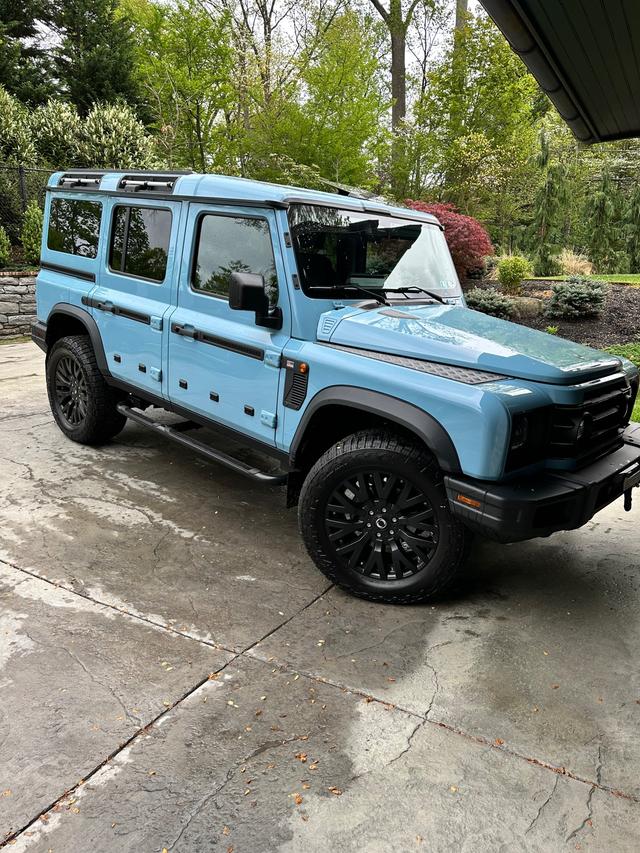
2024 INEOS Grenadier
Base • 3,300 miles
Ardmore, PA
$75,000

2024 INEOS Grenadier
Base • 4,200 miles
Bedford, VA
$74,000
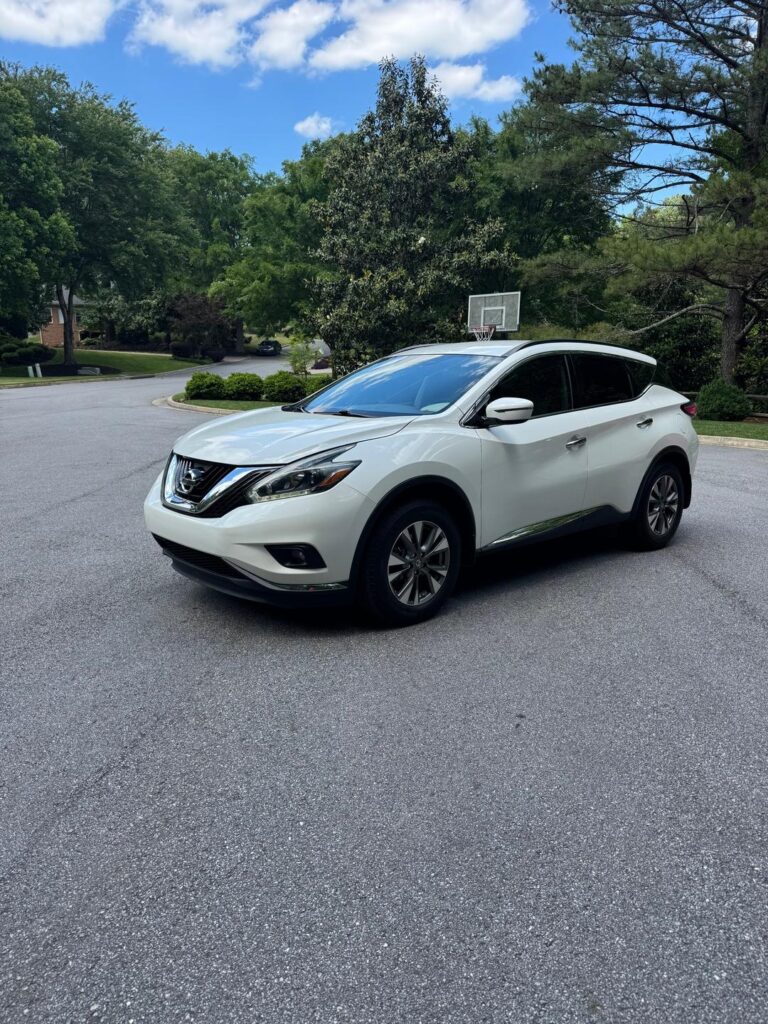
2018 Nissan Murano
Platinum • 78,500 miles
Atlanta, GA
$15,750
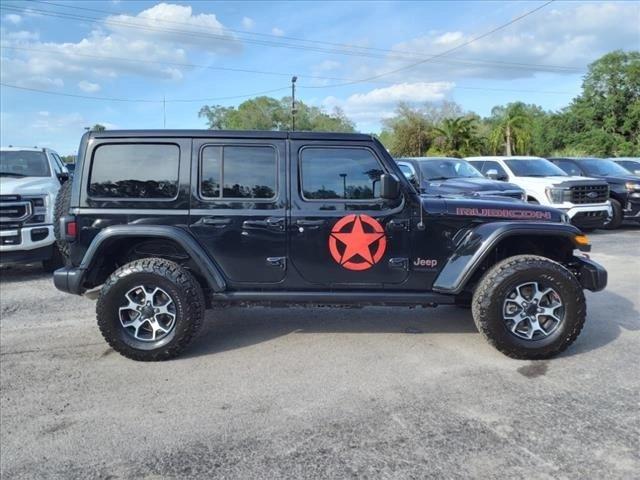
2022 Jeep Wrangler
Unlimited Ru • 41,235 miles
Ormond Beach, FL