

When Private Car Purchases Meet Loans and Liens
A private car purchase can be a smart way to get more car for your money, especially as summer hits. Road trips, college moves, and new jobs all push people to shop used, and private sales can feel quick and simple. Then you see one word that changes everything: lien.
When a car has a lien or an unpaid loan, the lender has a legal claim on that vehicle. That adds risk for both sides, because the seller does not fully control the title and the buyer must trust that the loan will really be paid off. We are going to walk through what that means, why it matters, and how a clear plan, along with a structured platform, can keep your deal from stalling out when the sun is shining and you just want to hit the road.
How Liens Affect a Private Car Purchase
A lien is the lender’s legal interest in the car until the loan is paid in full. In most cases, the lienholder is a bank, credit union, or finance company. When there is a lien, it will usually show up:
- On the vehicle title under “lienholder” or a similar label
- In state DMV records connected to the VIN
- On many vehicle history reports
This matters because a seller with an active lien does not have clear title yet. The lender still has a claim. That can create problems such as:
- The seller cannot legally hand over a clear title until the loan is fully paid
- The buyer could pay for the car, but the lender might still be able to repossess it if the loan is not handled correctly
- Delays in getting the title in the buyer’s name if the payoff and paperwork are not done in the right order
During busy summer months, when people want quick deals, it is easy to miss warning signs. Buyers should be careful if:
- The seller will not show the title or says it is “at home” and never brings it
- The name on the ID does not match the name on the title or registration
- The seller pushes for cash and asks you to “just trust me, the bank will mail the title later”
Buyers can check for liens by looking at the title, running a VIN check, and, when needed, checking with the state DMV. If anything does not match, slow down and get answers before sending any money.
Seller’s Guide to Paying Off a Car Loan Safely
If you are the seller with a loan, you still have options. The key is to plan before you list the car. Some common ways to handle the payoff are:
- Pay off the loan in full before listing, then sell with a clean title
- Meet the buyer at your lender’s branch and do the payoff together
- Use the buyer’s money to pay the loan at the time of sale, then move forward once the lien is cleared
Step one is always to talk with your lender. Ask for:
- The exact payoff amount and the date it is good through
- Any early payoff fees or special rules
- How they release the lien and how long that takes
- What proof you will get, like a release of lien letter or stamped title
Some lenders hold the physical title and mail it to you after payoff. Others use an electronic title system and tell the DMV to clear the lien. Either way, you want to know the timeline so you can explain it clearly to a buyer.
Selling during summer, people are often moving fast and carrying cash or swapping large checks. That can raise the risk of fraud or bounced payments. A structured platform with secure instant payment, a clear audit trail, and guided paperwork helps sellers move money safely into their own account and keep the whole process organized from payoff to final title transfer.
Buyer Protection When the Car Still Has a Loan
Buying a car that still has a loan can work out well if you protect yourself. A simple checklist helps you stay safe:
- Confirm the title status and see who the lienholder is
- Review the lender’s payoff letter or the current statement
- Verify the seller’s identity matches the title and registration
- Agree in writing how the payoff will be done before sending any money
The safest payments are structured so the loan gets cleared as part of the deal. That can look like:
- Sending part or all of the purchase funds directly to the lender instead of only to the seller
- Waiting for written confirmation that the lien is paid before treating the sale as final
- Making sure you get a signed bill of sale and a plan for how and when the updated title will reach you
During busy summer months, private buyers can run into wire fraud, fake “escrow” services, or sellers who vanish after taking payment, leaving the buyer waiting on a title that never comes. Tools like in-app messaging, ID checks, and secure, trackable payments reduce those risks. When every step of the deal is recorded in one place, it is much harder for scams and “he said, she said” issues to take hold.
Handling Titles, Paperwork, and Timing Across States
Titles and timing get even trickier when different states are involved. That is common in summer, when students, military members, or families move and buy or sell cars across state lines.
How long things take depends on three main factors:
- If the lender holds a paper title or if the title is electronic
- How fast the lender processes payoffs and sends release papers
- Whether your state or the other party’s state needs to mail a new title before you can register
The usual order looks like this.
- Loan payoff is made to the lender
- Lien is released and noted on the title or in the DMV system
- Updated title is issued that shows no lien
- Buyer registers the car, pays any taxes and fees, and gets plates
Some states may allow a temporary permit or plate so the buyer can legally drive while the final title is on the way. That can be handy if you are trying to get a car ready for a long road trip or a move. What matters most is that both sides know what documents they need, such as:
- Title, or proof it is coming
- Signed bill of sale
- Odometer disclosure when required
- Release of lien or proof of payoff
Clear, state-specific guidance and a digital workflow help keep all those pieces in order so no one ends up stuck with a car they cannot legally drive when summer plans are already made.
Use PrivateAuto to Close a Lien Sale with Confidence
Any time a lien or active loan is part of a private car purchase, you should stay careful. Always confirm there is a lien, know who the lender is, and verify the exact payoff amount and process. The deal should be set up so the loan is fully satisfied, the lien is cleared, and the steps for getting the title into the buyer’s name are written down and easy to follow.
At PrivateAuto, we built our platform to make this kind of sale less stressful for both buyers and sellers. Our ID verification, secure instant payments, messaging, and guided paperwork help keep everyone on the same page, without juggling cash at the bank or trusting risky payment methods during the busy summer season. When the road is calling and a good used car is within reach, a clear, structured process can be the difference between a smooth handoff and a summer headache.
Make Your Next Car Purchase Safer and Simpler Today
Skip the hassle and take control of your next private car purchase with our secure, self-guided platform. At PrivateAuto, we give you the tools to verify sellers, manage paperwork, and handle payments confidently in one place. Start your deal online in minutes, and if you have questions at any point, just contact us for help from our support team.
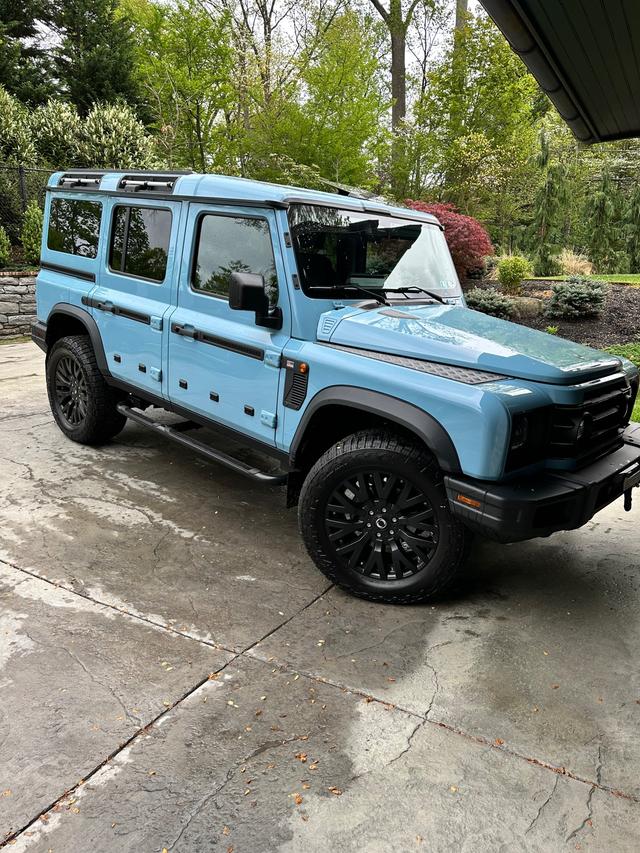
2024 INEOS Grenadier
Base • 3,300 miles
Ardmore, PA
$75,000

2024 INEOS Grenadier
Base • 4,200 miles
Bedford, VA
$74,000
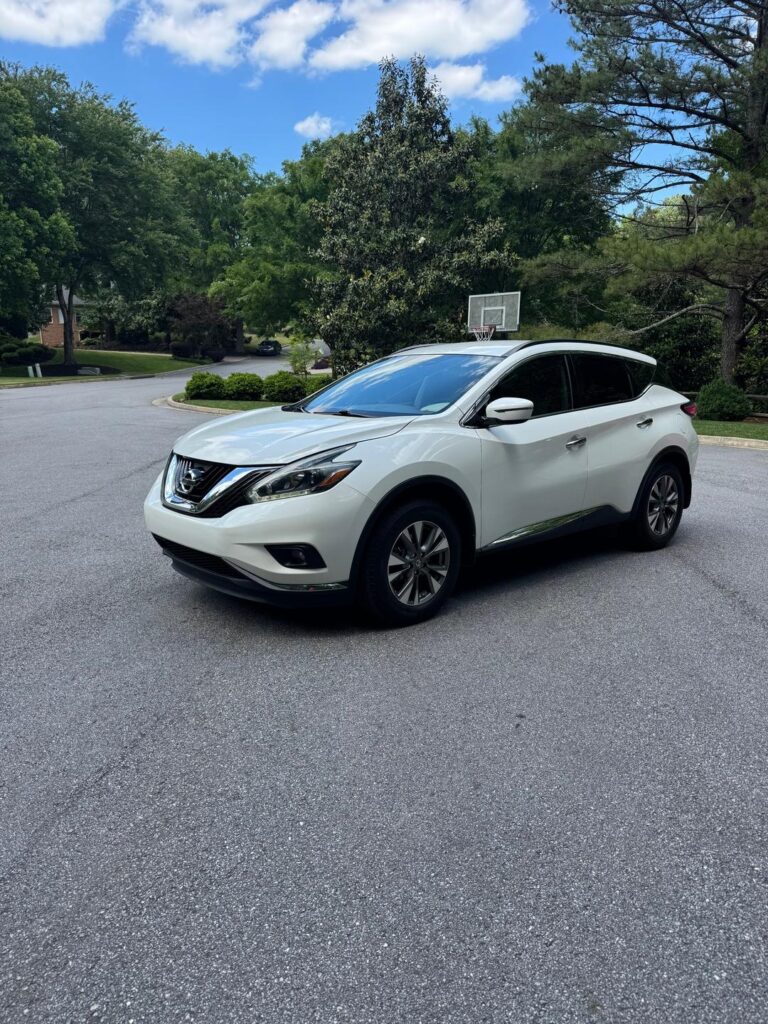
2018 Nissan Murano
Platinum • 78,500 miles
Atlanta, GA
$15,750
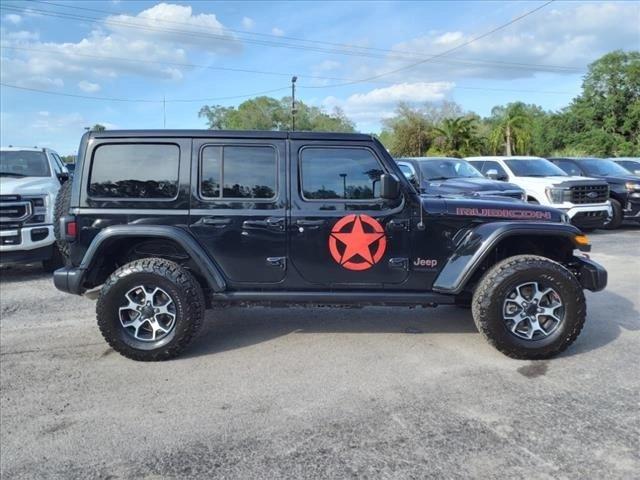
2022 Jeep Wrangler
Unlimited Ru • 41,235 miles
Ormond Beach, FL