


Late spring and summer are prime-time for private car deals. The weather is warm, people are planning road trips, and good cars go fast. That is exactly when rushed choices can lead to title trouble, bad surprises, and money you may never see again.
The test drive matters, but the title and ownership details decide if you can actually keep and register the car. Hidden liens, salvage or other branded titles, title washing across states, and VIN mismatches can all turn a sweet deal into a long headache. We will walk through how to spot those red flags, read a title with confidence, and understand how to transfer money for a car sale safely when you are buying from another person, not a dealer.
Spot Title Trouble Before Your Money Leaves Your Account
When you buy a car from a private seller, you are also buying its past. If the past is messy, your future with the car will be messy too.
Title and ownership checks matter more than a fun test drive because the paperwork is what determines whether the car can legally become yours. If anything is wrong or incomplete, the consequences can show up immediately when you try to register the vehicle, insure it, or prove you own it.
- You cannot register the car if the title is wrong or incomplete
- You may not get insurance, or only limited coverage
- A lender with a lien could still repossess the car
- You could get pulled into legal issues you did not cause
In private deals, the biggest hidden risks tend to be issues that are not obvious during a quick inspection. The seller may not disclose them, or they may not even fully understand what is attached to the vehicle’s history.
- Undisclosed liens and unpaid loans
- Salvage, rebuilt, flood, or other brands on the title
- Title washing by bouncing the car between states
- VIN mismatches that may point to theft or fraud
The goal is to spot these things before your money moves at all. If the paperwork looks strange, the right move is to slow down, not speed up.
Reading the Title Like a Pro Before You Pay
A clean title is usually pretty simple. It should show the correct owner and vehicle information, reflect an accurate odometer disclosure, and list no active lender claims. In other words, the title should match the seller, match the car, and be free of brands and liens.
- The correct owner name, matching a photo ID
- No brands like salvage, rebuilt, flood, lemon, junk
- Accurate odometer reading, not missing or “exempt” without reason
- No active lienholder listed
- Correct vehicle details like VIN, year, make, and model
Most state titles share the same core sections, even if the layout and wording vary. Knowing where to look helps you scan quickly while still catching the details that matter.
- Owner and co-owner information
- Vehicle information and VIN
- Lienholder section
- Odometer disclosure area
- Reassignment spaces for private-party sales
Red flags are usually signs of tampering, rushed transfers, or paperwork that does not match the story you are being told. Any of these should trigger a pause and more verification before you go further.
- Scratched out or covered information
- Odometer readings that jump backward or vanish
- Lots of fast title reassignments in a short time
- Handwritten changes where your state does not allow them
- Out-of-state titles with very recent issue dates
One simple rule applies here: do not even think about how to transfer money for a car sale until you have the original title in your hands, checked in daylight, and matched to the seller’s ID and the car itself.
Liens, Loans, and Cars the Seller Does Not Truly Own
A lien means someone else still has a legal claim on the car, usually a bank or credit union. Until that loan is fully paid, the lender has rights that are stronger than yours, even if you think you bought the car fair and square. This is why “the seller has the car” is not the same thing as “the seller owns the car free and clear.”
You can often spot an active lien by checking the title and verifying what your state has on record. The problem is that liens are not always obvious unless you know exactly what to look for and you require the right proof.
- A lienholder name printed on the face of the title
- Your state’s records show an electronic lien
- The seller cannot show a clear lien release or payoff letter
If you buy a car with an undisclosed lien, the fallout can range from frustrating to severe. Even if you acted in good faith, you may still be the one stuck dealing with lenders and DMV delays.
- Repossession if the old owner stops paying
- Trouble getting the title in your name
- Long, stressful fights with lenders and DMVs
If a lien exists and you still want the car, the safest approach is to structure the sale so the lender gets paid first and the lien is confirmed satisfied before the seller receives the rest. That reduces the risk of paying someone who cannot actually deliver a clear title.
- Meet at the lender’s branch during business hours
- Pay the payoff amount directly to the lender
- Confirm the lien is satisfied and get proof
- Only then pay any extra money owed to the seller and sign the final bill of sale
A secure payment system that can move funds only after lien status is verified lowers your risk of paying someone who does not actually own a clear title.
Salvage, Rebuilt, and Branded Titles That Can Haunt You
Title brands are warnings, and they exist to tell you the car has a significant history that can affect safety, insurability, and value. The most common brands include the following:
- Salvage
- Rebuilt or reconstructed
- Flood or water damage
- Lemon or manufacturer buyback
- Hail or junk
Even if a car looks great in the sunshine, these brands signal serious past issues. The long-term impact often shows up after the sale, when you try to insure, finance, resell, or register the car, or when hidden repairs start causing problems.
- Limited or no full coverage insurance
- Lower resale value later
- State inspections before you can register
- Hidden structural, frame, or electrical problems
You can usually identify branded title situations by reading the title closely and cross-checking it against independent records. If the title and the vehicle history tell different stories, treat that mismatch as a reason to dig deeper.
- Markings like SALVAGE, REBUILT, or FLOOD on the title
- Notes near the vehicle description area
- Vehicle history reports and state database records
Title washing happens when someone moves a branded title car into another state to try to get a fresh, “clean” title. If you see an out-of-state title that seems oddly fresh or out of sync with the car’s age, dig deeper.
A simple decision guide:
- Project car and you know it has a salvage or rebuilt title? Maybe okay if you accept the risk.
- Daily driver you depend on for work and family? A hidden or poorly explained brand is usually a reason to walk away, especially if the seller is rushing you.
VIN Mismatches and Ownership Red Flags You Cannot Ignore
The Vehicle Identification Number, or VIN, is the car’s fingerprint. It appears in multiple places because it is meant to be verified, not assumed. You can find it:
- On the dash at the base of the windshield
- On the driver’s door jamb sticker
- In the engine bay in some models
- On the title, registration, and bill of sale
All VINs must match across the vehicle and the documents. If the seller shrugs off a mismatch as a “small typo,” treat that as a serious warning, because even one digit off can create registration problems or indicate fraud.
- VIN on the car equals VIN on the title
- VIN on the registration and any history reports matches too
- Even one digit off is a hard stop, not a “small typo”
Certain physical signs on the car can indicate a VIN has been altered or replaced. These are not cosmetic issues, they can point to theft, a swapped body, or paperwork that does not belong to that vehicle.
- VIN plates that look bent, re-riveted, or freshly glued
- Missing VIN stickers where they should be
- Different VINs on different parts of the car
- A seller who gets annoyed when you take your time to check
Smart buyers also run the VIN through state tools and national databases to confirm what the car’s record actually shows, not just what the seller says. Those checks help surface issues that a visual inspection cannot.
- Theft reports
- Recalls or open safety campaigns
- Major accidents or total loss history
- Title status changes that do not match the story
Only after all VINs and records line up should you think about how to transfer money for a car sale.
Safer Payments and Paperwork with PrivateAuto
A safer private-party deal follows this order:
- Verify the seller’s identity
- Inspect the car in person
- Confirm VINs on car, title, and records
- Check for liens and title brands
- Review history reports and state records
- Complete a clear bill of sale
- Then and only then move money
Payment method matters because some options are hard to reverse, easy to fake, or provide no protection if something goes wrong mid-transaction. Risky payment methods include big stacks of cash, cashier’s checks, person-to-person apps, and basic wires. They either leave you exposed to fake funds, or they give the seller money with no way to pause if something is wrong.
With PrivateAuto, we built a safer path for private buyers and sellers. Our platform brings together identity-verified parties, secure in-app messaging, guided digital paperwork, and instant bank-to-bank transfer. Funds move only when both buyer and seller confirm, and no one has to hand over sensitive account details or carry cash. Every step leaves a digital trail, so there is clear proof of payment, signed documents, and a time-stamped record if questions come up later about ownership or mileage.
When titles, VINs, and payments all line up, you can drive away confident instead of anxious.
Secure Your Next Car Sale With Confidence
If you are ready to sell or buy a car privately, we can help you handle every step safely and efficiently. Learn exactly how to transfer money for a car sale so both parties are protected from start to finish. Our process is built to keep your personal information secure while making payment fast and straightforward. If you have questions or need a hand getting started, simply contact us.
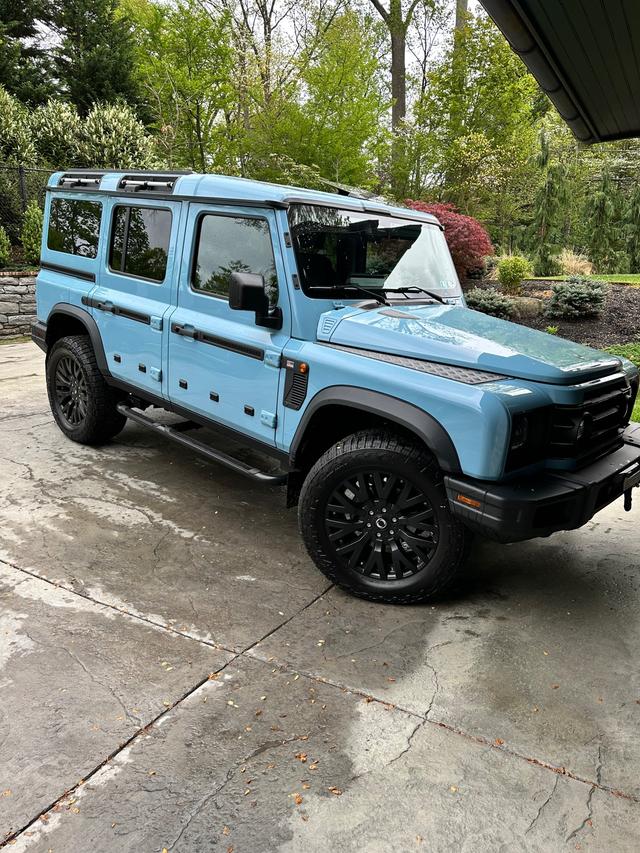
2024 INEOS Grenadier
Base • 3,300 miles
Ardmore, PA
$75,000

2024 INEOS Grenadier
Base • 4,200 miles
Bedford, VA
$74,000
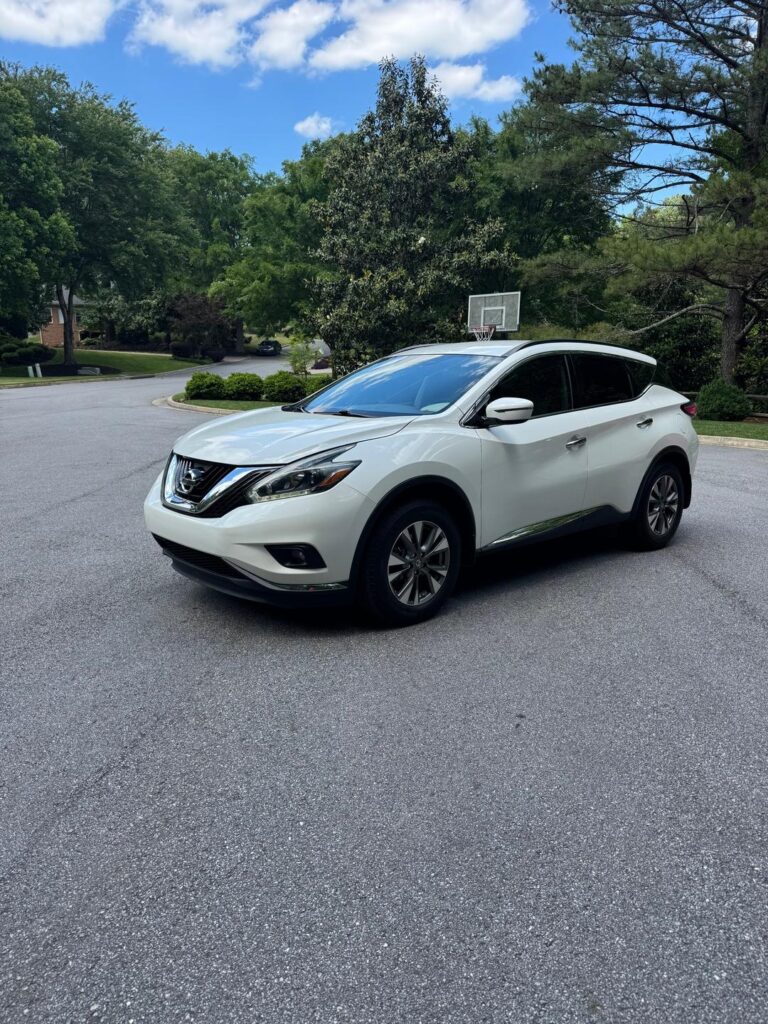
2018 Nissan Murano
Platinum • 78,500 miles
Atlanta, GA
$15,750
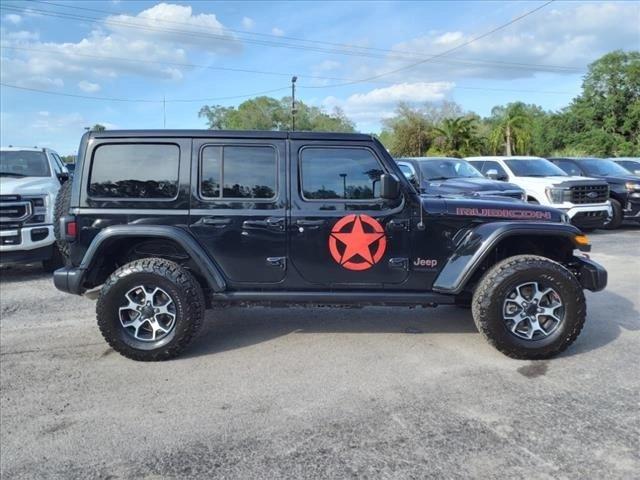
2022 Jeep Wrangler
Unlimited Ru • 41,235 miles
Ormond Beach, FL