

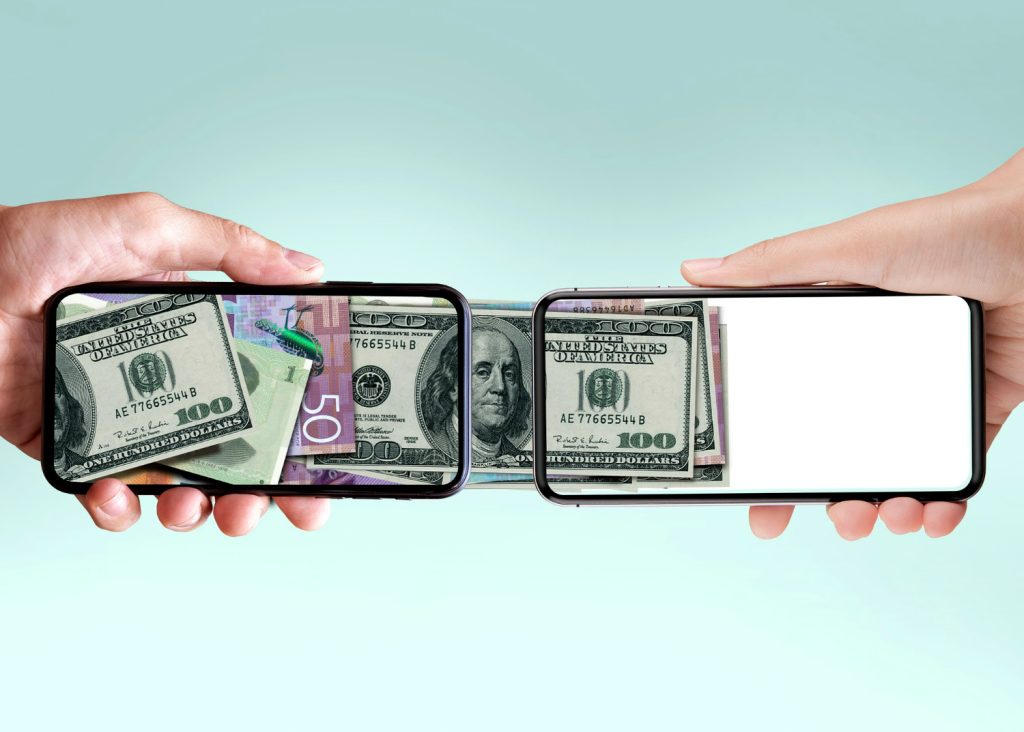
Stop Losing Deals Over Money Transfer Mistakes
Knowing how to transfer money for a car sale can be the difference between a smooth deal and a total mess. Private sales often mean better prices for both sides, but one wrong move with the payment can kill trust fast.
Spring and summer bring road trips, graduations, new jobs, and a lot more people buying and selling cars on their own. That also means more chances for scams, delays, and mixed signals. When the money part feels shaky, people walk away, even from great deals.
In this guide, we will walk through the money transfer mistakes that regularly derail private car sales, what can go wrong with each one, and what to do instead so the deal actually closes. We will also share how a platform like PrivateAuto keeps dealers and middlemen out while giving both sides verified identities, instant secure payments, and guided paperwork.
Confusing Payment Terms Before You Meet
One of the biggest problems happens before anyone even sees the car. Buyer and seller agree to meet, but they never agree on how the money will move. Then they end up facing each other in a parking lot, both unsure what happens next.
Common issues include:
- No clear payment method decided
- No agreement on where the payment will happen
- No shared plan for timing, price, or fees
When this happens, you can get:
- Awkward standoffs, where nobody wants to hand over keys or cash first
- Last-minute cancellations because someone does not trust the setup
- Long back-and-forth about price, taxes, and extras while the other person gets frustrated
Another common mix up is timing and location. One person thinks the deal will happen at a bank on a weekday afternoon. The other expects a quick weekend meetup in a busy lot. Add in holidays, family trips, and work schedules, and the deal can fall apart before the test drive.
On top of that, people forget to confirm details like:
- Final agreed price
- Any deposit already paid
- Who covers taxes, title, or local fees
- Whether there is a loan or lien still on the car
To prevent this, lock in the basics in writing before you meet:
- Exact dollar amount for the sale
- Payment method you will both use
- Where and when the money will move
- How you will handle any lien or payoff.
Using a platform that lets both parties see and agree to terms inside an app helps keep everyone on the same page from the start.
Relying on Risky or Outdated Payment Methods
Many private car deals still lean on old habits that do not fit big, fast transactions.
Cash sounds simple, but it creates real problems:
- Carrying large amounts is unsafe, especially in public meetups
- Counterfeit bills can be hard to spot in the moment
- Theft risk is higher when people know you are bringing a lot of money
- Banks may have withdrawal limits that slow everything down
Checks, both personal and cashier’s, bring their own headaches. A personal check can bounce or be stopped after the seller hands over the keys. Cashier’s checks look more secure, but fake ones are common. A bank may accept the deposit at first, then flag it days later. By then, the car is gone and the money is not real.
Wire transfers are not perfect either. They can:
- Be sent to the wrong account by mistake
- Get delayed or held for review
- Be blocked by cutoff times, bank hours, or holiday closures
If you are trying to close a deal on a warm weekend evening, you do not want to be standing there waiting for a wire to clear while the bank is closed.
A safer approach is to move money in real time inside a secure platform that:
- Confirms both parties’ identities
- Transfers funds instantly
- Avoids bank cutoff times and long clearing delays
That way, the seller sees the money, the buyer sees confirmation, and both can finish the deal on the spot.
Trusting “Instant” Apps Without Real Protection
Peer-to-peer payment apps feel quick and easy, but they are not built for high-value car sales.
Many people think these apps give purchase protection for big items. Often they do not, especially for vehicles. If the payment is sent the wrong way or to the wrong person, it can be very hard to fix.
Another issue is limits. A lot of these apps cap how much you can send per day or week. Car prices often sit above those limits. That leads to:
- Split payments across several days
- Confusion about how much has actually been paid
- Extra risk if one part of the payment never comes through
There is also the problem of fake proof. Scammers send:
- Edited screenshots that show “payment pending”
- Spoofed emails that look like app alerts
Sellers who trust the screenshot instead of the real balance sometimes hand over keys before the money is truly there.
A better way to transfer money for a car sale is to use a setup where:
- Money moves in a single, verified transaction
- Both sides see live, in-app confirmation
- There is no need to trust screenshots or emails as proof
This keeps the focus on actual cleared funds, not on what a message claims is happening.
Overlooking Liens, Titles, and Paperwork Timing
Money is only part of a safe car sale. Paperwork can derail the deal too, especially when a loan is still attached to the vehicle.
If there is an outstanding lien, the bank still has a claim on the car. Trying to swap keys for cash without handling that first puts everyone at risk. The seller cannot deliver a clear title, and the buyer might pay for something the lender still technically owns.
Timing is another common problem. Sometimes, the money is transferred, but:
- The seller needs days or weeks to get the physical title
- The title is in another state
- The paperwork is stuck in a slow office queue
During that gap, someone may be driving a car that is not yet in their name. Tickets, accidents, or damage can create a messy blame game.
State-specific rules add more layers. Every place handles titles, plates, and taxes a bit differently. In warmer months, offices that handle these tasks often get backed up. Longer lines and slower processing can make the handoff process drag out.
To keep order, it helps to:
- Confirm lien status before you agree on payment
- Coordinate any payoff amount with the lender
- Follow a clear step-by-step workflow for when money moves and when the title changes hands
Platforms that guide you through each step keep the legal side moving in the right order, not just the money side.
Lock in a Safer, Faster Car Payment Plan Today
Private car sales can be smart for both buyers and sellers, but unclear money plans, risky payment methods, and missing paperwork can turn a great deal into a bad memory. All it takes is one bounced check, one fake screenshot, or one ignored lien for someone to lose both the car and the cash.
For your next sale, focus on three things:
- Decide how to transfer money for a car sale before you meet and put it in writing
- Verify identities and title status before any funds move
- Use a real-time, traceable payment method built for large transactions
At PrivateAuto, we built our platform around exactly these steps. We verify identities, support instant secure payments, and guide you through the paperwork so you can close the deal with confidence during the busy spring and summer seasons, without money transfer mistakes getting in the way.
Secure Your Next Car Purchase With Confidence
If you are ready to buy or sell a vehicle privately, we make the entire process safer and more straightforward. Learn exactly how to transfer money for a car sale with our built-in secure payment tools and step-by-step workflow. At PrivateAuto, we help you protect your money and personal information while keeping control of your transaction. Have questions about getting started or need help with a specific deal? Just contact us and our team will walk you through your options.
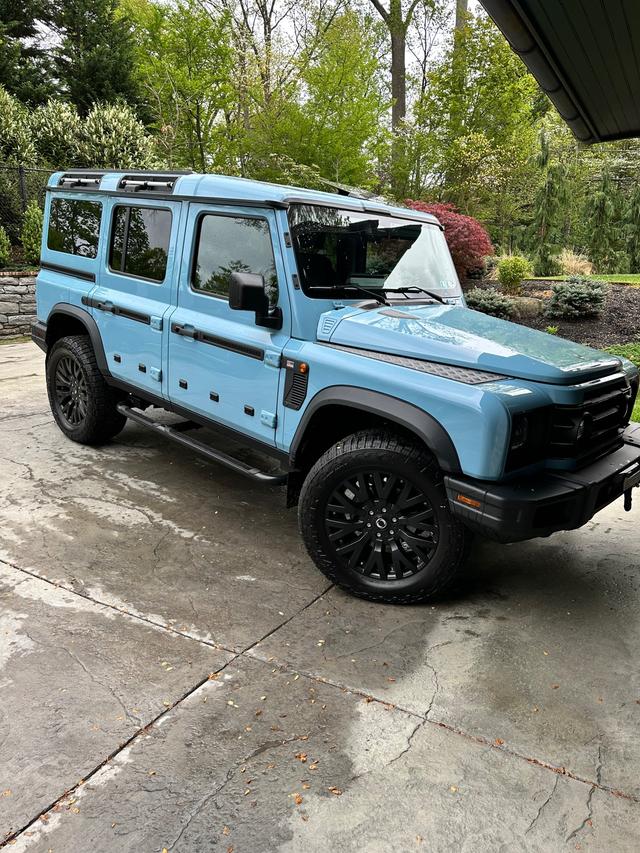
2024 INEOS Grenadier
Base • 3,300 miles
Ardmore, PA
$75,000

2024 INEOS Grenadier
Base • 4,200 miles
Bedford, VA
$74,000
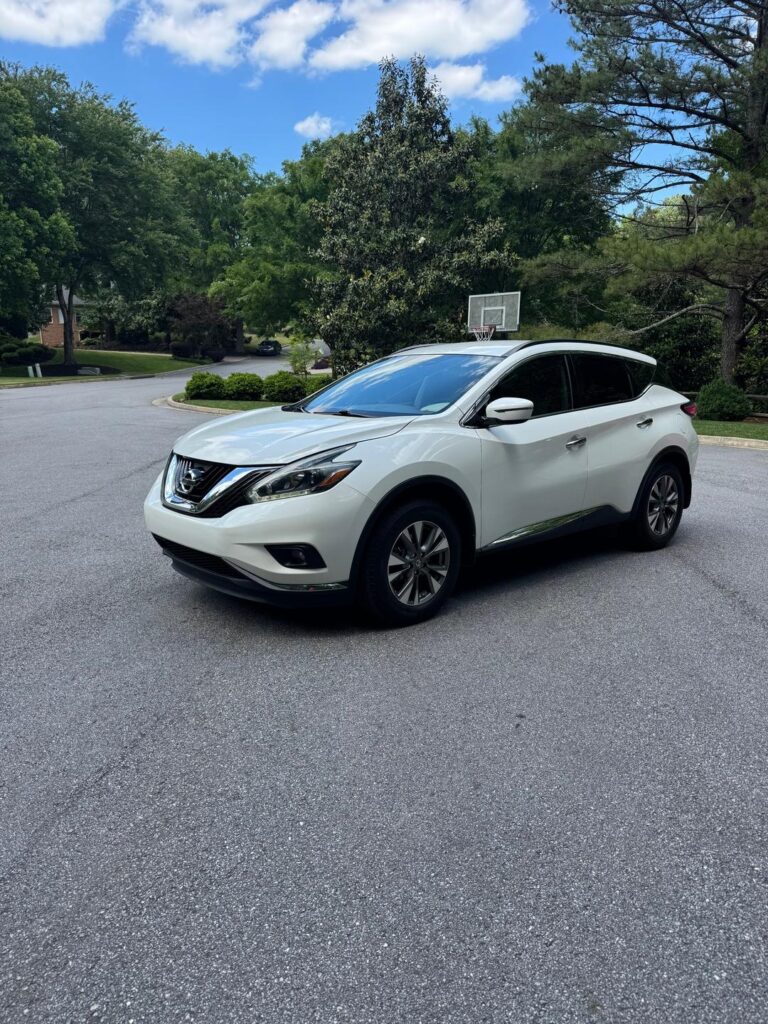
2018 Nissan Murano
Platinum • 78,500 miles
Atlanta, GA
$15,750
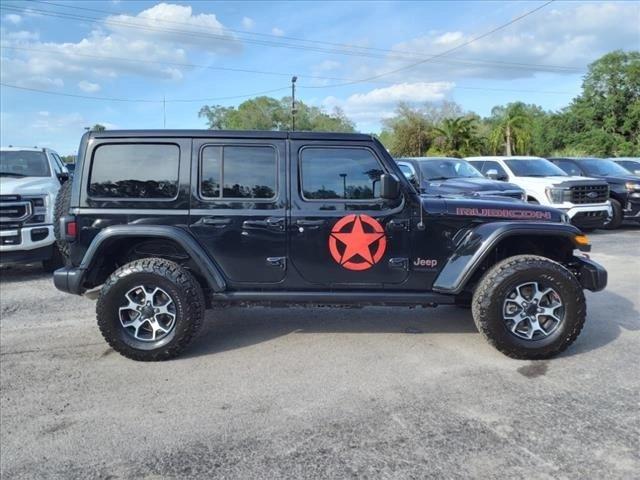
2022 Jeep Wrangler
Unlimited Ru • 41,235 miles
Ormond Beach, FL