


Transferring a car’s ownership might sound like one final step after the sale, but it’s actually one of the most important parts of the process. Without a proper ownership transfer, the buyer can’t legally drive the car, and the seller might still carry legal responsibility for what happens with it. The last thing anyone wants is a speeding ticket or registration notice popping up under the wrong name. That’s why both parties need to handle this step carefully.
With more people turning to private seller car websites to buy and sell vehicles, knowing how to manage the ownership transfer is more helpful than ever. These websites often connect buyers and sellers directly, so it’s up to them to get the paperwork and steps right. If you’re getting ready to sell (or buy) a car this way, having everything lined up before you begin can make the transfer way smoother.
Preparing For The Transfer
Before beginning the actual transfer of ownership, it helps to have a clear list of everything you need. Both the buyer and the seller play a part here, and if even one step gets skipped, delays can happen. Here’s how to get things lined up before any signatures hit the page.
– The Title: The title proves who officially owns the car. The seller will need it in hand and should double-check that it’s clear of any liens. A lien means a loan is still active on the vehicle. If there’s an outstanding loan and the title isn’t in the seller’s name only, the sale can’t move forward until the lien is cleared.
– Bill of Sale: Some states require this, even if you’re selling to a regular person instead of a dealer. It lists the sale price, the date, buyer and seller info, and vehicle details like make, model, year, and VIN.
– Photo ID: Both the buyer and the seller should have valid government-issued IDs to help confirm identities. A copy of each helps keep a written record in case anything needs to be verified later.
– Proof of Insurance: The buyer usually needs to show this before they can legally drive the car away.
– Odometer Disclosure: Some states ask for a signed statement with the vehicle’s mileage. This helps avoid any misrepresentation about how much the car’s been used.
One example to consider is a seller who forgets to remove a lien on their vehicle before listing it. A serious buyer agrees to purchase, only to find out they can’t take ownership yet. The deal now has a problem that puts the sale at risk or, worse, leads to legal trouble. These kinds of mix-ups are avoidable with the right prep. Having the documents ready means fewer surprises and a more confident exchange for everyone involved.
Taking time upfront to gather all paperwork and verify details goes a long way toward a successful ownership transfer. Once both sides have checked these boxes, the next part, completing the physical transfer, can move along with far less stress.
Completing The Transfer Process
Once the paperwork is in order, it’s time to move forward with the actual transfer. This step usually takes place after the buyer has inspected the car, and both parties agree it’s time to close the deal.
Start by signing over the title. The seller needs to fill out the assignment section on the back of the title, which usually includes the buyer’s name, current mileage, and date of sale. The buyer then signs their part and keeps the document safe until they take it to the appropriate agency, which is usually the DMV.
Odometer disclosure sometimes trips people up. Some states require a separate odometer statement if the car is less than a certain age. Others roll it into the main title form. Even if it’s not legally required in your state, it’s a good idea to note the mileage somewhere in writing for the sake of clarity.
Then comes the license plates and registration. This part can vary depending on what state you’re in. Some states let the seller keep their plates, while others expect them to stay with the car. Buyers should always double-check local rules so they don’t get stuck without valid tags. The same goes for registration. Once the buyer has the title, they’ll often need to register the vehicle in their name before they can legally drive it.
Taking photos of the final documents before handing them over can offer peace of mind. It’s not required but can help if anything ever needs to be double-checked.
Notifying State And Insurance Authorities
After the physical part of the hand-off is done, both parties still have a few loose ends to tie up. These steps aren’t complicated, but skipping them can lead to headaches.
The seller should notify their local DMV that the car has been sold. Most states have a release-of-liability or notice-of-transfer form that the seller can submit online or by mail. This protects the seller from being held responsible if the buyer delays registration or gets into an accident before updating the title.
The buyer, on the other hand, needs to report their new purchase and get it registered in their name. That usually means a trip to the DMV with the signed title, proof of insurance, and payment for registration fees.
Here’s what to remember:
– Notify your insurance company right away to update, activate, or cancel coverage
– Inform local tax offices if your state assesses vehicle taxes based on ownership
– Cancel any automatic services linked to the vehicle, like toll accounts or emissions permits tied to a specific plate number
It may seem like a lot to track, but taking care of these things while the sale details are still fresh can make the whole experience easier.
Helpful Tips For A Smooth Transaction
To keep things on track and avoid last-minute stress, a few habits make a big difference. Most of them come down to communication and awareness.
– Use secure payment options. Cash or verified electronic transfers reduce the risk of scams or payment issues
– Meet in a public place when handing off the car and documents. Some people go to a local police department lot or well-lit parking area
– Keep messaging in writing. Whether through texts, emails, or a platform that offers built-in messaging, having a record of what was said and agreed on matters more than most think
– Don’t leave blank lines on any documents. Every item on the title or bill of sale should be filled in so that nothing can be altered later
– Let the buyer inspect the vehicle privately at their pace. Rushing this step can cause them to back out
An example worth sharing is about a buyer who met a seller at their home. Things looked good, but once they started filling out documents, the seller revealed a second person on the title who wasn’t present. That created an instant delay, and the buyer walked. Small surprises like that can derail a deal fast.
Clear steps and honesty make all the difference when people rely on private seller car websites to do business. Transparency at every stage from pricing, documents, vehicle condition, and communication builds trust quickly.
Making It Stick Without the Stress
By the time everything’s signed, verified, and handed off, it might feel like the job’s done, but double-checking is what keeps things from slipping through the cracks. Going back through your checklist ensures peace of mind and keeps both parties protected if anything unexpected shows up later.
Think back over each step: the documents, the title, the payment, and the notifications. If anything feels incomplete or questionable, it’s better to stop and get it cleared up than try to fix it weeks down the road. Buyers should confirm they received everything they’ll need for registration. Sellers should make sure the release of liability is filed and their old insurance policy is canceled or updated.
The good part is that the process doesn’t have to be overwhelming. Private seller car websites are built to offer more structure for deals like this. They make it easier to reach real people, trade safely, and move through each part of the process with fewer unknowns. Looking at your transfer through that lens can take the pressure off and keep things moving ahead smoothly.
If you’re ready to buy or sell a car with confidence and simplicity, private seller car websites offer tools that make the process straightforward from start to finish. PrivateAuto gives you everything you need to handle paperwork, payments, and communication all in one place. Get started today and take the stress out of your next vehicle transaction.
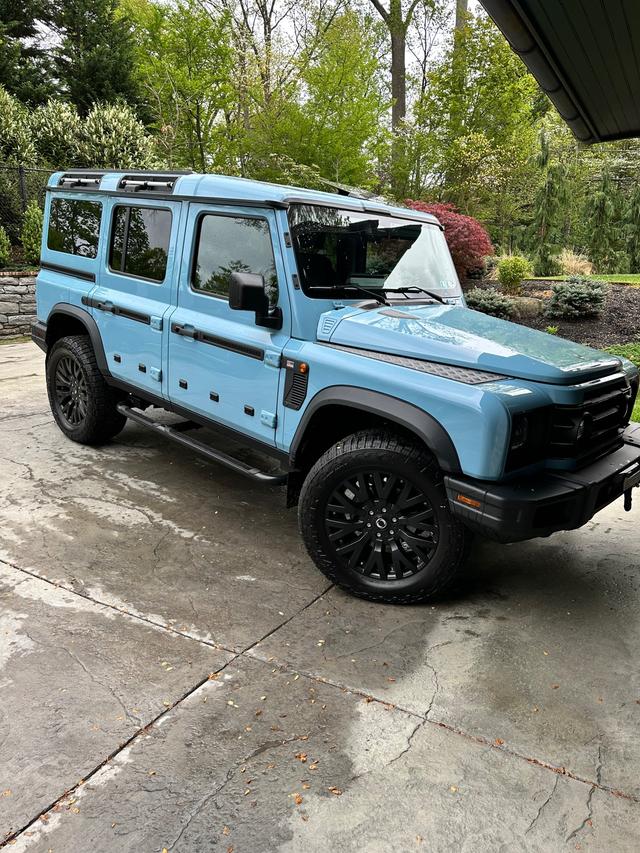
2024 INEOS Grenadier
Base • 3,300 miles
Ardmore, PA
$75,000

2024 INEOS Grenadier
Base • 4,200 miles
Bedford, VA
$74,000
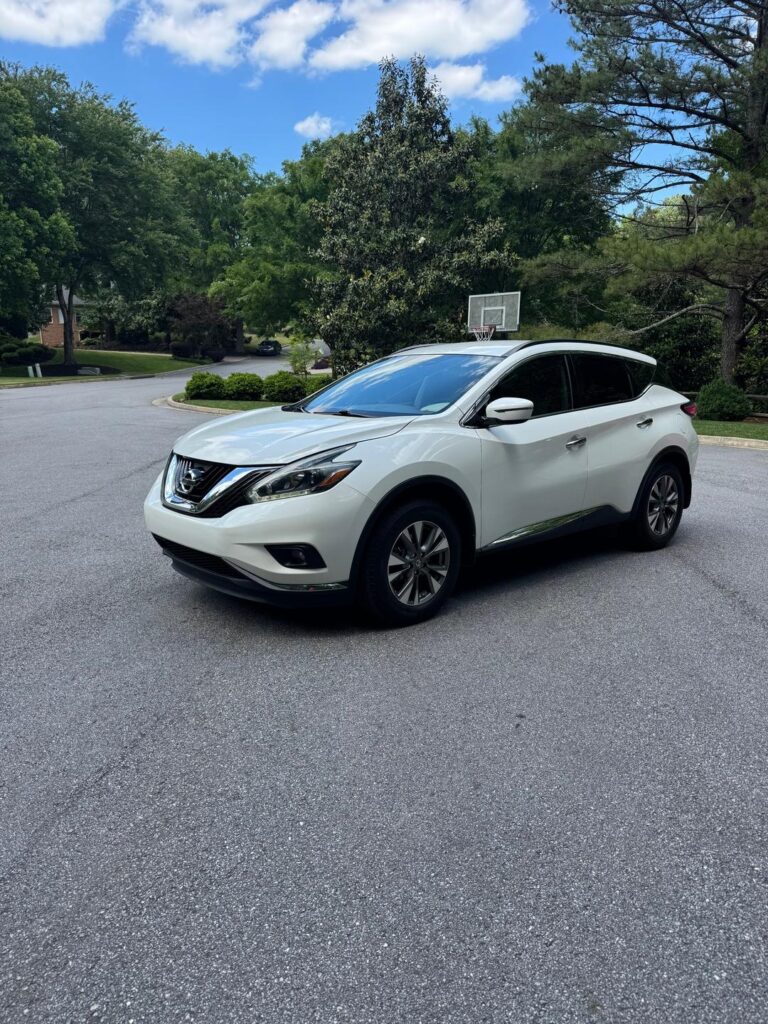
2018 Nissan Murano
Platinum • 78,500 miles
Atlanta, GA
$15,750
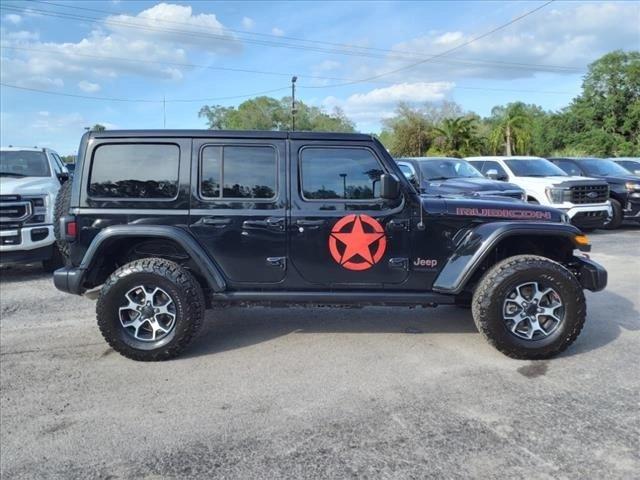
2022 Jeep Wrangler
Unlimited Ru • 41,235 miles
Ormond Beach, FL