

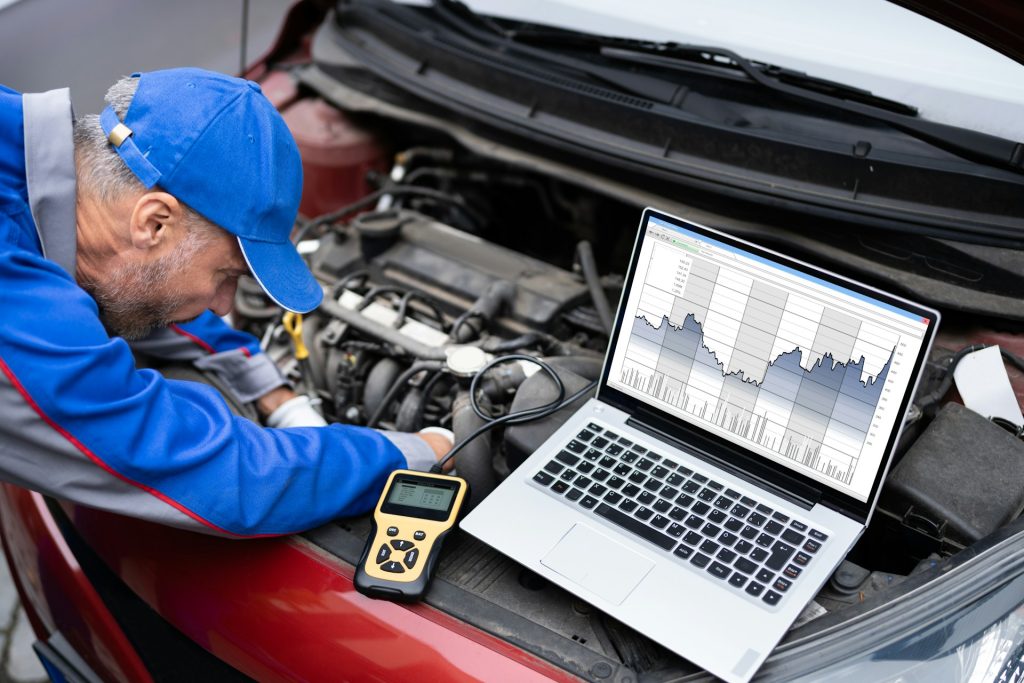
Buying a car from a private party can be a smart way to save money and get more value. But it also means you take on more responsibility when it comes to doing your homework. One of the biggest steps you can’t skip is a full vehicle inspection. It’s easy to get excited about a good-looking car with a price that sounds fair, but if you don’t look deeper, you might miss problems that could cost you more down the line.
A vehicle inspection puts you in better control. Instead of guessing, hoping, or just trusting a stranger’s word, you get to see for yourself what shape the car is really in. That’s where a checklist helps. It keeps you focused, organized, and makes sure you don’t miss anything important before handing over your money or making an offer. Here’s how to work through key parts of your inspection, starting with what you see on the outside.
Exterior Inspection
The exterior of a car can tell you a lot before you even open the door. While it’s normal for used cars to have some wear, heavy damage or signs of quick covering-ups should raise a red flag. Take a slow walk around the vehicle and look at it from different angles.
Here’s what to check:
– Look closely for dents, deep scratches, rust spots, or paint that doesn’t match the surrounding areas. Mismatched paint might mean a repair job from an accident.
– Check how the body panels line up. Uneven gaps can be a sign the car was in a crash and not repaired straight.
– Inspect the tires. Make sure all four match in brand and size, have even tread wear, and no cracks or bulges on the sides.
– Examine all the lights, including turn signals and brake lights. Make sure none are cracked or have water inside.
– Test the doors, trunk, and hood. They should open and close smoothly without strange noises.
– See if the windshield and windows have any chips or large cracks.
One older buyer we worked with said she nearly bought a small SUV until her son pointed out the washer fluid nozzles didn’t match. That small clue led to more digging, which revealed a previous front-end repair not mentioned by the seller. Spotting small things like this can really save you from trouble.
Don’t feel rushed. Sellers who are serious won’t mind if you take the time to inspect the car carefully. If possible, do this in daylight. Natural light will help you spot flaws better than garage or street lighting.
Interior Inspection
Once the outside looks good enough, take your time inside. The interior condition can reveal a lot about how the car was cared for and whether its features are still holding up.
Start with the basics:
– Check the seats for tears, fading, or unusual smells. Try to adjust each seat, especially the driver’s.
– Look at the dash. All warning lights should blink on briefly after ignition, then turn off.
– Test the AC and heat. Try the vents on full blast and through all settings.
– Try the radio, power windows, mirrors, and interior lights. If there’s a sunroof, test that too.
– Test less-used buttons like cruise control or the rear defroster.
– Pull up floor mats and feel for any damp spots. Moisture under the mats can mean leaks or past flood damage.
Check the glove box, center console, and cupholders for signs of spills or damage. You may even find extra documents, such as service records or an owner’s manual, which can be a nice bonus. A clean and fully functioning interior shows that the owner likely kept the car in good condition overall.
Take your time with the interior. It adds to your comfort and tells you about how the car was treated day to day.
Engine and Under the Hood
After checking the inside, it’s time to pop the hood. Even if you’re not a car expert, a quick under-hood check can tell you a lot.
Here’s where to start:
– Look around the engine bay for any obvious problems—wet spots, leaks, or loose hoses.
– Pull the oil dipstick. The oil should be a rich amber and smooth, not dark and gritty.
– Check the belts for any cracks or shiny patches. Faulty belts can snap and leave you stranded.
– Squeeze hoses gently. They should feel firm, not brittle or overly soft.
– Look at the battery terminals. Corrosion build-up can prevent it from starting properly.
– Take a quick sniff under the hood. If it smells burned, chemical-like, or like fuel, that could be a red flag.
If you know how, check the coolant and transmission fluid. Coolant should be colorful and not cloudy. Transmission fluid should be pinkish, not brown or burnt-smelling.
Even if a car shines on the outside, problems under the hood can lead to expensive repairs. Now’s the time to speak up or walk away if anything feels off.
Test Drive Evaluation
A good test drive is more than just a loop around the block. It gives you a feel for the car and helps confirm that it’s running the way it should.
Here’s how to make the most of the test drive:
- Drive on both main roads and the highway, if possible. Traffic stops and higher speeds give you different feels for the car.
- Pump the brakes a few times. They should feel firm, not mushy. No rubbing or squealing either.
- Let go of the steering wheel briefly on a flat road. If it drifts to one side, the alignment might be off.
- Listen closely. Odd thumps, squeaks, or whining sounds can point to bigger issues.
- Test the steering on sharp turns and while parking. It should steer smoothly, without resistance.
- Watch the dashboard. Warning lights should stay off unless something’s wrong.
Pay special attention to how the suspension feels. If the vehicle bounces too much or feels stiff, the shocks or struts might need work.
One driver we spoke to said the car looked perfect when parked. But out on the highway, he noticed a constant high-pitched hum. Turned out to be a bad wheel bearing, which isn’t cheap to fix. That’s why the test drive matters so much.
Final Checks and Documentation
The last step is to go over the paperwork. Don’t skip this part. Even a great test drive can’t make up for bad documents.
Here’s what you need to cover:
– Find the VIN in a few spots, like the dashboard, driver-side doorframe, and registration. Make sure the numbers match.
– Ask for maintenance records. Regular oil changes or major repairs are good signs of a cared-for car.
– Request a full vehicle history report. Accidents, title issues, past flooding, or salvage titles should all be shown.
Keep an eye out for these things:
– Is the seller’s name the one listed on the title?
– Has the car had more owners than expected for its age?
– Are there any open recalls that haven’t been fixed yet?
Some sellers are organized and have a folder of records ready to go. Others may not have much on hand. If something’s missing, ask questions and go back over your inspection notes. The goal is to feel confident about what you’re buying.
Smooth Ride Ahead
Checking every part of a used car might feel like a hassle, but it’s one of the smartest things you can do. Taking time now can save you from big headaches later.
Keep your checklist close, and take your time looking at every part of the car—from the exterior and interior to under the hood and on the road. Follow through with documentation and ask questions if something doesn’t feel right. That’s how you protect yourself and your money.
Buying a car from a private party should be a great move, not a gamble. Approaching it with a plan makes a real difference. Keep your inspection tools ready, trust your instincts, and take control of your buying experience.
Looking to buy private party used car without the hassle or guesswork? PrivateAuto makes it easy to handle every step with confidence, offering a streamlined platform where safety and convenience come standard. Learn how to take control of your purchase and get on the road faster by exploring buy private party used car options today.
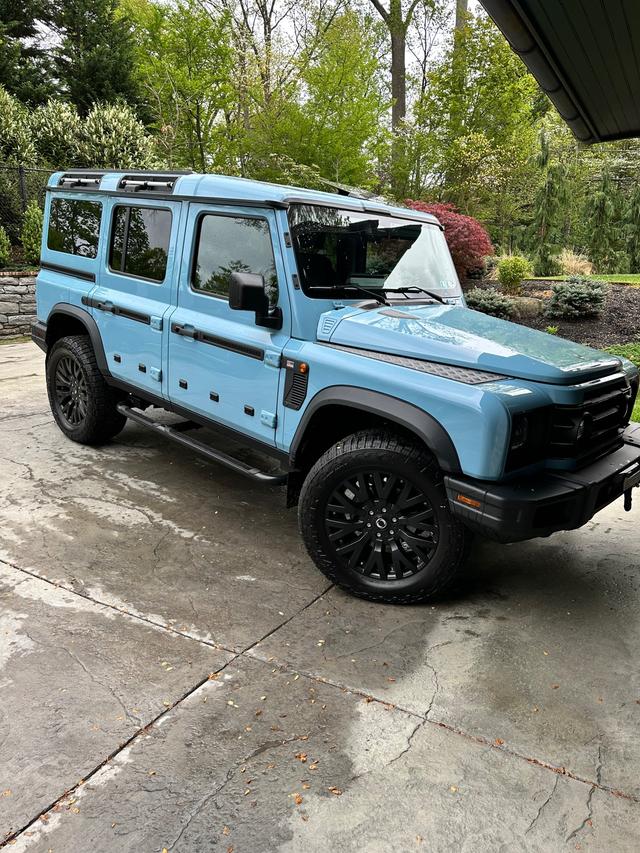
2024 INEOS Grenadier
Base • 3,300 miles
Ardmore, PA
$75,000

2024 INEOS Grenadier
Base • 4,200 miles
Bedford, VA
$74,000
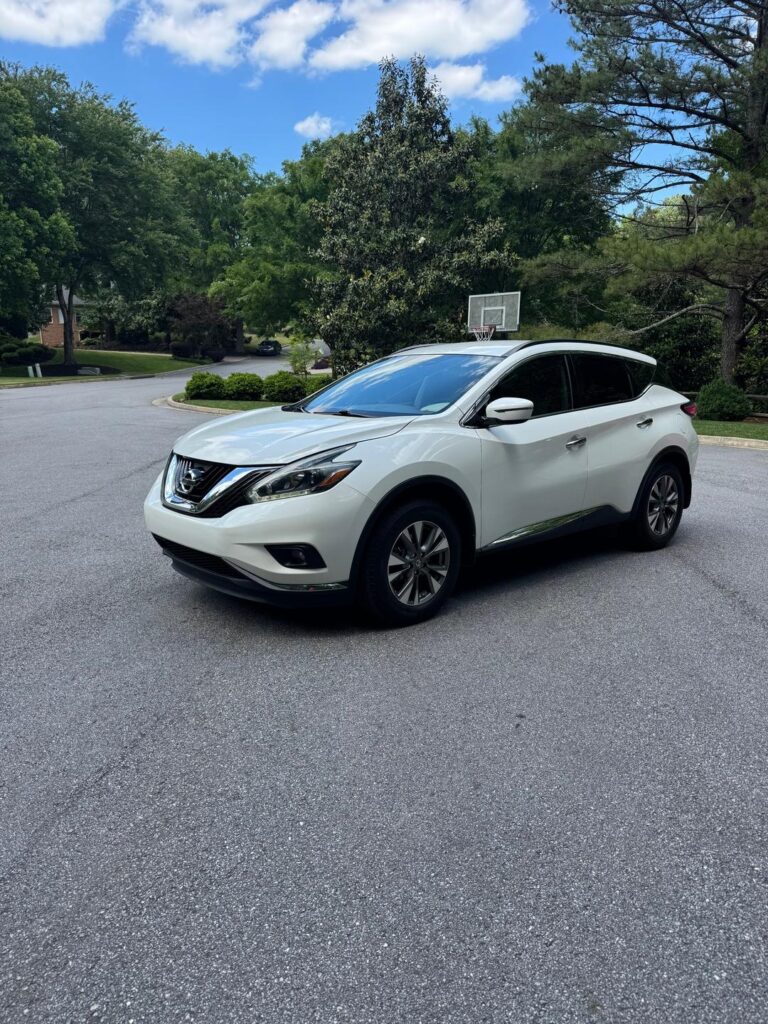
2018 Nissan Murano
Platinum • 78,500 miles
Atlanta, GA
$15,750
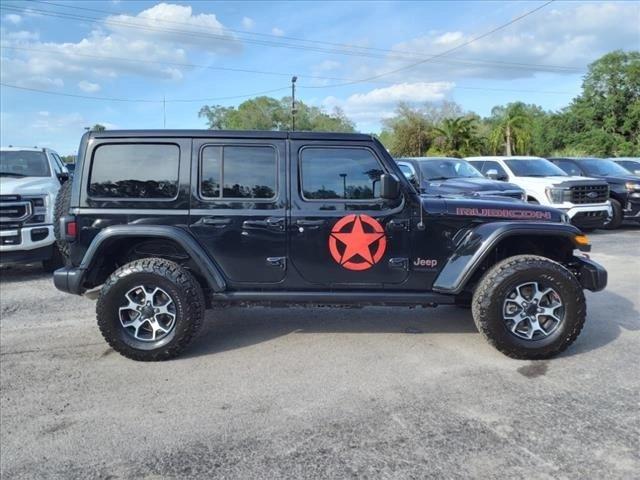
2022 Jeep Wrangler
Unlimited Ru • 41,235 miles
Ormond Beach, FL