

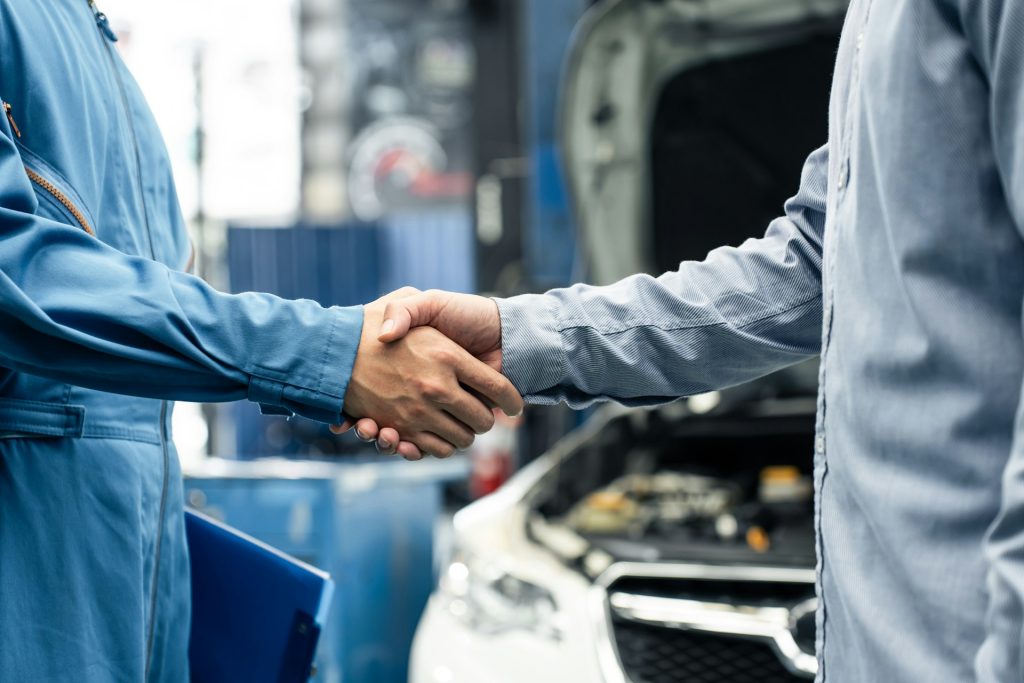
Getting ready to sell your car skips a lot of headaches when you take the time to prep ahead. If you’ve ever asked yourself, “How do I sell my car private party without running into problems?” you’re not alone. Going the private route can help you get more money, but it also puts you in charge of handling every detail. Whether this is your first time or your fifth, a little structure goes a long way.
Good prep work means fewer surprises, smoother conversations, and better results. Buyers appreciate honesty, clear info, and clean cars. If your car looks neglected or if you’re missing important documents, chances are people will walk away. The good news? Prepping your car doesn’t take forever. You just need to know what to focus on. Let’s walk through the steps you’ll want to take before listing your vehicle for sale.
Clean And Detail Your Car
The first thing people notice is how your car looks. A dirty or dusty car immediately suggests it’s been neglected, even if the engine runs like a dream. First impressions matter, and nothing turns someone off faster than peeling window stickers, crumbs in the seat cracks, or a musty smell when they get behind the wheel.
You don’t have to spend a fortune here, but don’t cut corners either. Start with a solid wash, paying attention to door handles, wheel wells, and windows. You want the outside to shine. Don’t forget the tires. They may not seem that important, but clean ones make your car look well cared for. For the inside, vacuum all the seats and floor mats, wipe down the dashboard and interior panels, and remove any personal items. That includes water bottles, sunglasses, stuff in the glove box, or anything that might distract or confuse a potential buyer.
Here’s a quick cleaning to-do list to help you stay on track:
– Wash and dry the exterior completely
– Clean wheels and tires
– Vacuum seats, carpets, and floor mats
– Wipe down windows inside and out
– Remove trash and personal belongings
– Wipe surfaces like the console, steering wheel, and cup holders
– Use an odor eliminator if needed (avoid heavy perfumes)
Think of it like preparing your home for an open house. The cleaner and neater it looks, the easier it is for someone to imagine themselves owning it. If your car has pet hair, sticky cup holders, or leftover receipts crumpled in the seat pocket, buyers may assume you haven’t taken care of other things too, like oil changes or brake service.
Gather Important Paperwork
Once your car looks the part, it’s time to pull together the paperwork. People often overlook this step until it’s too late, slowing down the sale. If you’re saying “I’m ready to sell my car private party,” but don’t have the right forms, you can end up causing delays or worse, chasing down missing info during the sale.
The good news is you don’t need a ton of docs to get going. Here’s what you’ll most likely need:
– Vehicle title (clear or with lien release if paid off)
– Bill of sale
– Maintenance records (oil changes, tire rotations, major repairs)
– Emissions report (if your state requires it)
– Odometer disclosure statement (usually applies if the vehicle is under a certain age)
– Valid ID for both parties during the final transaction
Having these ready makes the process feel more professional and builds buyer confidence. If you’re selling near the end of the year, double-check with your local DMV for any annual tax updates or fee changes that might kick in around the new year. Some buyers like this kind of info upfront so they know what to expect when they take ownership.
If you’re keeping receipts or records in your glove box, pull them all out and organize them into a small folder or envelope. That way, when someone asks about service history, you’re not digging through old emissions slips or trying to remember whether you rotated the tires at 40,000 miles or 50,000. It’s one of those small moves that can help win over a serious buyer.
Take High-Quality Photos
Photos can make or break your listing. No matter how great the car is, poor lighting, blurry shots, or missing angles will push potential buyers to keep scrolling. Pictures are often the first thing people look at before they even read the description. They want to see what they might be buying, so each photo needs to be clear, honest, and helpful.
Start by finding a clean and open space to park your car. It could be a driveway, parking lot, or side street with plenty of daylight. Early morning or late afternoon works best because the lighting is softer. Avoid harsh shadows or dark garage corners. Get shots from multiple viewpoints including front, back, both sides, a three-quarter angle, and the roof.
Once you’ve covered the outside, move on to the inside:
– Dashboard and odometer
– Front and back seats
– Steering wheel and center console
– Trunk or cargo area
– Tires and rims
– Engine bay (wipe it down if needed)
– Any dents, dings, or scratches
Don’t skip showing imperfections. Being upfront builds trust, and people appreciate transparency. If your car has new tires or a touchscreen infotainment system, show it off. If there’s cracked leather on the seat or missing trim, take a photo too.
Think of it like you’re walking the buyer through the car without them physically being there. The better your photos, the easier it is for someone to picture owning it. One seller shared how their first listing got no bites, but after retaking photos in daylight and showing off the clean interior, they had two interested buyers by the weekend. A little effort made a big difference.
Write A Compelling Description
After the photos grab attention, the description keeps people reading. It’s your place to share your car’s story, what condition it’s in, what’s been replaced, and what features the buyer can look forward to. Keep things clear and simple, and stay away from over-the-top claims. You’re not writing an ad for a luxury car unless it really is one.
Include these basics:
– Make, model, year, and trim level
– Mileage
– Maintenance history (oil changes, new brakes, or recent tires)
– Any upgrades (Bluetooth stereo, remote start, tinted windows)
– Mechanical issues, if any
– Accident history, if any
– How many owners
For example, instead of writing, “Runs great,” say something like, “New battery installed in August. AC blows cold. No check engine lights.” That gives real context. If the car has never been smoked in or had pets, mention it. Small, honest details help build trust.
Avoid typing in all caps or adding emojis. You don’t want it to feel like a late-night commercial. A calm and accurate description sets the right tone. You’re giving buyers good reasons to reach out, not trying to pressure them.
Price Your Car Competitively
Listing your car for the wrong price, whether too high or too low, can hurt your chances. Look at other listings for similar cars in your area. Mileage, condition, trim level, and year all affect value. If your car has fewer miles or extra features, you’ll be able to ask a bit more. If it’s got body damage or mechanical issues, factor those in and expect questions.
This time of year, late November, can change how people shop. As the holidays approach, fewer folks may be browsing, but that also means there’s less competition from other sellers. You don’t need to panic if it’s been a few days without messages. Give it a little time before making big price adjustments.
If you want to leave yourself some room to negotiate, list it a bit above your minimum price. But don’t push it too far. If market value is $10,000 and you ask for $12,500, some serious shoppers won’t even give your listing a chance. A small cushion is fine, but keep the asking price realistic.
Closing The Deal Securely
Once someone’s ready to come check out the car, play it smart. Set up the meeting during the day at a public location with regular activity. Grocery store parking lots or nearby banks are good choices. If you’re not comfortable meeting alone, bring someone along.
Always check that the buyer has a valid driver’s license before handing off the keys for a test drive. Ride along if you can. If not, at least hold onto their ID. A lot of sellers also jot down the plate number for peace of mind. If anything feels off, don’t ignore it. Trust your instincts.
When payment time comes, avoid personal checks. Go with methods that are fast and traceable. Bank-to-bank transfers or money transfer apps with solid security options are good picks. If someone wants to pay in cash, meet at a bank so bills can be counted and verified.
After payment is made, both of you should sign the bill of sale and fill out any forms your state needs for title transfer and liability release. Remove your license plates if required where you live. Check with your local DMV to make sure you’ve handled everything properly. Don’t forget to hand over all the extras like keys, remotes, and any remaining paperwork when the deal is done.
Confident Selling Starts With Good Prep
Taking your time to prepare can make the sale easier, faster, and less stressful. From cleaning and paperwork to pricing and secure meetings, each step helps things run smoother. Buyers notice effort, and it reflects well on both your car and the way you’ve handled the deal.
Selling your car private party doesn’t have to feel risky or overwhelming. With these steps in mind, you’ll be ready to move through the process with confidence. Stay organized, be honest, and show pride in your vehicle. That effort can pay off in a big way when the right buyer comes along.
Ready to make your car selling experience smoother and more efficient? With PrivateAuto, you can sell my car private party without any hassle. Our platform handles everything from secure messaging to verified user interactions and instant payment processing, making every step of your sale simple and stress-free. Start your journey to a fast and reliable sale today.
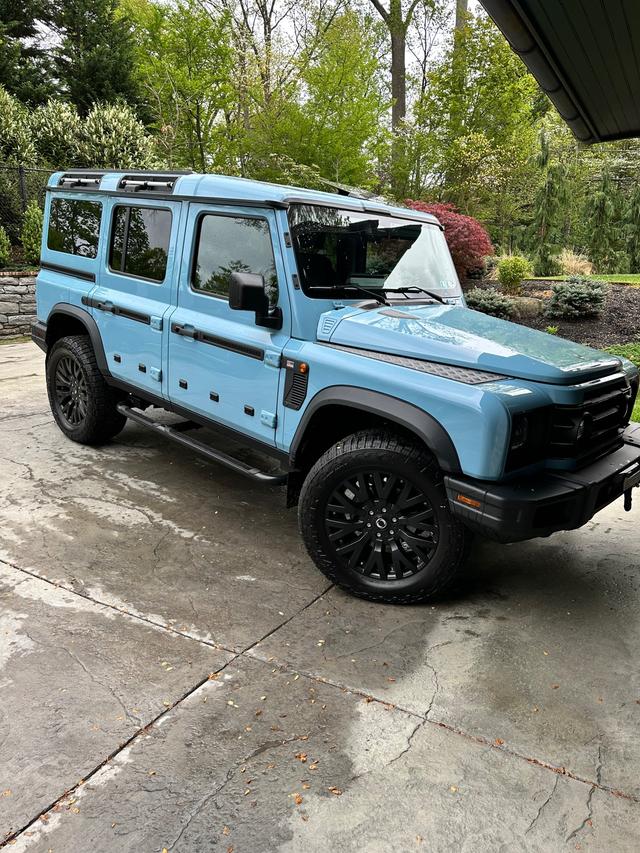
2024 INEOS Grenadier
Base • 3,300 miles
Ardmore, PA
$75,000

2024 INEOS Grenadier
Base • 4,200 miles
Bedford, VA
$74,000
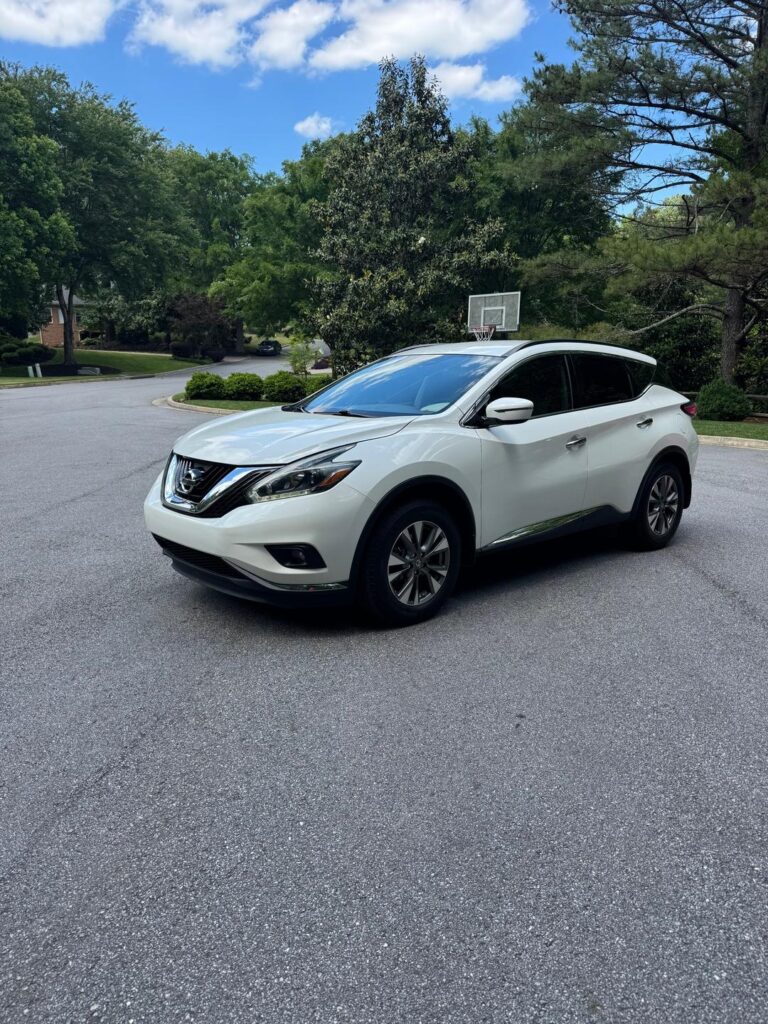
2018 Nissan Murano
Platinum • 78,500 miles
Atlanta, GA
$15,750
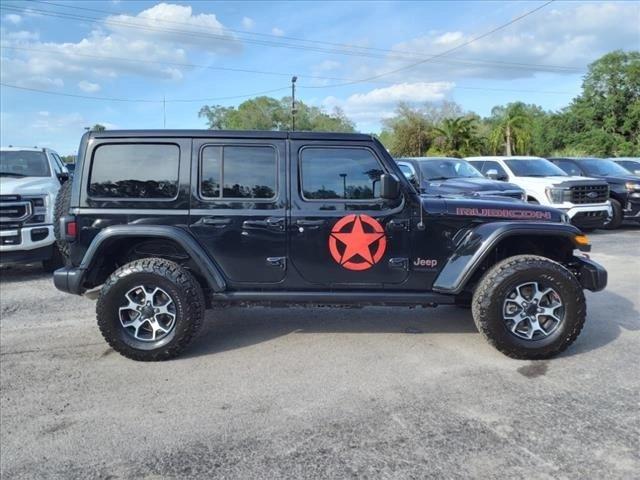
2022 Jeep Wrangler
Unlimited Ru • 41,235 miles
Ormond Beach, FL