

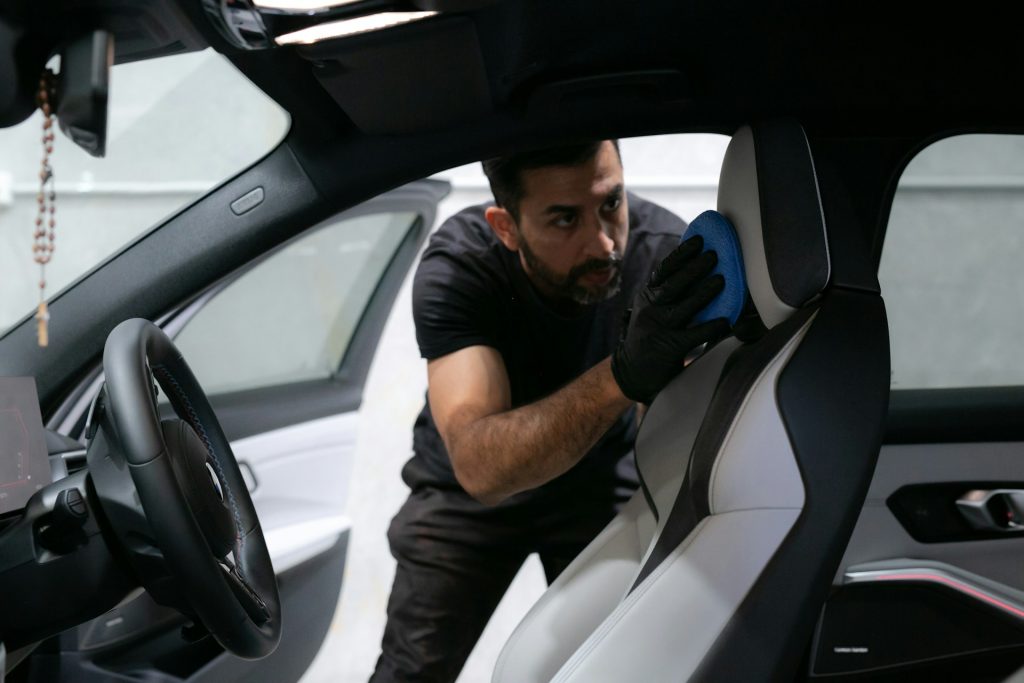
Buying a car from a private party can feel like you’re saving time and money. But if you skip the inspection step, you could end up stuck with a car that has problems under the surface. There’s no dealer to fix things later or offer any kind of warranty. What you see is what you get. That’s why giving the car a full look-over before finalizing the deal really matters.
Spending a bit of time checking the vehicle can help you avoid big repair bills or safety issues down the road. From body condition to how the engine sounds on the road, each part of the car tells a story. When you know what to look for and take your time doing it, you’ll feel way more confident about the car you’re buying.
Preparing For The Inspection
Before you meet the seller, you’ll want to get organized. Inspections aren’t just about what you see. They’re about what you bring, how you communicate, and making sure you’re fully ready to spot red flags. Even if you’re not a car expert, having the right tools and approach can make all the difference.
Here’s a simple list of items to bring:
– Flashlight (for low-light areas and under the car)
– Paper towel or rag (helpful when checking fluids)
– Pen and notebook or phone (to take notes)
– Plastic gloves (optional but nice to have)
– Your driver’s license (if you’ll be test driving)
Try to meet the seller during the day in an open, well-lit area like a public parking lot. Daylight helps you see dents, scratches, and paint issues better. Also, give yourself enough time. You don’t want to rush through this process because you’re squeezing it in on a short break.
It’s also smart to bring someone with you. A friend or family member might notice something you missed. If you know a mechanic, even better. Most of them can spot engine issues or odd tire wear at a glance. Having an extra opinion makes it easier to feel confident about your next steps.
Let the seller know ahead of time that you plan to take a closer look. People tend to be more helpful when they know what to expect. Good communication makes the meet-up smoother and builds trust on both sides.
Exterior Inspection Tips
Before anything else, take a walk around the car. Don’t just glance at it from a distance. Really check things up close. You’re looking for signs that the vehicle’s been taken care of, or the opposite.
Start with the body:
– Look for dents, paint differences, or rust patches. Focus on the lower edges, around the wheel wells, and under the doors.
– Check that panels line up evenly. Gaps that seem off could mean prior accident repairs.
– Peek under the car using your flashlight to spot any leaks or heavy rust.
Next, take a closer look at the tires. Uneven wear can mean a suspension or alignment issue. Look at all four, not just one. Don’t forget to check the spare if there is one. While you’re at it, press all lights and check for cracks in headlight or taillight covers.
Doors, windows, mirrors, and locks should all work smoothly. Try rolling down each window and opening every door. If something sticks or doesn’t latch well, that may be a sign of damage or wear. It’s the little things that help piece together the car’s history.
If you spot mismatched paint or oddly shiny spots, ask the seller about it. There might be a good reason. Or it might be a quick-fix coverup. Either way, better to know now than after you’ve paid for the car.
Interior Inspection Tips
Now’s the time to slide into the driver’s seat and check the cabin. The interior can reveal a lot about how the car was treated. A bit of wear on the seats is expected, but heavy damage or strong odors can signal issues that aren’t worth ignoring.
Start with the seats and seat belts. Make sure the belts buckle and release correctly and that the straps slide smoothly across your chest. Run your hand along the fabric or leather to check for rips, cigarette burns, or stains. Don’t forget to look under the floor mats for hidden damp spots or signs of water intrusion.
Next, turn on the car’s power and go through the system one step at a time:
– Test the AC and heat. Make sure cold and hot air come out of the vents.
– Switch on the radio or media player. Try adjusting volume and switching channels.
– Roll all windows up and down. Power functions should respond quickly.
– Press every button or knob on the dash and steering column. Items like hazard lights or cruise control should respond properly.
Take a minute to study the dashboard. Check for warning lights that stay on after startup, which could hint at mechanical problems. The odometer should display clearly and not look tampered with. Look at the steering wheel and pedals too. If they seem extremely worn for a car with low mileage, that might raise a few questions.
Sometimes it’s easy to overlook smaller things like glove box hinges, sun visors, rear defrosters, or dome lights. Run through them quickly so there are no surprises later. You’re not just inspecting for damage. You’re piecing together the car’s condition and how it was maintained.
Under The Hood Checks Before Buying From Private Seller
Lifting the hood is where a little observation goes a long way. Even if you’re not great with engines, there are clear signs that something isn’t right. This step matters, especially since there’s no dealership backing the sale.
Open the hood and let the car run while you check. Here’s what to look for:
– Fluids: Oil should be gold or light brown, not sludgy or pitch black. Transmission fluid should be pink or red and should not smell burnt.
– Belts and hoses: Look for cracks, fraying, or spots that look dry and brittle.
– Battery: Clean terminals are a good sign. Heavy corrosion or leakage could lead to trouble starting.
– Radiator: Check for any dried-up coolant residue. Chalky build-up near the cap or hoses could mean leaks.
Once the engine warms up, listen for any loud clicks or rattles. These can mean internal problems or loose parts. Pay attention to how the engine idles. It should be steady and smooth.
Use your nose. Odd smells like burnt oil, sharp exhaust, or sweet coolant aren’t good signs. You shouldn’t notice anything weird during a regular inspection.
One buyer skipped the under-hood check and later learned the car had a slow oil leak that stained his garage and ruined his driveway. All it would’ve taken was a quick look and a few minutes of listening to the engine. Catching stuff like that early avoids stress later.
Test Drive The Vehicle In Real Conditions
You’ll get the best feel for a car when it’s in motion. If possible, make your test drive last at least 15 to 20 minutes over a mix of roads. That means some stop-and-go city traffic, plus a chance to drive at higher speeds.
Keep the radio off so you can really hear how the car sounds and feels:
– Watch how it shifts, whether automatic or manual. Gear changes should be smooth.
– Brake at different speeds. Any squeaking, pulling, or stiff response should be noted.
– Check for steering pull or wobble. A steady wheel is a good sign.
– Try accelerating from a stop and notice how the car responds. Delayed action might mean a fuel or transmission issue.
Use turns, curves, and bumpy streets to check the suspension. It should feel steady, not loose or bouncy. On the highway, the car should stay stable and quiet.
Try several stops, starts, turns, and parking maneuvers. If you can, park on a slope to check the handbrake. Use all mirrors and test visibility around blind spots.
After you’re done, keep the car idling and look under it for leaks or drips. Don’t rush your judgment. Sit for a second and think about how the car felt to drive. That gut check matters.
Best Practices To Finalize A Private Car Purchase
Once you’ve done the test drive and feel comfortable with the vehicle, it’s time for the final step. This part is all about trust, paperwork, and making sure everything adds up before making a deal.
Ask the seller to show:
– The current title in their name
– Any maintenance and repair records
– A valid bill of sale or sales agreement
Check that the VIN on the car matches what’s on the paperwork. You’d be surprised how often people overlook something this simple. It keeps you out of legal trouble down the line.
If names don’t match, details don’t line up, or something just feels off, don’t rush. Slow down and ask more questions if needed. Never feel pushed to complete a deal that raises red flags.
Being clear, honest, and direct creates a smoother experience. If everything adds up, you can feel comfortable moving forward and finishing the purchase.
Drive Away Knowing You Got It Right
Taking the time to check the outside, inside, under the hood, and behind the wheel puts you in control. When you inspect with care, you’re not just looking at a car. You’re making sure it’s the right one for you.
Even if you’re not mechanically inclined, being prepared and asking the right questions goes a long way. Every corner you check and every item you test helps you feel better about the deal.
When the paperwork matches, the car feels solid, and all the boxes are checked, you’ll have confidence driving off. That kind of peace of mind is worth every minute spent doing a thorough inspection.
When you’re sure the car is right for you, take the next step with confidence. To make your buying experience seamless and stress-free, consider using PrivateAuto. If you’re ready to buy car from private party and want a secure way to handle payment and paperwork, we’ve got the tools to help you get it done right.
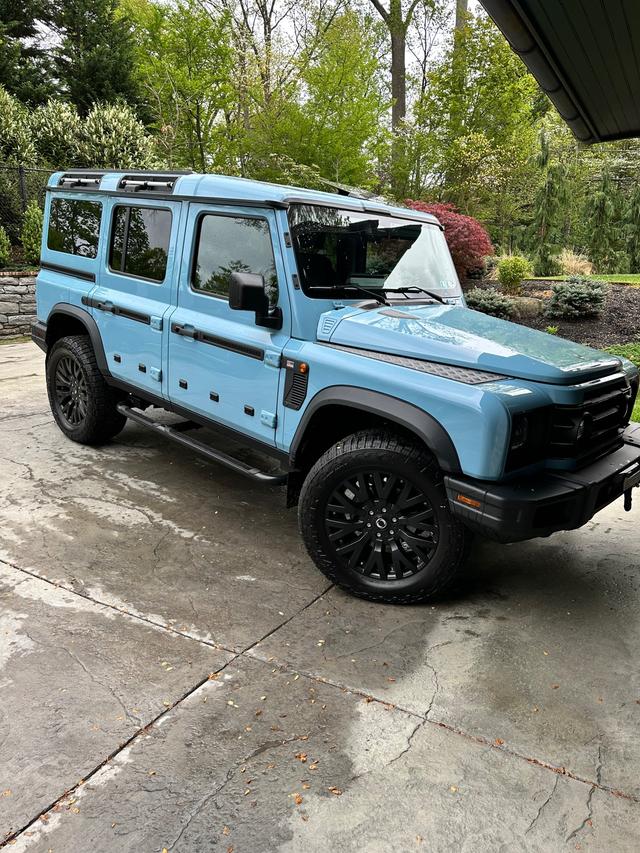
2024 INEOS Grenadier
Base • 3,300 miles
Ardmore, PA
$75,000

2024 INEOS Grenadier
Base • 4,200 miles
Bedford, VA
$74,000
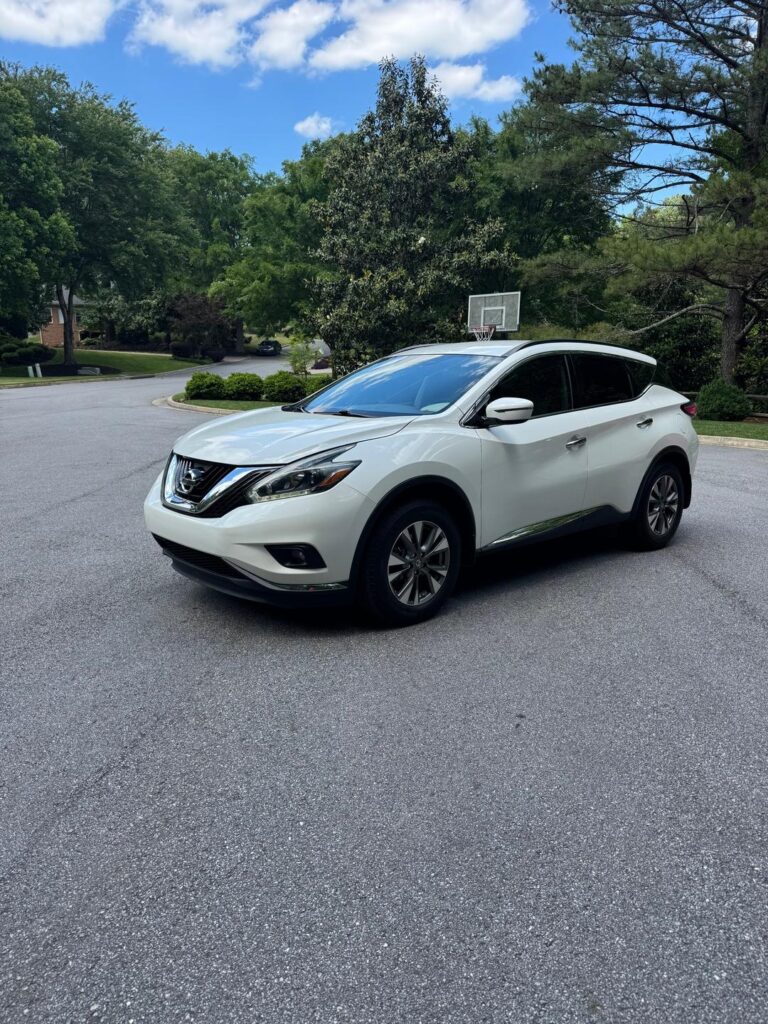
2018 Nissan Murano
Platinum • 78,500 miles
Atlanta, GA
$15,750
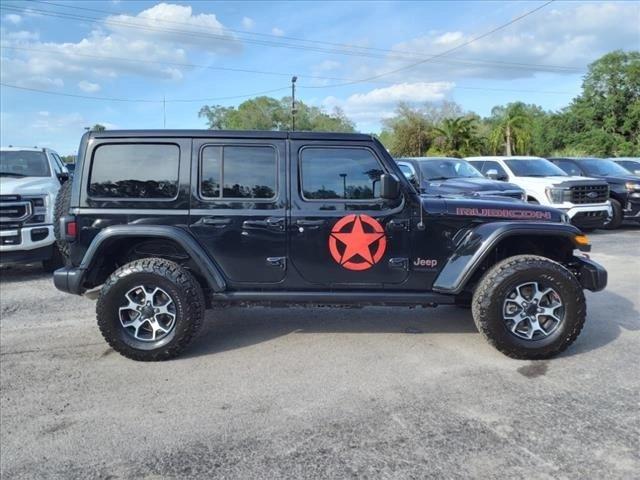
2022 Jeep Wrangler
Unlimited Ru • 41,235 miles
Ormond Beach, FL