


Selling a used car by owner can be a rewarding endeavor, but it requires careful planning and the right approach. One of the most important aspects of this process is ensuring that you have all the necessary legal paperwork in place. Without the proper documents, the sale could face delays, complications, or even legal issues. Understanding and preparing the essential paperwork not only protects you but also helps build trust with potential buyers, making for a smoother transaction.
The legal documents needed for selling a car can seem like a daunting pile of papers, but breaking it down step by step makes it much easier. From making sure the vehicle title is transferred correctly to filling out a bill of sale and understanding the role of a release of liability, each document serves a specific purpose. Here are the main documents you’ll need to complete the sale confidently and legally.
Vehicle Title
The vehicle title might be the single most important document in a car sale. It’s not just a piece of paper; it proves ownership of the vehicle and gives you the legal right to sell it. Transferring the vehicle title to the buyer is crucial to finalize the sale legally. Here’s a simple guide to help you do it correctly:
- Check the Current Title: Make sure the title is clear and has no liens against it. Any loans tied to the car must be paid off before the sale.
- Complete the Required Information: Fill out all necessary details in the designated sections, including the odometer reading and buyer’s information. Both you and the buyer must sign the title.
- Follow State Guidelines: Title requirements can vary slightly from state to state. Some states might require additional documentation or specific wording on the title. Check with your local Department of Motor Vehicles (DMV) for any particular instructions.
By carefully completing and transferring the vehicle title, you’ll ensure that the buyer legally becomes the new owner of the car. It protects you from future liability related to the vehicle and prevents potential disputes.
Bill of Sale
The bill of sale is another key document in the car selling process. Think of it as a receipt for the transaction, stating that the vehicle has been sold from you to the buyer. While its primary purpose is to record the completion of the sale, it also adds a layer of legal protection for both parties involved.
A well-crafted bill of sale should include the following:
– Date of sale
– Complete details of the buyer and seller
– Description of the vehicle (make, model, year, VIN)
– Sale price
– Any specific terms or conditions of the sale
Both parties should sign the bill of sale to signify their agreement. Some states make it mandatory, while in other places, it’s more a recommendation. Either way, having this document can be a lifesaver in case of disputes about the sale terms or ownership. Such proactive steps can lead to smoother selling experiences and maintain clarity between you and the buyer.
Release of Liability
A release of liability is an important document that protects you after selling your car. Once the buyer drives away, you want to ensure you’re not responsible for anything that happens with the vehicle. This form officially informs the DMV that you’re no longer the owner, so any issues with the car after the sale won’t come back to you.
Filling out this form is usually simple. You’ll need to provide:
– The vehicle identification number (VIN)
– Details about the car’s make, model, and year
– Information about the sale date
– The buyer’s contact details
Make sure you and the buyer sign it, then submit it to your local DMV. Some states allow this to be done online, while others may require mailing it or visiting in person. Completing this step promptly ensures you won’t be caught up in legal troubles if the buyer gets a parking ticket or is involved in an accident.
Odometer Disclosure Statement
An odometer disclosure statement is key for transparency in the sale. It tells the buyer exactly how many miles are on the car, which helps in determining the vehicle’s value and condition. Most states require this document by law for vehicles under a certain age, often 10 years.
Here’s what you need to do:
- Record the Mileage: Write down the exact mileage as shown on the odometer. It needs to be accurate to prevent misunderstanding.
- Use the Proper Form: Some states have specific forms for this, while others accept a statement on the title itself. Double-check with your DMV to be sure you’re using the correct one.
- Signature Requirement: Both you and the buyer need to sign off on this information to confirm its accuracy.
Wrapping Up the Sale
Selling a car by owner involves many steps, each with its own purpose. Getting each document right is how you ensure a smooth and legal process. Revisit each piece of paperwork and make sure there are no missing elements. Check if signatures are in place, especially on key documents like the title and bill of sale. Consider creating a checklist to keep track of everything from start to finish.
This preparation not only helps with organizing your sale but also builds trust, showing buyers you’re serious and well-informed. It turns what could be a complicated process into a simple, manageable task. When all these pieces fall into place, you can enjoy completing your car sale knowing everything is correctly handled.
Simplifying the steps of a used car sale by owner doesn’t have to be overwhelming. From preparing necessary paperwork to ensuring all details are in order, getting organized ensures a straightforward transaction. Ready to handle a used car sale by owner with confidence? Discover how PrivateAuto streamlines the process by providing a seamless platform for your selling journey. With the right support, selling doesn’t have to be stressful.
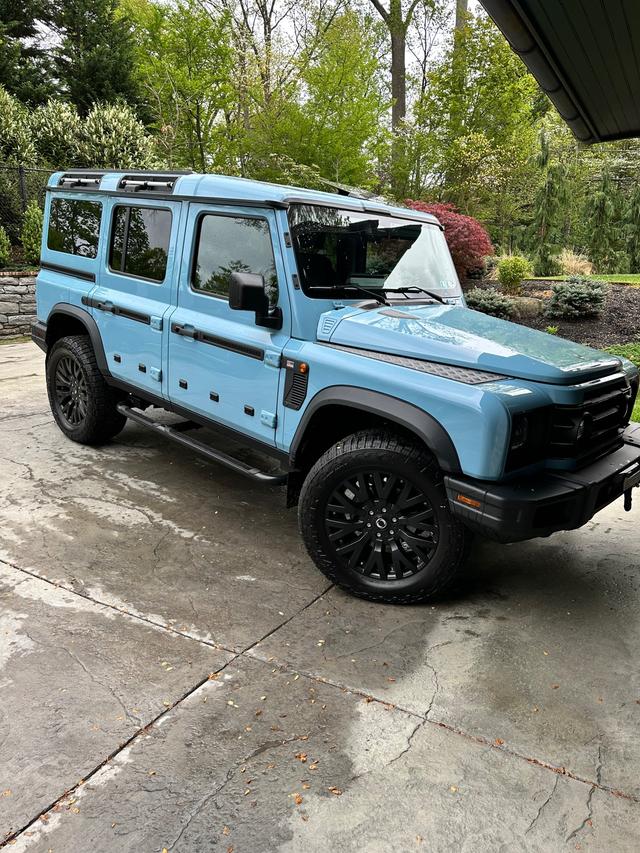
2024 INEOS Grenadier
Base • 3,300 miles
Ardmore, PA
$75,000

2024 INEOS Grenadier
Base • 4,200 miles
Bedford, VA
$74,000
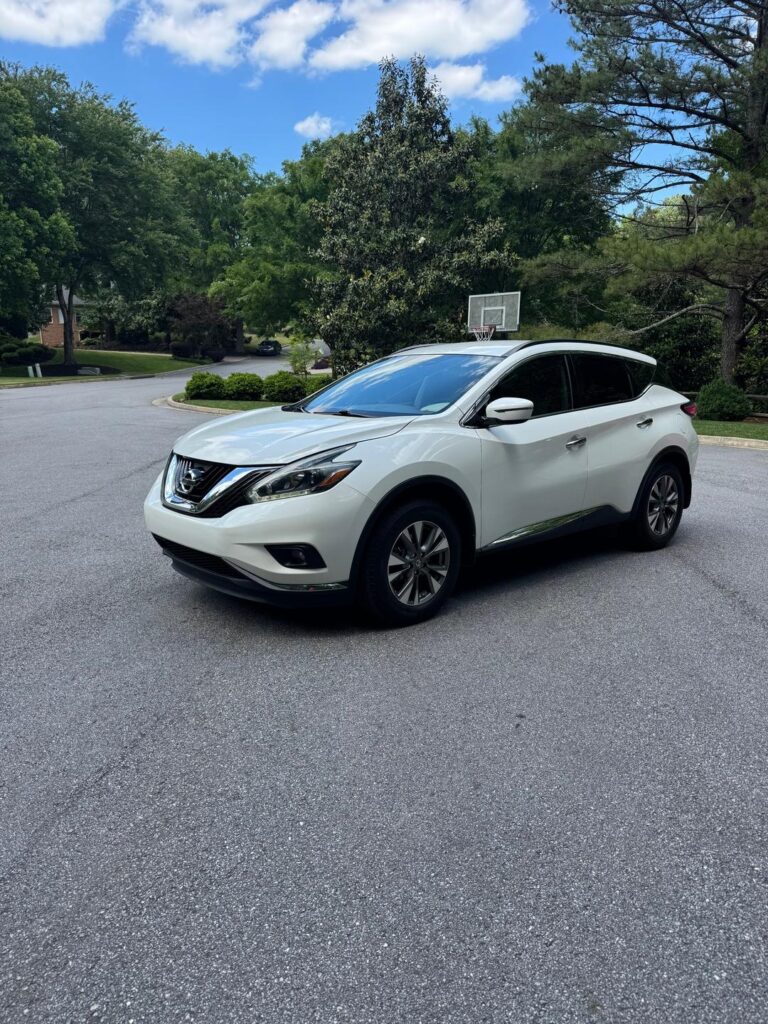
2018 Nissan Murano
Platinum • 78,500 miles
Atlanta, GA
$15,750
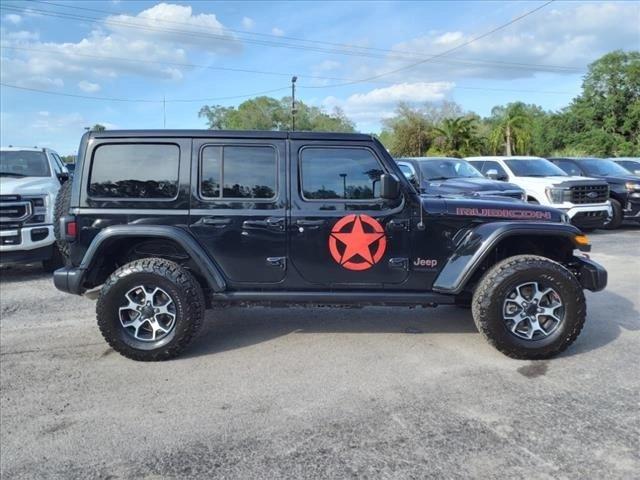
2022 Jeep Wrangler
Unlimited Ru • 41,235 miles
Ormond Beach, FL