


Buying or selling a car privately without ever meeting in person is completely possible, but it is not something to treat casually. When money, titles, and identities are all handled remotely, one mistake can cost thousands of dollars or even the whole vehicle. With a clear plan and the right tools, you can turn a risky deal into a calm, controlled process from your couch.
We will walk through how to set up a safe remote deal from start to finish. We will cover identity checks, secure payment for private car sales, remote inspections, title transfer, and the red flags that should make you walk away fast.
Turn a Risky Private Car Sale Into a Safe Remote Deal
More people now buy and sell cars across cities and states, often without a test drive or a face-to-face meetup. That convenience is great, but it also attracts scammers who know you can’t just swing by their driveway. When everything is remote, you must assume that any weak step is the one they will try to exploit.
A safe end-to-end remote sale has four pillars:
- Clear deal terms in writing
- Strong identity and vehicle verification
- Secure payment for private car sales
- Clean digital paperwork and title transfer
Modern tools help with each part. Identity-verified accounts, instant payments that do not expose bank info, and digital signing turn a shaky private deal into a structured process that protects both sides.
Prepare for a Remote Sale Like a Pro
Before money or titles come up, get the basics locked down. Both buyer and seller should agree in writing on the final price (and whether any deposits are involved), the VIN, mileage, and vehicle condition, and the exact location of the car along with who handles shipping. You should also confirm the lien status and who handles payoff if there is one, and clarify who pays taxes, registration, and tags.
Next, gather and digitize paperwork. If you are the seller, that usually includes:
- The title, or a payoff letter if there is a lien
- Maintenance and repair records
- A bill of sale template
- Any state-specific forms like emissions or safety reports
- A photo of your driver’s license with sensitive numbers covered if needed
Keep communication in channels that leave a clear trail, like in-app messaging or email. As a quick safety check, be careful about:
- Giving out your full home address too early
- Text-only chats that change to pressure-filled phone calls
- Sharing bank details or screenshots of account pages
During spring car-buying season, demand jumps as weather warms up and people plan road trips. That is also when scam attempts spike, so set clear timelines and stick to platforms that give you verifiable records of who said what and when.
Verify Identity and Vehicle Before You Send Money
In a remote deal, you never want to ask, “Who am I really dealing with?” after the money is gone. Start with the person, then the car.
For identity, make sure:
- The seller’s name matches the name on the title
- You see a clear photo ID that matches their face
- Contact info stays consistent across messages and documents
In-app identity verification is safer than trying to piece things together yourself from random screenshots. A platform that checks identity in the background, then ties that identity to the account, gives you much stronger protection than swapping photos over text.
For the vehicle, you want enough proof to confirm the car exists, matches the paperwork, and aligns with what you are being told. Ask for:
- Photos of the VIN plate and VIN sticker
- A clear shot of the odometer
- A photo of the front and back of the title
Run a vehicle history report using the VIN and watch for:
- Salvage or rebuilt brands
- Flood or total loss records
- Recent ownership changes that do not match the seller’s story
For a remote inspection, do not skip the actual look at the car. You can:
- Hire a trusted mobile inspector in the seller’s area
- Request a live video call with a cold start and full walkaround
- Get any promises in writing, such as “no accidents” or “no warning lights”
Strong identity checks and real vehicle verification are your best defense against curbstoners, fake sellers, and title fraud.
Use Secure Payment for Private Car Sales, Not Risky Workarounds
Payment is where many remote deals go off the rails. Some methods feel fast but are very risky with strangers:
- Cash shipped or carried long distance
- Zelle, Venmo, or similar apps for large transfers
- Gift cards or prepaid cards
- Money orders or cashier checks that can bounce or be fake
- Traditional wires sent to someone you do not truly know
A safer flow looks more like an online closing:
- Both parties agree on price and terms inside a secure system
- Funds move into a protected space or are verified as available
- Neither side needs to share account or routing numbers
- Once both confirm the conditions are met, the money releases to the seller instantly and a permanent record is created
Platforms built for secure payment for private car sales combine identity verification, instant transfers, and messaging into one place. That helps block fake payment screenshots, chargebacks, or “oops, my bank held it” stories.
For cross-state deals, planning ahead matters because timing and rules vary. In particular:
- Learn how your state handles sales tax and when it is due
- Match payment timing with the shipping pickup date
- Do not release the car or the title until payment is locked in and confirmed in the platform
Complete Title Transfer and Paperwork Without Meeting
A remote sale is only done when the title and paperwork are done correctly. Start by checking that:
- The seller on the title is the same person you verified
- The VIN on the title matches the VIN on the car
- There are no unknown liens listed
Then handle the transfer steps:
- The seller signs the title exactly as the name appears
- Any required odometer disclosure is completed
- Both sides sign a bill of sale with price, date, and VIN
Digital tools make this smoother. With e-signatures and in-app document workflows, you can:
- Sign bills of sale and “as-is” agreements remotely
- Keep every version stored in one place
- Reduce messy scans and lost documents
For the physical title, use tracked shipping or a trusted courier if you cannot hand it over in person. Keep proof of when it was sent and received.
Different states have different rules. Some buyers must register within a set number of days, some need emissions checks, and some have special rules for out-of-state titles. Before you move the car, check:
- Registration deadlines where the buyer lives
- Whether temporary tags are needed
- Any extra forms the buyer must bring to their DMV
Save everything, because documentation is what protects you later if there is a dispute. Keep digital copies of:
- IDs and identity confirmations
- Payment confirmations
- All signed documents
- Shipping or pickup receipts
Spot Fraud Red Flags Before It’s Too Late
Most bad deals throw off signals if you pay attention. Common signs include:
- A price far below similar cars with no clear reason
- A rushed story like “must sell today, long sad tale”
- Refusal to use any verified platform
- Pressure to send a deposit by gift card or plain wire
Digital tricks are also common, such as:
- Fake or reused inspection reports
- Edited photos of titles with mismatched fonts or shadows
- Spoofed payment emails that do not match the real system
- Buyers who “accidentally overpay” and ask for a refund before funds truly clear
Set hard rules and follow them consistently. If someone will not prove identity, will not share the VIN or a title photo, or insists on unsafe payments, walk away. No cheap price is worth losing your money, your car, or your personal data.
A platform with built-in identity checks, secure payment rails, and document tools cuts out many of these traps by design.
Lock in a Safer Remote Sale with the Right Tools
A safe remote deal is not about luck, it is about following the same steps every time:
- Verify the person
- Verify the car
- Use secure payment for private car sales
- Complete digital paperwork before the car or money moves
At PrivateAuto, we built our platform so regular people can do this without needing to be experts. With identity verification, instant payments, and digital paperwork in one place, buyers and sellers can finish a private car sale remotely with a clear record and a lot less stress, ready to enjoy those spring and summer miles.
Protect Your Money And Your Next Car Purchase
If you are buying or selling a vehicle privately, you should not have to worry about getting paid safely or on time. With PrivateAuto, you can use our secure payment for private car sales to move funds instantly and confidently between buyer and seller. We handle the hard parts in the background so you can focus on the vehicle and paperwork. If you have questions about getting started, just contact us and we will walk you through it.
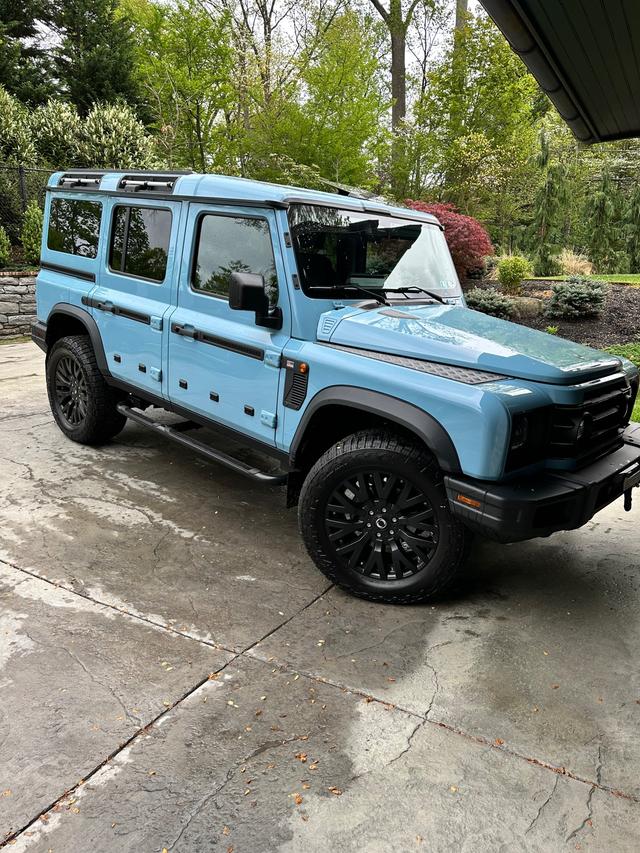
2024 INEOS Grenadier
Base • 3,300 miles
Ardmore, PA
$75,000

2024 INEOS Grenadier
Base • 4,200 miles
Bedford, VA
$74,000
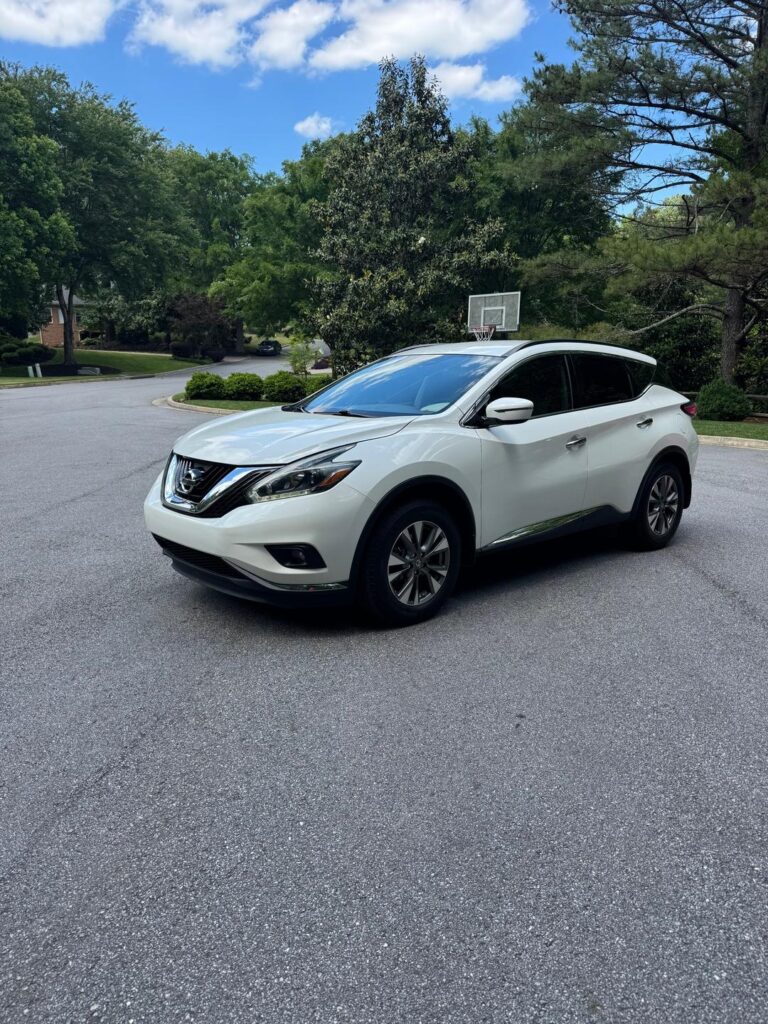
2018 Nissan Murano
Platinum • 78,500 miles
Atlanta, GA
$15,750
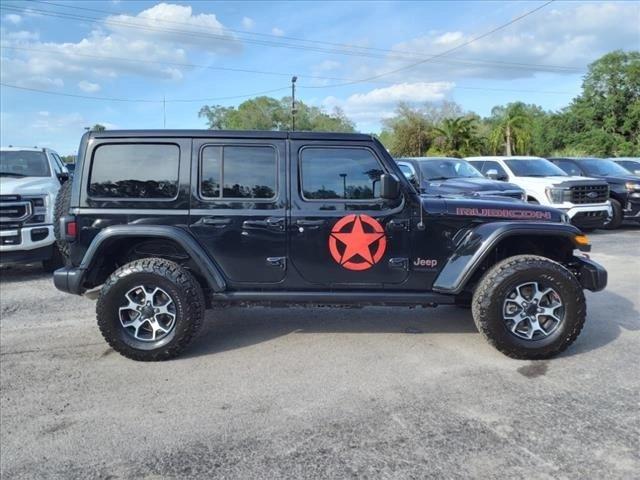
2022 Jeep Wrangler
Unlimited Ru • 41,235 miles
Ormond Beach, FL